A thigh lift removes loose, excess skin and fat from the thighs to create a firmer, smoother contour. It is most commonly requested after significant weight loss or when skin laxity on the inner thighs causes discomfort, chafing or difficulty with clothing.
Price: From £12,000 · Consultation £150, charged separately · Full price list
What is a thigh lift?
A thigh lift, sometimes called thigh reduction or thighplasty, is an operation to remove skin that has lost its elasticity and tighten the remaining tissue. It is different from liposuction, which removes fat but does not remove skin. Loose thigh skin often follows major weight loss, pregnancy-related changes or ageing, and does not improve with exercise. The procedure involves scars, and their position depends on which part of the thigh is treated.
Who is a thigh lift suitable for?
A thigh lift may be suitable for adults aged 18 and over who have loose skin on the inner or outer thighs, have been at a stable weight for some months, are in good general health, and are non-smokers or willing to stop. It is not a weight-loss operation. If you are still losing weight, Mr Nassab will usually advise waiting until your weight has plateaued, as further loss may bring back laxity. Where the main issue is fat with firm skin, liposuction may be the better option.
Techniques
- Medial (inner) thigh lift: the scar sits in the groin crease. This treats mild to moderate laxity of the upper inner thigh.
- Vertical inner thigh lift: the scar runs down the inner thigh, sometimes towards the knee, and may be combined with a groin scar. It allows more skin to be removed and suits significant laxity after major weight loss.
- Outer thigh lift: loose skin on the outer thighs is often treated as part of a lower body lift, with scars around the hips and lower back.
- Liposuction: is frequently used together with skin removal to reduce fat and refine the shape.
Mr Nassab will examine you standing, discuss the likely scar pattern and agree a plan that balances the improvement against the length of the scar.
What happens on the day
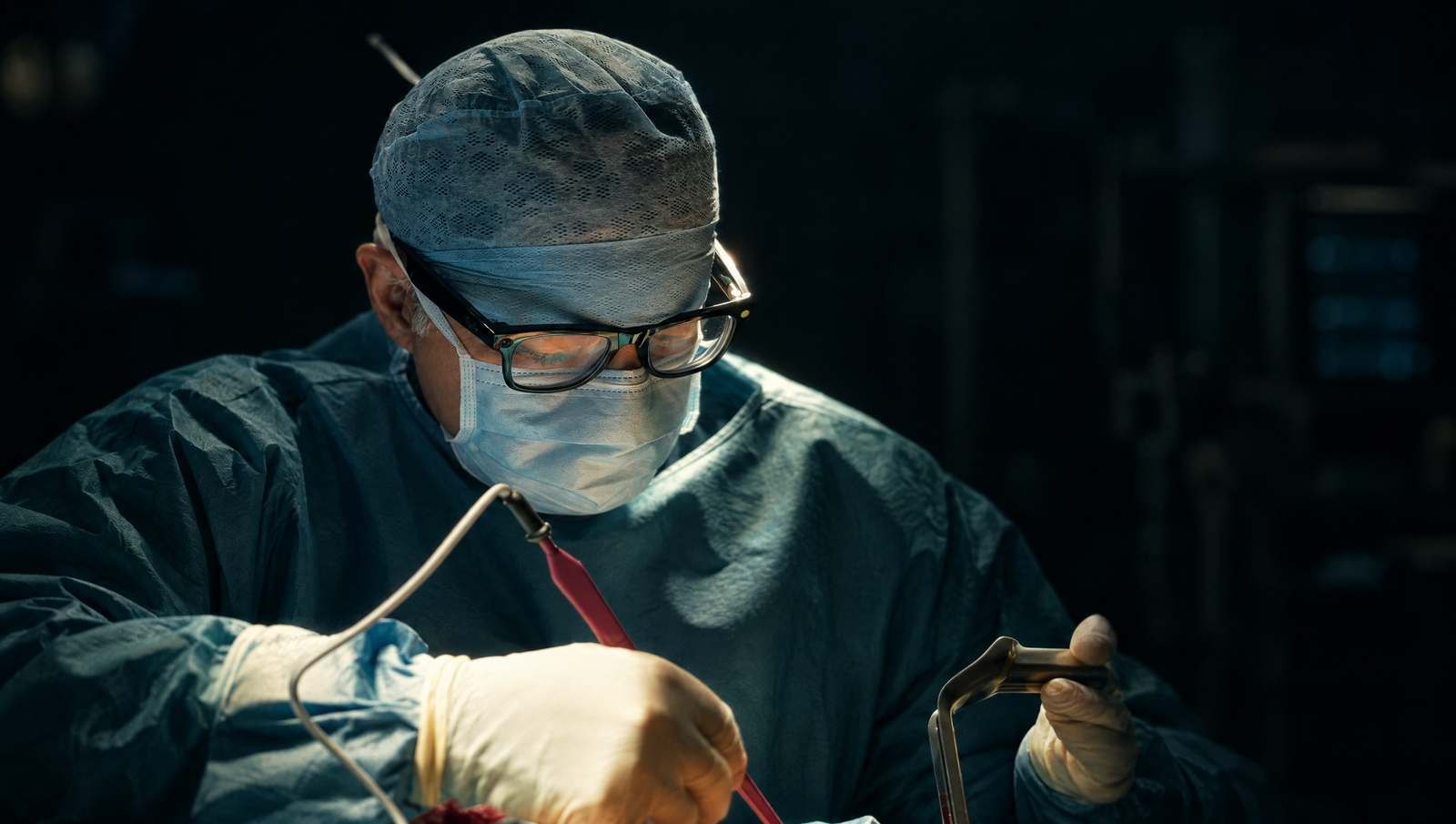
Thigh lift surgery is performed under general anaesthetic and usually takes two to four hours, depending on the technique. You will be marked standing, meet the anaesthetist and complete consent. Many patients stay one night in hospital. You will wake with dressings and a compression garment, and sometimes drains. Measures to reduce the risk of blood clots, such as compression stockings, calf pumps and early walking, are used. You will need someone to take you home and support you for the first days.
Recovery timeline
- First week: swelling, bruising and tightness are expected. Short walks are encouraged, but avoid long periods sitting with the legs apart and keep wounds clean and dry.
- Weeks 1–3: wound checks and dressing changes. Many people return to desk work after two to three weeks.
- Weeks 3–6: compression garments are usually worn for around six weeks. Avoid strenuous exercise, swimming until wounds have healed and activities that stretch the groin.
- Weeks 6–8: gradual return to exercise as advised at your review.
- 6–18 months: swelling settles and scars mature, usually becoming flatter and paler.
These timings are typical and your own recovery may be quicker or slower.
Risks and possible complications
Wound healing problems are more common with thigh lifts than with many other procedures, because the groin area is subject to movement and moisture. Other risks include infection, bleeding, haematoma, seroma, stretched or thickened scars, scars migrating downwards, asymmetry, contour irregularity, distortion of the vulval area if the groin scar pulls, prolonged leg swelling, and altered skin sensation. General risks include anaesthetic reactions and blood clots. Seek same-day advice for a painful, swollen calf and call 999 for chest pain or sudden breathlessness.
Results and cost
A thigh lift aims to give smoother, firmer thighs and can reduce chafing and make clothing more comfortable. Results are long-lasting provided your weight stays stable, although natural ageing continues. It can take several months for swelling to resolve and the final shape to show. Thigh lift surgery with Mr Nassab costs from £12,000. Your quote depends on the technique and extent of surgery, and will be confirmed after consultation. The consultation fee of £150 is separate.
Why choose Mr Nassab
Mr Reza Nassab FRCS (Plast) is a Consultant Plastic Surgeon on the GMC Specialist Register for Plastic Surgery (GMC 4704243). He is a Council member of the British Association of Aesthetic Plastic Surgeons (BAAPS) and Chair of the ISAPS Social Media Working Group, and consults in Manchester, Knutsford (Cheshire) and London. He will assess you in person, be clear about the scars involved, and advise whether a thigh lift, liposuction or no surgery is the most appropriate choice for you.
Frequently Asked Questions
Where are thigh lift scars?
For a limited inner thigh lift the scar sits in the groin crease. For more extensive laxity a vertical scar runs down the inner thigh. Mr Nassab will show you where your scars are likely to be.
Is a thigh lift painful?
Most people describe tightness and discomfort rather than severe pain, which is usually managed with prescribed and simple painkillers for the first week or two.
How long before I can sit normally?
You can sit from the first day, but sitting for long periods and positions that stretch the groin should be limited for the first few weeks to protect the wounds.
Can I have a thigh lift after bariatric surgery?
Yes, many patients seek a thigh lift after weight-loss surgery. It is best done once your weight has been stable for some months and your nutrition is good.
Will liposuction tighten loose thigh skin?
Liposuction removes fat but does not remove loose skin. If skin laxity is the main concern, skin excision is usually needed.