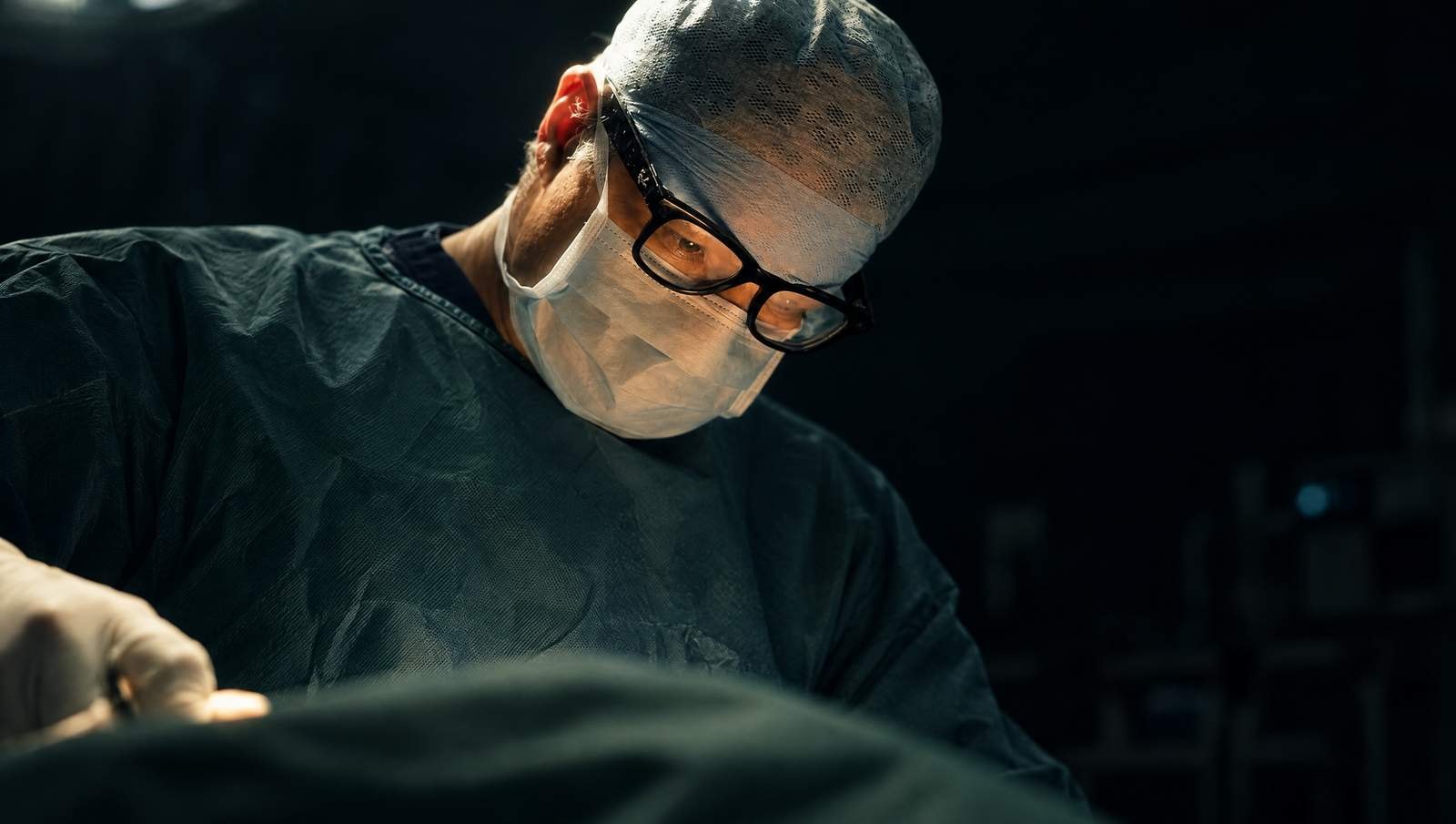
Gynaecomastia surgery, also called male breast reduction, removes excess glandular tissue and fat from the male chest to create a flatter, firmer contour. Depending on what is causing the fullness, Mr Nassab may use liposuction, excision of the firm gland behind the nipple, or a combination of the two.
Price: From £9,500 · Consultation £150, charged separately · Full price list
What is gynaecomastia?
Gynaecomastia is enlargement of the breast tissue in males. It is common and can affect one or both sides. It is useful to separate two things that often look similar: true gynaecomastia, where there is firm glandular tissue behind the nipple, and pseudogynaecomastia, where the fullness is mainly fat. Most men seen for surgery have a mixture of both. Common contributing factors include hormonal changes during puberty that do not settle, weight gain, ageing, some prescribed medicines, anabolic steroid use, cannabis and alcohol use, and, less commonly, underlying medical conditions affecting the liver, kidneys, thyroid or testes. In many adults no single cause is found. See your GP promptly if you notice a hard or fixed lump, swelling on one side only that is growing, nipple discharge or bleeding, skin dimpling, or any lump in a testicle. These symptoms need medical assessment before any cosmetic treatment is considered.
Who is gynaecomastia surgery suitable for?
Surgery may be suitable for men aged 18 and over whose chest fullness has been present for some time and has not improved with weight stabilisation or stopping any contributing substances. Good candidates are generally in good health, non-smokers or willing to stop, close to a stable weight, and have realistic expectations. Where gynaecomastia has come on recently, Mr Nassab may suggest a period of observation, a review of medicines with your GP, or blood tests before planning surgery. For men who are carrying significant excess weight, losing weight first usually gives a better and more predictable result.
Techniques
- Liposuction: fine cannulas inserted through small incisions remove fatty tissue and help sculpt the chest and the edge of the chest towards the armpit. Liposuction alone suits men whose fullness is mainly fat.
- Gland excision: firm glandular tissue does not respond well to liposuction, so it is removed directly through a small incision at the lower edge of the areola, where the scar usually settles well.
- Combined approach: most patients benefit from liposuction to contour the surrounding chest together with direct removal of the gland behind the nipple.
- Skin reduction: where there is significant loose skin, for example after major weight loss, a skin excision may be needed. This leaves longer scars and is discussed in detail at consultation.
Mr Nassab will examine your chest, assess the balance of gland, fat and skin, and recommend the approach he considers most appropriate for your anatomy.
What happens on the day
Gynaecomastia surgery is usually carried out under general anaesthetic as a day case or with one overnight stay, depending on the extent of surgery. You will meet Mr Nassab and the anaesthetist, the chest will be marked while you are standing, and you will sign the consent form. The operation commonly takes one to two hours. Small drains are sometimes used. You will wake up wearing a compression vest, which helps control swelling and supports the tissues as they settle. You will need someone to drive you home and stay with you for the first night.
Recovery timeline
- First few days: the chest feels tight, bruised and swollen. Simple painkillers are usually enough. Walking gently around the house from the first day is encouraged.
- Week 1: a wound check and dressing change. Many men with desk-based jobs return to work after about one week.
- Weeks 1–6: the compression vest is usually worn day and night for around six weeks. Avoid heavy lifting, upper-body gym work and contact sports during this time.
- Weeks 6–8: a gradual return to full exercise, guided by your review appointments.
- 3–6 months: swelling continues to settle and the chest contour gradually refines. Scars may take a year or more to fade.
Everyone heals differently, and these timings are typical rather than fixed.
Risks and possible complications
All surgery carries risk. Specific risks of gynaecomastia surgery include bleeding and haematoma (a collection of blood that may need a return to theatre), seroma (fluid collection), infection, altered or reduced nipple sensation, contour irregularity or a ‘dished’ appearance if too much tissue is removed, residual fullness, asymmetry between sides, visible or thickened scars, and changes in skin pigmentation. General risks include reactions to anaesthetic and blood clots in the legs or lungs. Call 999 if you develop chest pain or sudden breathlessness after surgery, and seek same-day advice (your surgical team, GP or NHS 111) for a painful, swollen calf. Mr Nassab will discuss these risks in full so that you can make an informed decision.
Results and cost
Surgery aims to give a flatter, more masculine chest contour and can improve how clothes fit. Removed gland does not generally regrow, but significant weight gain, anabolic steroid use or some medicines can cause fullness to return. The final result is usually assessed at around six months. Because gynaecomastia varies so much between patients, surgery costs from £9,500, and your individual price is confirmed once Mr Nassab has examined you and agreed a surgical plan. Your written quote will set out exactly what is included. The consultation fee of £150 is separate.
Why choose Mr Nassab
Mr Reza Nassab FRCS (Plast) is a Consultant Plastic Surgeon on the GMC Specialist Register for Plastic Surgery (GMC 4704243). He is a Council member of the British Association of Aesthetic Plastic Surgeons (BAAPS) and Chair of the ISAPS Social Media Working Group, and consults in Manchester, Knutsford (Cheshire) and London. Gynaecomastia surgery forms part of his breast and body contouring practice. You will see Mr Nassab at your consultation, and he will give you an honest opinion on whether surgery is right for you.
Frequently Asked Questions
Will gynaecomastia go away on its own?
Gynaecomastia that develops during puberty often settles over time. In adults it may improve if a cause such as a medicine or weight gain is addressed, but longstanding glandular tissue usually does not resolve without surgery.
Is liposuction alone enough for gynaecomastia?
Liposuction can be enough when the fullness is mainly fat. Where there is firm gland behind the nipple, this generally needs to be removed directly for a flat result.
Where are the scars?
Liposuction scars are a few millimetres long and placed discreetly. Gland excision is usually done through an incision along the lower edge of the areola, which tends to blend with the natural colour change.
When can you go back to the gym?
Gentle walking is encouraged straight away. Most men return to lower-body and cardiovascular exercise after a few weeks and full upper-body training at around six to eight weeks, depending on healing.
Can gynaecomastia come back after surgery?
Removed tissue does not usually return, but remaining tissue can enlarge with weight gain, anabolic steroid use or certain medicines, so keeping a stable weight and avoiding these factors helps maintain the result.