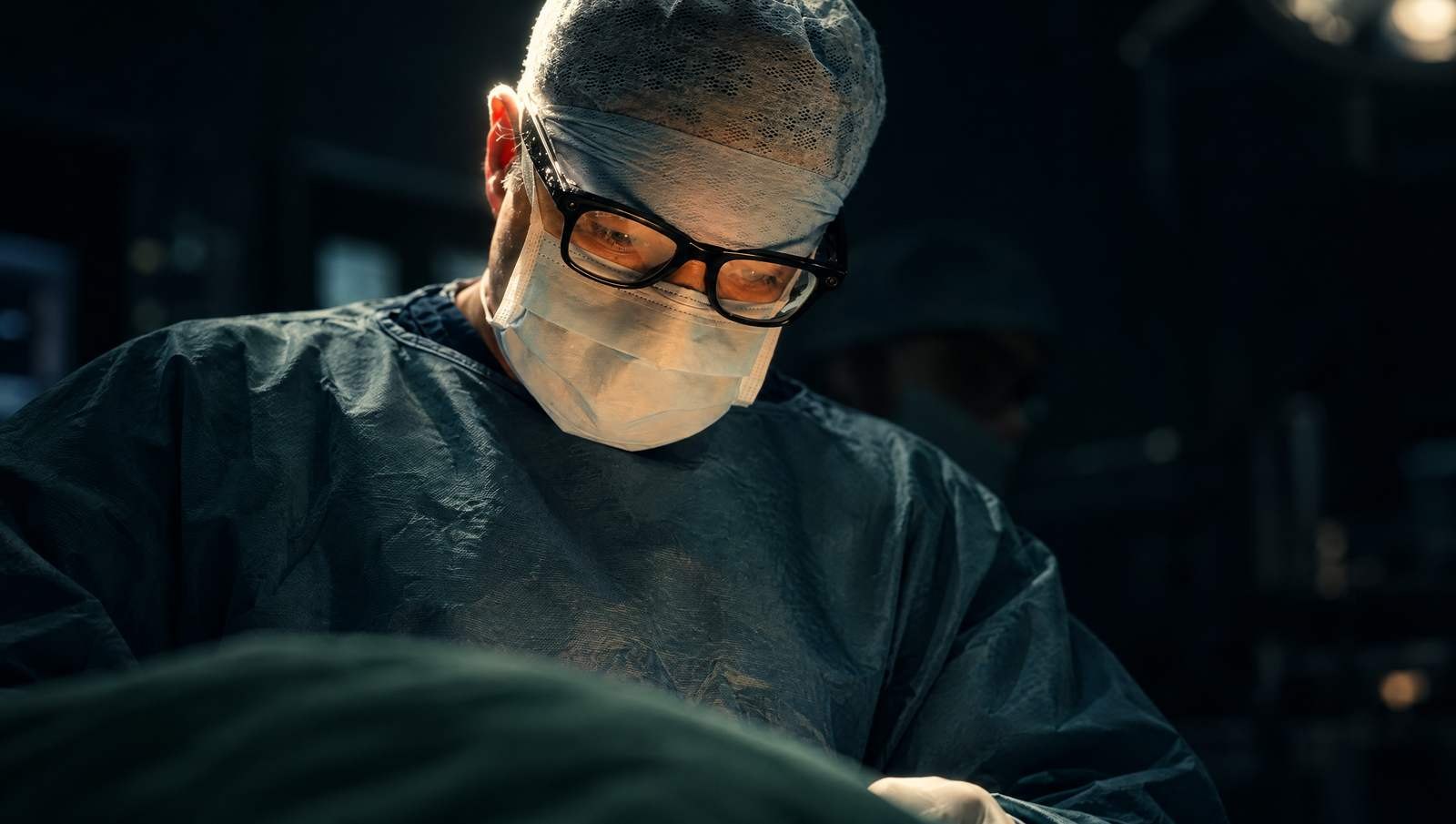
Fat transfer breast augmentation uses liposuction to take fat from areas such as the tummy or thighs and injects it into the breasts. It can give a soft, natural-feeling, modest increase in size without implants, although not all of the transferred fat survives and more than one session may be needed.
Price: From £12,500 · Consultation £150, charged separately · Full price list
What is fat transfer breast augmentation?
Also known as fat grafting or autologous fat transfer, this procedure combines two steps: liposuction to harvest fat from a donor area, and careful injection of purified fat into the breast in small amounts. Because the fat is your own tissue, there is no implant and no implant-related long-term maintenance. The main limitations are that the increase in size is modest compared with implants, and the proportion of fat that survives varies from person to person and cannot be predicted precisely.
Who is it suitable for?
Fat transfer may be suitable for adult women aged 18 and over who:
- Want a modest increase: in fullness or shape rather than a large change in cup size.
- Have enough spare fat: in donor areas such as the abdomen, flanks or thighs. Very slim patients may not have enough.
- Prefer to avoid implants: or wish to have implants removed and replaced with a natural option.
- Want to correct asymmetry: or contour irregularities, including after previous surgery.
It is less suitable for women who want a significant size increase, or who have a strong family history of breast cancer, a history of breast cancer, or significant breast sagging, in which case a lift or implant may be discussed. Mr Nassab will review your breast health and screening history at consultation.
Techniques
- Harvesting: fat is removed with gentle liposuction through small incisions, and the donor area can be contoured at the same time.
- Processing: the fat is prepared to separate healthy fat cells from fluid and oil.
- Grafting: the fat is injected through tiny incisions in multiple thin layers throughout the breast, which gives each graft the best chance of establishing a blood supply.
- Composite or hybrid augmentation: fat can be combined with a smaller implant to soften the edges and improve coverage in slim patients.
- Staged treatment: because some fat is reabsorbed, a second session some months later may be recommended to build further volume.
What happens on the day
The procedure is usually performed under general anaesthetic as a day case, typically taking two to three hours. You will be marked standing, with the donor areas and the planned breast shape agreed. Afterwards you will wear a compression garment on the donor area and a soft supportive bra. It is important not to put pressure on the breasts in the early weeks, as this can reduce fat survival. You will need someone to take you home.
Recovery timeline
- First week: the donor area is usually the more uncomfortable site, with bruising and swelling. The breasts may feel swollen and tender.
- Weeks 1–2: many people return to desk work after about one to two weeks.
- Weeks 2–6: compression is usually worn on the donor area for several weeks. Avoid strenuous exercise, underwired bras and sleeping on your front.
- 3–6 months: initial swelling subsides and some fat is reabsorbed. The breast volume that remains at around six months is generally considered stable.
Timings are typical and vary between individuals.
Risks and mammogram considerations
Specific risks include loss of some or much of the transferred fat, asymmetry, oil cysts, fat necrosis (firm lumps where fat has not survived), calcifications, infection, and contour irregularity or dimpling at the donor site. General risks include bruising, bleeding, anaesthetic reactions and, rarely, blood clots or fat embolism. Fat necrosis and calcifications can show up on mammograms and occasionally need further imaging or a biopsy to confirm they are harmless. Experienced breast radiologists can usually distinguish these changes, but you should always tell the breast screening team that you have had fat grafting. Mr Nassab may advise baseline breast imaging before surgery depending on your age and history. If you notice a new breast lump at any time, see your GP promptly rather than assuming it is related to fat transfer.
Results and cost
Fat transfer aims to give a soft, natural feel and a modest improvement in shape and volume, with the added benefit of contouring the donor area. Surviving fat behaves like other body fat, so breast size can change with weight gain or loss. Because the plan depends on the donor areas, the number of sessions and whether an implant is combined, fat transfer breast augmentation costs from £12,500, with your individual price confirmed at consultation. The consultation fee of £150 is separate.
Why choose Mr Nassab
Mr Reza Nassab FRCS (Plast) is a Consultant Plastic Surgeon on the GMC Specialist Register for Plastic Surgery (GMC 4704243). He is a Council member of the British Association of Aesthetic Plastic Surgeons (BAAPS) and Chair of the ISAPS Social Media Working Group, and consults in Manchester, Knutsford (Cheshire) and London. Breast surgery is a core part of his practice, and he will give you a balanced view of fat transfer compared with implant-based options so you can choose what suits your goals.
Frequently Asked Questions
How much bigger can fat transfer make my breasts?
The increase is modest and depends on how much fat you have available and how much survives. It is best suited to women wanting a subtle change rather than a large increase.
Does all the fat survive?
No. A proportion of the transferred fat is reabsorbed in the first few months, and this varies between individuals. A further session may be offered if more volume is wanted.
Will fat transfer affect my mammograms?
It can cause small calcifications or cysts that appear on imaging. These are usually recognisable as benign, but always tell your screening team you have had fat grafting.
Can fat transfer replace breast implants?
For some women having implants removed, fat transfer can restore some volume, though usually less than the implant provided. Mr Nassab will discuss whether this suits you.
Is the result permanent?
Fat that survives after around six months usually remains, but it will change with weight fluctuations and natural ageing, like the rest of the breast.