




Generic selectors
Exact matches only
Search in title
Search in content
Post Type Selectors

|

Manchester | Cheshire

Latest News

Hybrid breast augmentation has emerged as one of the most exciting developments in aesthetic breast surgery. This innovative technique—also known as a hybrid boob job, composite breast augmen...

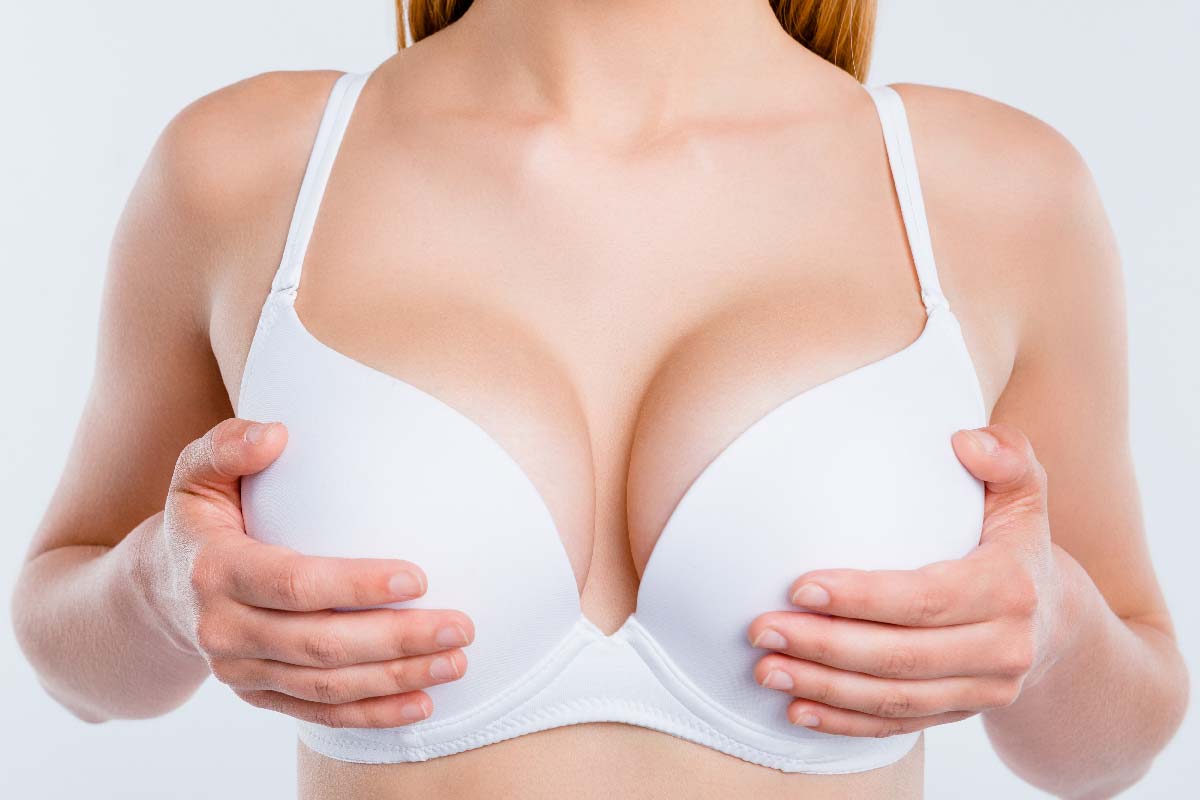
Hybrid breast augmentation has emerged as one of the most exciting developments in aesthetic breast surgery. This innovative technique—also known as a hybrid boob job, composite breast augmentation, or breast implants with fat transfer—combines traditional breast implants with the patient’s own fat to create results that are natural, long-lasting, and beautifully tailored to an individual’s body. Whether you are considering hybrid breast augmentation for a subtle boost in volume, a more refined breast shape, or to address issues like rippling and contour irregularities, this approach may offer the ideal solution. We will explore what hybrid breast augmentation involves, how it differs from traditional methods, the potential benefits and risks, what to expect from the procedure and recovery, and the current scientific literature informing its practice.

What Is Hybrid Breast Augmentation?

Hybrid breast augmentation involves the strategic combination of breast implants and fat transfer—sometimes colloquially referred to as “fat transfer boobs” or a “hybrid boob job.” During this procedure, a surgeon places a silicone breast implant to provide the core volume, projection, and support. Following implant placement, the surgeon performs a fat grafting procedure, harvesting the patient’s own fat cells, usually from areas such as the abdomen, thighs, or flanks, through gentle liposuction techniques. The harvested fat is then purified and meticulously injected around the implant to soften the edges, enhance cleavage, correct asymmetry, and create a more natural look and feel.

This composite approach is designed to address the shortcomings of using only implants or only fat transfer. On one hand, implants provide reliable volume and shape; on the other, fat transfer allows for fine-tuning, improving contour, and achieving a more natural transition between the breast and the chest wall. Overall, hybrid breast augmentation aims to deliver results that feel as good as they look, offering more personalised outcomes.

Why Consider a Hybrid Boob Job?

For many patients, a conventional breast augmentation using implants alone may not deliver the nuanced shape or feel they desire. Some individuals have thin breast tissue or minimal subcutaneous fat, which can leave the edges of an implant more palpable or visible, especially in the upper pole of the breast. In these cases, adding a layer of fat over and around the implant not only enhances the aesthetic result but can make the breast feel softer and more natural. This helps reduce the rippling that is sometimes visible in slimmer patients.

Patients who opt for hybrid breast augmentation often do so for reasons such as:

1. Achieving a More Natural Appearance: The addition of fat grafting provides a subtle, natural contour, reducing the risk of the obvious “implanted” look.

2. Improved Cleavage and Contour: Fat transfer can add fullness to areas the implant alone may not adequately address, such as increasing fullness in the cleavage area or smoothing out irregularities.

3. Better Camouflage of Implant Edges: Especially in those with thin soft tissue coverage, added fat helps disguise the implant edges, minimising the risk of visible or palpable implant margins. This is a helpful technique to reduce visible rippling of the implants.

4. Addressing Asymmetry: Fat can be added in small, precise amounts to correct slight differences in breast shape or volume, resulting in more symmetrical outcomes.

5. Enhanced Feel: Fat is inherently soft and malleable, potentially improving how the breasts feel to the touch post-surgery.

The Scientific Evidence Behind Hybrid Breast Augmentation

Medical literature increasingly supports the efficacy and safety of hybrid breast augmentation. According to a comparative study published by Li et al. (2024) in Plastic and Reconstructive Surgery, which included over 900 cases, hybrid breast augmentation can offer an excellent balance of benefits. The study, “Hybrid Breast Augmentation: Double Benefit or Double Risk? A Comparative Study of 932 Cases” (Li Z, Zhang Z, Zhang Z, Guan X, Xin M. Plast Reconstr Surg. 2024 Feb 1;153(2):325-335), suggests that patients who underwent hybrid augmentation reported high satisfaction rates, with improvements in shape, feel, and overall aesthetic outcome.

Similarly, Maione and colleagues (2018) discussed the concept of adding fat grafts in combination with round implants to achieve refined breast reshaping. In their publication, “Fat Graft in Composite Breast Augmentation with Round Implants: A New Concept for Breast Reshaping” (Aesthetic Plast Surg. 2018 Dec;42(6):1465-1471), they reported that the hybrid technique allowed for a more sculpted, individualised contour.

Sforza and Spear (2021) commented on the potential for hybrid techniques to pave a path towards a future with less reliance on traditional silicone implants alone. While no method is without risks, they suggest that incorporating fat grafting can help reduce some implant-related concerns.

Furthermore, Auclair, Blondeel, and Del Vecchio (2013) provided insights into soft-tissue planning with implants and fat, emphasising that careful planning is crucial for optimal results. By thoughtfully selecting implant size and precisely placing fat, surgeons can achieve a stable, aesthetically pleasing breast shape that stands the test of time.

Who Is a Suitable Candidate for a Hybrid Breast Augmentation?

A hybrid boob job is not for everyone, but it can be particularly beneficial for patients who:

• Have thin natural breast tissue and worry that implants might look or feel unnatural.

• Seek a more nuanced result than what a single technique can offer.

• Want to improve their cleavage or achieve a more customised shape.

• Have asymmetries that cannot be corrected by implants alone.

• Wish to avoid large implants yet still desire a noticeable improvement in volume and contour.

Typically, candidates should be in good general health, non-smokers, and have realistic expectations. We will guide you through a thorough assessment, discussing your goals, lifestyle, and anatomical considerations to determine whether hybrid breast augmentation is the right approach. We will need to have some areas of fat to harvest and so in very slim patients this may limit the amount of fat available.

Choosing the Right Implant and Fat Volume

One of the key strengths of hybrid breast augmentation is the flexibility it offers. We can choose an implant size and profile that provides the structure you need—whether you are aiming for subtle enhancement or a more dramatic transformation. The addition of fat transfer allows precise sculpting.

Implant Choice: Implants come in various sizes, shapes, and profiles—round or teardrop (anatomical), high projection or moderate projection. We will advise on an implant that best suits your body proportions and desired outcome. The implant serves as the “foundation,” providing predictable volume and shaping.

Fat Harvesting and Transfer: We typically harvests fat from areas where you have excess—often the abdomen, flanks, or thighs. This is performed using specialised liposuction techniques designed to preserve fat cell viability. Once processed, the fat is injected into strategic areas of the breast. The amount of fat needed varies; sometimes only a small volume is required to soften contours, while in other cases more significant fat grafting is performed. It is essential to understand that not all the transferred fat will survive. Over time, some may be reabsorbed by the body. However, the remaining fat that “takes” is generally long-lasting and will age naturally with the body.

The Procedure Step-by-Step

1. Consultation: Your journey begins with an in-depth consultation, where you’ll discuss your aesthetic goals, medical history, and lifestyle. High-resolution 3D imaging may be used to help visualise potential outcomes. We will guide you through implant options, fat donor sites, and expected results.

2. Anaesthesia: On the day of surgery, you will be given either general anaesthesia ensuring you remain comfortable throughout.

3. Implant Placement: We make a carefully planned incision in the inframammary fold (under the breast) and creates a pocket for the implant, placing it beneath the breast tissue or the pectoral muscle (or dual plane). The implant is then positioned and assessed for symmetry.

4. Fat Harvesting: Next, we perform liposuction to harvest fat from donor sites. The extracted fat is processed to remove impurities, ensuring a high concentration of healthy fat cells ready for transplantation.

5. Fat Injection: Using fine cannulas, we carefully inject the purified fat into the breast tissue and around the implant. This step requires a keen aesthetic eye and technical precision to create the desired contour, improve cleavage, and achieve a soft, natural look.

6. Closing the Incisions: The incisions are closed with sutures, and dressings are applied. A supportive surgical bra may be provided to promote proper healing and maintain the new shape.

Recovery and Aftercare

Recovery after hybrid breast augmentation is similar to a standard breast augmentation with a few additional considerations for the fat-grafted areas. Most patients can expect:

• Initial Discomfort and Swelling: It’s normal to experience bruising, swelling, and mild to moderate discomfort. We will prescribe pain medication to help manage any post-operative pain. Swelling in the breasts and liposuction donor areas may persist for a few weeks.

• Downtime: Many patients take about one to two weeks off work and normal daily activities. Strenuous exercise and heavy lifting should be avoided for at least six weeks to ensure proper healing.

• Garments and Bras: We recommend wearing a supportive surgical bra and compression garments for the donor liposuction sites. These help support healing tissues and maintain proper shape.

• Follow-up Appointments: You will need to attend follow-up visits to ensure everything is healing well. Over time, as swelling subsides, you’ll see the final contours emerge.

Long-Term Results: Once fully healed, hybrid breast augmentation results tend to look and feel very natural. The transferred fat that remains is permanent, while the implant provides stable volume. As you age, your breasts will mature naturally, and if desired, implant exchanges or further refinements can be performed in the future.

Potential Risks and Complications

As with any surgical procedure, hybrid breast augmentation carries certain risks. These may include:

• Infection: Although rare, infection can occur. Proper surgical technique and following postoperative instructions reduce this risk.

• Implant-Related Complications: Issues such as capsular contracture (excessive scar tissue around the implant), implant rupture, or implant malposition can occur over time.

• Fat Reabsorption: Some of the transferred fat will be reabsorbed by the body. While this is normal, it means that not all of the initial volume may remain.

• Contour Irregularities or Asymmetry: Precise technique is required to achieve symmetry. Minor adjustments may be needed later.

• Anaesthesia Risks: Modern anaesthesia is generally safe, but all procedures carry a small risk of anaesthesia-related complications.

Published studies, like those of Li et al. (2024) and Maione et al. (2018), indicate that, when performed by experienced surgeons, hybrid augmentation can have a high level of patient satisfaction and a low rate of significant complications.

Comparing Hybrid Breast Augmentation with Other Techniques

Hybrid vs. Implant-Only Augmentation: Traditional breast augmentation with implants alone is a well-established procedure. However, patients with thin tissues or those who desire a more nuanced contour may find implants alone insufficient. The hybrid approach helps camouflage the implant, provides softer contours, and can fine-tune shape in ways implant-only surgery cannot.

Hybrid vs. Fat Transfer-Only Augmentation: Using fat transfer alone can achieve a modest increase in breast volume and improve shape without any foreign material. However, large volume changes may not be possible with fat alone, especially for patients seeking a more significant enhancement. The implant provides the stable, reliable volume, and fat refines the result. For many, the hybrid approach combines the best of both worlds.

Hybrid vs. Non-Surgical Options: Non-surgical breast enhancement methods, such as external suction devices or off-the-shelf breast fillers, lack the longevity, reliability, and customisation that hybrid breast augmentation offers. Surgery remains the gold standard for meaningful, lasting breast changes. Breast fillers can result in granulomas or lumpiness to the breasts and should be avoided.

Long-Term Outlook: Do You Need Additional Procedures?

While hybrid breast augmentation can deliver excellent results, it’s essential to understand that breast tissues change over time. Ageing, pregnancy, weight fluctuations, and hormonal changes can all affect the breast’s appearance. Implants may need replacement at some point, although modern implants often last for many years or even decades without issues.

Fat grafting results that have “taken” will remain, but significant weight changes may influence breast size. If future adjustments are required, a revision procedure can address changes, refresh your appearance, or replace older implants. The hybrid technique provides a versatile foundation for long-term aesthetic maintenance.

Cost of Hybrid Breast Augmentation

The cost of hybrid breast augmentation can vary widely depending on factors like the surgeon’s expertise, geographic location, implant choice, and the extent of fat grafting. Generally, the procedure may be more expensive than traditional augmentation due to its complexity, the fat harvesting and purification process, and the additional time required in the operating theatre. The price of breast augmentation alone is from £7500 and hybrid breast augmentation starts from £11500.

During your consultation, we will provide a detailed quote. Some patients find the investment worthwhile, given the enhanced results and customisation offered by a hybrid approach. Financing options and payment plans may be available to help manage costs.

A Look to the Future

With advances in fat processing techniques, implant technology, and surgical instrumentation, hybrid breast augmentation is poised to become even more refined in the coming years. Research continues to explore how to improve fat graft survival, minimise complications, and potentially develop new materials that could replace or augment traditional implants.

Sforza and Spear (2021) discuss the possibility of a future with breasts free of traditional silicone implants. While implants currently provide stable and predictable volume, future innovations may allow surgeons to rely more on biological or bioengineered materials. For now, the hybrid approach strikes an elegant balance between established implant technology and the versatility of using the patient’s own tissue.

Frequently Asked Questions

How long does the surgery take?

The procedure typically lasts between two and three hours, depending on the complexity of the case, the amount of fat being harvested, and the implant placement.

Will I have visible scars?

Incisions are carefully placed to minimise visibility. Common incision sites include the breast crease (inframammary fold) or around the areola. Over time, scars usually fade significantly and become less noticeable. There will be small incisions where the fat is taken and injected.

Is fat grafting safe?

Fat grafting is generally considered safe when performed by a qualified surgeon. Complications are rare, and because you are using your own tissue, there is no risk of allergic reactions. However, some of the transferred fat may not survive, leading to partial volume loss.

Can I still breastfeed after hybrid breast augmentation?

Many women can breastfeed following breast augmentation procedures. The exact ability to breastfeed depends on factors like the incision site and placement of the implant. It’s important to discuss your plans for future pregnancy and breastfeeding with your surgeon during the consultation.

Will I lose sensation in my breasts or nipples?

There can be changes in sensation to the breasts and nipples following any breast surgery. These can result in reduced or increase sensation. Recovery can be expected to some degree in most patients but the feeling may not be the same as it was before.

Conclusion

Hybrid breast augmentation, also known as composite breast augmentation or a hybrid boob job, marries the structural reliability of breast implants with the subtle artistry of fat transfer. By combining these techniques, surgeons can create fuller, more natural-looking breasts, with improved contours, enhanced cleavage, and a softer feel. Backed by clinical studies—such as those by Li et al. (2024), Maione et al. (2018), and others—and supported by advanced surgical techniques, hybrid breast augmentation stands at the forefront of personalised aesthetic medicine.

For patients who have struggled to find the right balance between volume, shape, and feel, the hybrid approach offers a compelling solution. It allows surgeons to refine results with unparalleled precision, paving the way for more satisfying outcomes and higher patient confidence. As techniques continue to evolve, we can anticipate even more refined, safer, and longer-lasting results, making hybrid breast augmentation an exciting choice for those seeking the best of both worlds in their breast enhancement journey.

Undergoing surgery is a significant life event that can bring up a wide range of questions, concerns, and anxieties, even for the most prepared patient. One area that often raises questions i...

Undergoing surgery is a significant life event that can bring up a wide range of questions, concerns, and anxieties, even for the most prepared patient. One area that often raises questions is the relationship between alcohol consumption and the surgical journey. Many patients wonder: Is it safe to have a drink before my operation? How long should I wait before having a glass of wine after my breast augmentation? Will drinking alcohol before surgery increase my risks? These questions are understandable, given the importance of ensuring the best possible outcome and a smooth recovery.

We aim to provide clear and comprehensive guidance on alcohol consumption before and after a variety of surgical procedures. Whether you are preparing for a cosmetic procedure like breast augmentation or a more general operation, understanding the role of alcohol and its potential impact on your surgery will help you make informed decisions and support a successful, healthy recovery.

Why Is Alcohol Consumption a Concern Around Surgery?

Alcohol affects almost every system in the body. Even moderate drinking can influence blood clotting, immune response, blood pressure, liver function, and overall metabolism. Before surgery, it’s particularly concerning because:

1. Interactions with Anaesthesia and Medications: Alcohol can interfere with anaesthetic drugs and pain medications. Those who regularly consume alcohol may need higher doses of certain medications, potentially leading to unpredictable responses in the operating theatre. Conversely, a sudden stop in alcohol intake for chronic heavy drinkers may cause withdrawal symptoms, complicating anaesthesia management.

2. Bleeding Risks: Drinking alcohol before surgery can thin the blood, increasing the risk of bleeding. This is especially concerning in surgeries where precise control of bleeding is important, such as plastic surgery on the face, breast, or body.

3. Wound Healing: Alcohol consumption can interfere with the body’s healing process, as it affects the immune system’s response and can reduce collagen synthesis. This may prolong the time it takes for surgical wounds to heal and increase the risk of complications such as infections.

4. General Health and Recovery: Patients who drink heavily may have compromised nutritional status, including vitamin deficiencies and a weakened immune system, making postoperative recovery more challenging. Even moderate alcohol use can create unnecessary hurdles for the body’s recovery processes.

These factors explain why surgeons and anaesthetists strongly advise against drinking alcohol before surgery. Reducing or eliminating alcohol in the lead-up to your procedure can make the difference between a smooth recovery and one complicated by infections, delayed healing, or other issues.

Alcohol Before Surgery: How Long Should You Wait?

It’s widely advised that patients avoid alcohol entirely for at least 48 hours before undergoing surgery. We recommend stopping all alcohol consumption at least two weeks before your operation, especially for more complex or lengthy procedures.Excessive alcohol use in the weeks preceding surgery can increase the risk of complications, including infections, organ dysfunction, and bleeding disorders.

For patients undergoing cosmetic procedures—such as a breast augmentation or a “boob job”—the stakes are just as high. Although breast surgery often involves relatively short operating times, it still requires precision, stable blood clotting, and an optimal immune response for the best results. Asking yourself, “Can I drink before breast augmentation?” The general rule of thumb is no. Avoiding all alcohol for at least two weeks before surgery can help ensure the best possible environment for your body to handle the procedure, minimising complications and promoting better healing.

Practical Tip: If you find it challenging to stop alcohol consumption, consider seeking guidance from your GP or a support group well ahead of surgery. Cutting down gradually in the months before your operation may be safer than making a sudden, drastic change close to the procedure date.

The Effects of Alcohol on Anaesthesia

Anaesthesia is a delicate balance, aiming to keep you safe, pain-free, and stable during surgery. Alcohol can disrupt this balance. Regular alcohol consumption may lead to tolerance of sedatives and analgesics, meaning you could require higher anaesthetic doses. This can make managing sedation and pain relief more complicated for the anaesthetist, potentially increasing the risk of side effects or prolonged recovery times from the anaesthesia.

Studies suggest that chronic alcohol use can lead to changes in how the body metabolises certain drugs. This altered metabolism may mean medications are either less effective, more potent, or longer-lasting than expected. In the operating theatre, unpredictability is never a good thing—your medical team wants stable, reliable responses to the medications they administer.

Immune Function and Wound Healing

An often overlooked aspect of alcohol’s impact on surgery is its effect on the immune system and wound healing. Chronic or even moderate alcohol use impairs the immune system’s function, making it less effective at fighting off infections. Postoperative infection is a known complication of any surgery and can lead to prolonged recovery times, the need for antibiotics, and in severe cases, the requirement for additional interventions.

Alcohol can also slow wound healing by reducing blood flow to the tissues and impairing the formation of collagen, a key protein in tissue repair. For cosmetic surgeries, where aesthetic outcome is paramount, impaired wound healing can result in less favourable scarring and compromised results.

Specific Procedures: Breast Augmentation and Alcohol

Breast augmentation is one of the most popular cosmetic surgeries. Patients often ask: “Can I drink before breast augmentation?” The straightforward answer is: No, it’s best to avoid alcohol for at least two weeks before the operation. Adhering to this guideline can improve your anaesthetic safety, reduce the risk of bleeding, and promote better wound healing.

When can I drink alcohol after boob job? Once the surgery is complete, patience remains essential. We advise waiting at least two to three weeks after surgery before reintroducing alcohol into your routine. This waiting period allows your body to stabilise, wounds to start healing, and any residual medications (such as pain relief drugs) to clear from your system. Resuming alcohol too early might increase swelling, bleeding risk, or interfere with medications prescribed for postoperative pain or infection prevention. We recommend only drinking a small amount before 6 weeks as this can increase the risk of bleeding.

Alcohol and Postoperative Pain Management

Pain management is a critical aspect of postoperative care. Your surgeon may prescribe pain relief medications, and it’s crucial to follow these instructions carefully. Alcohol can interact dangerously with many pain medications, especially opioids. Mixing alcohol with prescription painkillers can increase sedation, depress breathing, and raise the risk of serious complications.

Even paracetamol , considered one of the safer painkillers, can be harmful to the liver if combined with alcohol. Nonsteroidal anti-inflammatory drugs (NSAIDs) can irritate the stomach lining, and alcohol further exacerbates this irritation, increasing the risk of gastrointestinal bleeding. Therefore, it’s safest to avoid alcohol until you are off prescription pain medications and any antibiotic course you may be on.

Long-Term Health Benefits of Reducing Alcohol

While your immediate focus may be the success of your surgery and a smooth recovery, cutting back or eliminating alcohol in the lead-up and aftermath of your procedure can offer longer-term health advantages. Reducing alcohol intake can improve liver health, reduce blood pressure, and even stabilise mood and sleep patterns. If your surgery is a springboard for broader positive changes in your lifestyle—such as adopting a healthier diet, quitting smoking, or increasing exercise—then avoiding alcohol around your surgery can be the start of a beneficial chain reaction.

Practical Tips for Avoiding Alcohol Before and After Surgery

1. Plan Ahead: If you’re a social drinker, consider adjusting your social habits in the weeks before surgery. Opt for non-alcoholic beverages when out with friends, and let them know you’re preparing for an operation and need their support.

2. Substitute with Healthier Options: Drink plenty of water, herbal teas, or sparkling water with fresh fruit to stay hydrated and maintain a sense of occasion without consuming alcohol.

3. Set Clear Goals: Mark the day on the calendar when you will stop drinking and stick to that plan. Being specific with yourself about your goals can help you stay committed.

4. Seek Support if Needed: If you find it challenging to cut out alcohol, consider professional guidance. Talk to your GP, a counsellor, or an alcohol support group well before your surgery date. This will help you avoid last-minute difficulties.

5. Remember the Purpose: Keep in mind why you are making this temporary change. Your ultimate goal is a safer surgery, fewer complications, and the best possible outcome. This focus can help strengthen your resolve.

Frequently Asked Questions

1. Will having a single drink the night before surgery really matter?

Even a single drink can affect how your body responds to anaesthesia and medications. It’s not worth the risk. Plus, most surgeons and anaesthetists recommend zero alcohol intake at least 48 hours before your operation.

2. I’m anxious before surgery; can a small glass of wine help calm my nerves?

While it might feel tempting, it’s better to discuss your anxiety with your surgeon or GP. They may suggest safe anti-anxiety strategies or medications that won’t compromise your surgery. Drinking alcohol before surgery can lead to more trouble than it’s worth.

3. Can I drink alcohol while taking antibiotics after surgery?

As a general rule, it’s best to avoid alcohol while on antibiotics. Some antibiotics can interact with alcohol, causing nausea, vomiting, or dizziness. Always follow your surgeon’s guidance and check with a pharmacist if you’re unsure.

4. Is it safe to have alcohol a few days after surgery if I feel fine?

Even if you feel well, it’s wise to wait until your surgeon gives the all-clear. The body is still healing, and introducing alcohol too soon can increase bleeding risk or interfere with medications.

5. How long after breast augmentation surgery can I enjoy a drink?

Most surgeons advise waiting at least one to two weeks after a boob job before having any alcohol. Make sure to check with your own surgeon, as guidelines can vary depending on your specific procedure, medical history, and healing progress.

Medical Evidence and Research

Clinical studies consistently support the recommendation to abstain from alcohol before and after surgery. Chronic alcohol use can increase postoperative complications, reduce anaesthetic safety, and impair wound healing. Some research indicates that patients who stop drinking alcohol even a few weeks before surgery show improved outcomes in terms of infection rates, length of hospital stay, and overall recovery quality.

For example, one study highlighted that patients who reduced or abstained from alcohol use before major surgery experienced fewer postoperative complications, suggesting that it’s never too late to make a positive change. While much of the research focuses on major operations like cardiac or abdominal surgeries, the principles apply to cosmetic surgeries such as breast augmentation as well. Optimal health and a stable bodily environment make any surgical intervention safer.

Beyond Cosmetic Surgery: General Surgeries and Alcohol

While this article focuses on the question of “Can I drink before breast augmentation?” and “When can I drink alcohol after boob job?” the advice applies broadly. Whether you’re having a facelift, a tummy tuck, liposuction, or a non-cosmetic procedure like hernia repair or orthopaedic surgery, abstaining from alcohol both pre- and post-surgery is a smart decision.

Our priority is your safety and the best possible outcome. By avoiding alcohol, you’re aligning yourself with that goal. Remember, each surgery, patient, and medical situation is unique. We may have tailored guidelines based on your medical history and the complexity of your operation. Following their personalised recommendations will ensure the greatest chance of a successful result.

The Psychological Aspect of Abstaining from Alcohol

For some patients, stopping alcohol consumption temporarily can feel challenging, especially in times of stress or worry. Surgery can indeed be stressful, and turning to a glass of wine or a pint of beer might seem comforting. However, it’s crucial to remind yourself that this is a short-term measure for a long-term gain.

Consider adopting alternative stress-reduction techniques such as:

• Meditation and Mindfulness: Calming your mind through deep breathing exercises or guided meditation can help ease preoperative anxiety.

• Light Exercise: Gentle walking or yoga (if approved by your GP) can help release tension and improve mood.

• Talking to Loved Ones: Sharing your worries with supportive friends or family members can be more helpful than you might expect.

• Seeking Professional Advice: If pre-surgery anxiety feels overwhelming, speak with a counsellor or your surgeon’s team. They may provide reassurance, answer questions, and help you feel more at ease.

After the Waiting Period: Returning to Alcohol Safely

Once your surgeon confirms it’s safe to return to your usual habits, proceed with caution. Start with a small amount of alcohol and pay close attention to how you feel. Your body may react differently after surgery, so it’s best not to rush back to your previous drinking patterns. Moderation is key, and you might even find that having taken a break, you feel better without regular alcohol intake.

If your surgery has led you to consider more profound lifestyle changes—like maintaining a healthier diet, reducing reliance on alcohol, or increasing exercise—embrace this opportunity. The absence of alcohol leading up to and following surgery might give you a new perspective on your habits and encourage a healthier, more balanced lifestyle moving forward.

Conclusion

Navigating the advice around alcohol before and after surgery can initially seem daunting, but the guidance is straightforward: abstaining from alcohol in the weeks leading up to your surgery andUndergoing surgery is a significant life event that can bring up a wide range of questions, concerns, and anxieties, even for the most prepared patient. One area that often raises questions i… waiting until you’ve sufficiently recovered can significantly improve your surgical experience and outcomes. By avoiding alcohol before surgery, you help ensure that anaesthesia is safer, bleeding is reduced, and the body’s immune system is well-prepared to promote swift, effective healing. Following this advice also reduces the risk of drug interactions, especially when you are taking pain medications or antibiotics after surgery.

For patients considering a cosmetic procedure like a breast augmentation, questions like “Can I drink before breast augmentation?” and “When can I drink alcohol after boob job?” are best answered by your surgeon’s recommendation. Typically, two weeks before and after the procedure is a good baseline.

Ultimately, our advice to avoid alcohol isn’t meant to diminish your quality of life. It’s a crucial step towards ensuring a safer, smoother surgical journey. With the proper preparation and postoperative care, you can confidently look forward to the best possible outcome—and perhaps even a healthier lifestyle long after your surgery is complete.

As we age, the skin on our hands often reveals the signs of time more readily than the face, neck, or other areas. While many people focus on facial treatments, the hands are equally suscepti...

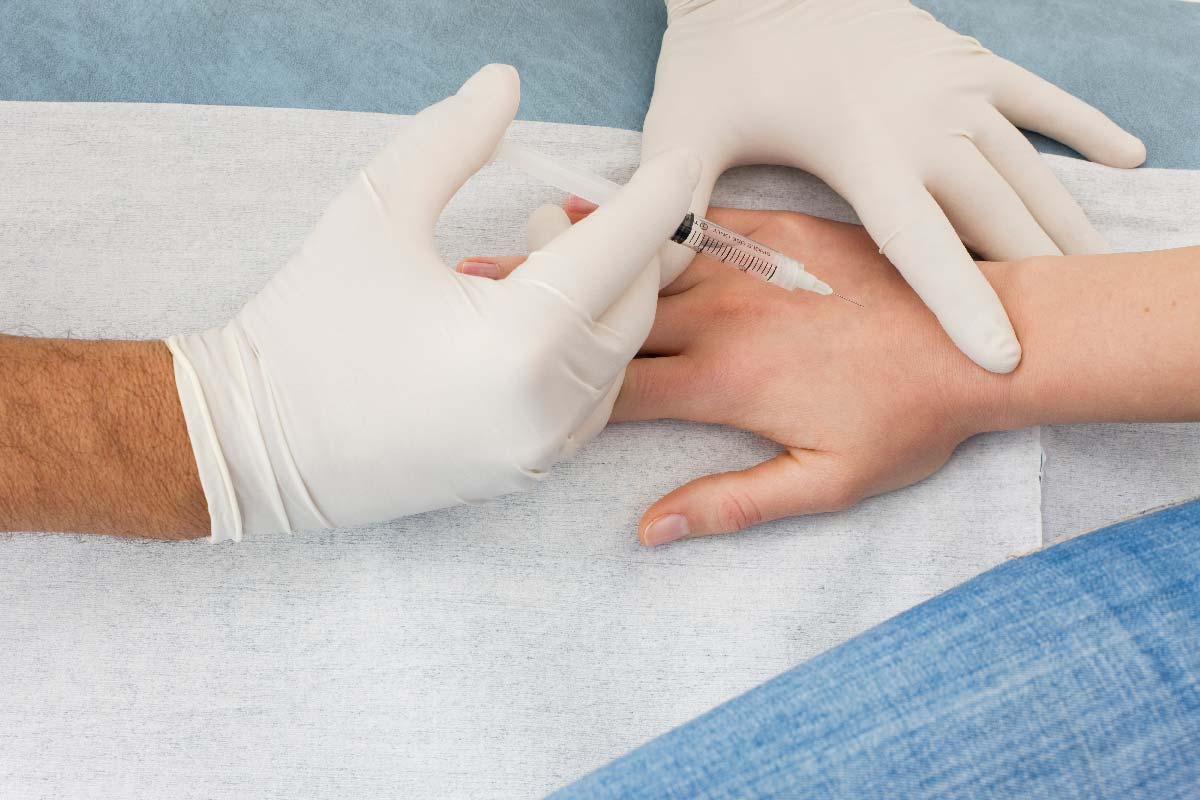
As we age, the skin on our hands often reveals the signs of time more readily than the face, neck, or other areas. While many people focus on facial treatments, the hands are equally susceptible to volume loss, thinning skin, wrinkles, and visible veins. These changes occur due to a decrease in the natural fat padding beneath the skin, loss of collagen and elastin, and cumulative sun exposure. Fortunately, advances in cosmetic and reconstructive techniques have led to innovative solutions aimed at restoring a youthful fullness and appearance to ageing hands. One such approach is fat grafting to the hands, also known as autologous fat transfer.

Fat transfer to the hands utilises the patient’s own fat cells, harvested from areas where they are abundant—often the abdomen, thighs, or flanks—and carefully injecting them into the hands to restore lost volume. This technique has gained popularity as it provides a natural-looking, long-lasting result with a low risk of adverse reactions. We will discuss what fat grafting to the hands involves, how it compares to traditional hand fillers, the role of microfat and nanofat, the use of devices such as the Lipocube, and the latest research supporting its safety and efficacy.

Understanding Ageing Hands

Before delving into fat transfer, it’s important to understand how and why hands age. With time, the subcutaneous layer of the hand thins out, leading to more pronounced tendons, veins, and bones. The skin loses elasticity and firmness, often becoming more translucent. Environmental factors like UV exposure can exacerbate pigmentation issues, resulting in age spots and uneven skin tone. According to medical literature, the cumulative effect of ageing and environmental exposure leads to less volume, wrinkles, and a more fragile appearance in the hands.

What Is Fat Grafting to the Hands?

Fat grafting to the hands, or hand fat transfer, is a minimally invasive procedure that involves harvesting a small volume of fat from one area of your body (commonly the abdomen or thighs) and then processing and injecting it into the back of the hands. This technique reintroduces natural volume where it has been lost, resulting in a more youthful, rejuvenated look. Unlike synthetic hand fillers, such as hyaluronic acid-based products, fat transfer uses your own tissues, minimising the risk of allergic reactions or rejection.

The Benefits of Fat Transfer for Hand Rejuvenation

1. Natural Results: Because the transferred material is your own fat, the results typically feel and look incredibly natural. The outcome is subtle and balanced rather than an artificial “filled” look.

2. Long-Lasting Improvement: While synthetic fillers generally last from several months up to a couple of years, fat grafting can provide lasting improvement. Once the transferred fat cells integrate, many remain permanently.

3. Minimal Allergic Risk: Using your own fat cells virtually eliminates the risk of allergic reactions or rejection, a known concern with some synthetic fillers.

4. Overall Skin Quality Improvement: Recent studies suggest that fat grafting may stimulate local tissue regeneration, potentially improving skin quality and texture. Certain components of fat, including stem cells and growth factors, may enhance the skin’s tone and elasticity over time.

5. Holistic Approach: Fat transfer can be combined with other treatments to achieve a more comprehensive hand rejuvenation. For example, combining fat grafting with laser resurfacing or treating age spots can offer a complete transformation.

How Does Fat Grafting Differ from Hand Fillers?

Hand fillers, like hyaluronic acid-based products, are popular non-surgical options for adding volume to the hands. While fillers can provide a quick and predictable initial result, they do have limitations. Fillers are temporary, requiring repeated treatments to maintain results. Additionally, they may not deliver the same long-term skin benefits that fat can offer.

Fat grafting, on the other hand, can provide a more permanent solution. Although not every single fat cell survives the transfer process—some degree of reabsorption is typical—patients can generally expect a stable and enduring outcome after the initial postoperative period. Furthermore, fat transfer can improve the overall quality of the overlying skin due to the presence of regenerative components like stem cells and growth factors.

Microfat and Nanofat: An Evolution in Fat Transfer

In recent years, advances in fat processing techniques have led to the utilisation of microfat and nanofat. Traditional fat grafting involves transferring relatively large clusters of fat cells. Microfat is essentially fat that has been refined into smaller, more uniform parcels, while nanofat is an even more refined form of fat that contains smaller particles and a higher concentration of regenerative cells.

1. Microfat: Microfat grafting involves processing the harvested fat through specialised filters to achieve a smoother, more consistent texture. This allows for more precise injection into delicate areas, like the hands, where subtle corrections make all the difference.

2. Nanofat: Nanofat takes refinement a step further. The fat is emulsified and filtered until only a solution rich in stromal vascular fraction (SVF) and regenerative cells remains. Nanofat does not provide volume in the same way as microfat, but it is rich in growth factors and stem cells that can improve skin quality, pigmentation, and overall texture. When used in conjunction with microfat, nanofat can help rejuvenate ageing hands from both a structural and cellular perspective.

The Role of Lipocube in Fat Grafting

One of the key advancements in fat grafting technology is the development of devices like the Lipocube. The Lipocube system allows for precise processing of harvested fat, efficiently converting it into microfat or nanofat. By doing this, surgeons can ensure the purity, quality, and consistency of the fat graft before injection. The Lipocube device helps standardise the process, reducing operator variability and improving the safety and reliability of the outcomes.

The Fat Transfer Procedure Step-by-Step

1. Consultation: The first step is a thorough consultation with a qualified plastic surgeon. During this meeting, the surgeon will assess your hands, discuss your concerns and expectations, and determine whether fat transfer is the best option for you.

2. Marking and Anaesthesia: On the day of the procedure, we will mark the donor area (where fat is taken from) and the recipient area (the back of the hands). A local anaesthetic injection numbs the area and ensures your comfort throughout the procedure.

3. Fat Harvesting: Using a small cannula, we will remove a small amount of fat from a donor area such as the abdomen, thighs, or flanks. This process is minimally invasive and designed to preserve the integrity of the fat cells. This is similar to the liposuction procedure.

4. Fat Processing: The harvested fat is then refined. Using techniques like centrifugation or filtration through devices such as the Lipocube, impurities, oil, and blood are removed. We may create different consistencies of fat, including microfat and nanofat, depending on the goals of the treatment.

5. Fat Injection: Once processed, the purified fat is carefully injected into strategic points on the back of the hands. The surgeon will use a fine cannula, placing the fat in small amounts to ensure an even distribution and a natural look. This step is highly artistic, requiring a keen aesthetic eye and a deep understanding of hand anatomy.

6. Finishing Touches: The surgeon will massage the treated area to ensure the fat is well-integrated. Dressings or a light compression garment may be applied, and you will be given detailed aftercare instructions.

Recovery and Aftercare Fat Grafting

Most patients experience mild swelling and bruising after fat grafting to the hands. These effects usually subside within a week or two. Discomfort is generally minimal and can be managed with over-the-counter pain relief. During the initial few weeks, it is essential to avoid strenuous activities that could affect the grafted fat.

It is also important to follow proper skincare routines and to protect your hands from sun exposure. Using broad-spectrum sunscreens can help preserve the rejuvenated appearance of your hands. Over time, as the transferred fat settles and integrates, you will see the full effect of the procedure—a softer, fuller, and more youthful appearance.

Expected Results and Longevity

Most patients will notice an immediate improvement after fat grafting, but it’s important to remember that some of the initial volume may be due to swelling. Over the following weeks and months, the swelling subsides, and the injected fat integrates. Studies suggest that a certain percentage of the injected fat—often quoted at around 50-70%—will remain permanently. The remaining fat cells, once established in their new location, can behave like any other fat cell in your body, fluctuating slightly with weight changes but generally persisting long term.

Potential Risks and Complications

As with any surgical procedure, fat grafting to the hands carries some risks. Common side effects include swelling, bruising, and mild pain. More rare complications may involve infection, cyst formation, or uneven results. Choosing a qualified, experienced plastic surgeon and following their postoperative guidelines can significantly reduce these risks. Fat grafting is generally considered a safe and effective technique when performed by trained professionals.

Who Is an Ideal Candidate for Hand Fat Grafting?

Ideal candidates for hand fat transfer are individuals who have noticed a loss of volume and signs of ageing in their hands. You should be in good health and have realistic expectations about the results. Adequate donor fat is necessary, although only a small volume is required, so most people have enough. If you have underlying medical conditions affecting your hands, you should discuss these with your surgeon. Individuals who want a more permanent solution than temporary hand fillers often find fat transfer an excellent choice.

Alternatives and Complementary Treatments

Fat grafting is not the only option for rejuvenating ageing hands. Alternatives include:

1. Hand Fillers: Injectable fillers made of hyaluronic acid or calcium hydroxylapatite can temporarily restore volume. Though results are not as long-lasting, fillers are less invasive and require minimal downtime.

2. Energy-Based Treatments: Laser therapy, intense pulsed light (IPL), and radiofrequency (RF) treatments can improve skin quality, reduce pigmentation, and enhance elasticity. These are often used in combination with fat grafting or fillers to achieve optimal results.

3. Chemical Peels: Light to medium chemical peels can improve the appearance of the skin on the hands, reducing age spots and fine lines.

4. Sclerotherapy: If visible veins are a concern, sclerotherapy treatments may help reduce their appearance.

Many patients opt for a combination approach, using fat grafting to restore volume and other treatments to address surface-level concerns like pigmentation and texture. A holistic plan can deliver a complete hand rejuvenation experience.

Research and Evidence for Fat Grafting to the Hands

Several studies have reported positive results with fat grafting for hand rejuvenation. Clinical evidence suggests that fat grafting can offer long-term volume restoration and improve the overall quality of the skin. Studies have also highlighted the regenerative potential of fat-derived stem cells (ADSCs), which may promote collagen production and vascularisation, leading to healthier, more youthful skin.

A paper published in “Plastic and Reconstructive Surgery”—a leading peer-reviewed journal—has noted that fat grafting is a safe and reliable method for hand rejuvenation. In addition, the American Society of Plastic Surgeons (ASPS) and other professional bodies have recognised fat transfer as a valuable tool in the cosmetic surgeon’s repertoire.

The Art of Hand Rejuvenation

Performing fat grafting to the hands is both a science and an art. The surgeon must understand the delicate anatomy of the hand, including the distribution of tendons, nerves, and blood vessels. A thoughtful, precise approach to injecting fat ensures that the results are natural and harmonious. Beyond technical skill, the surgeon’s aesthetic eye plays a crucial role in achieving an outcome that looks balanced and maintains full hand functionality.

Cost of Fat Grafting to Hands

The cost of fat grafting to the hands can vary depending on factors like the surgeon’s experience, the complexity of the case, and the geographic location. While fat transfer may have a higher initial cost than temporary hand fillers, it often proves more cost-effective in the long run due to its longevity. Our prices for fat grafting to the hand start from £2500.

Patient Experience and Satisfaction

Patient satisfaction with fat grafting to the hands is generally high. Many patients appreciate the concept of using their own tissues to achieve a natural result. The convenience of a long-lasting improvement, often combined with minimal downtime, makes fat transfer a favoured option for those willing to invest in a more permanent solution to ageing hands. Patients often report feeling more confident, youthful, and pleased with how their hands reflect their overall sense of wellness and vitality.

Safety Considerations and Surgeon Selection

Choosing the right surgeon is crucial to ensuring a safe and successful outcome. Look a plastic surgeon in Manchester or Cheshire such as Mr Nassab with ample experience in fat grafting, hand rejuvenation, and related procedures. During your consultation, we discuss your concerns, procedure and approach to minimising complications. We talk about potential risks, set realistic expectations, and provide thorough post-operative instructions to ensure an optimal result.

Preparing for the Procedure

In the weeks leading up to fat grafting, patients are advised to:

• Avoid smoking, as it can impair circulation and healing. This can also affect fat survival as smokers are likely lose more grafted fat.

• Maintain a stable weight; significant weight fluctuations can affect the longevity of the transferred fat. Weight gain can also make the grafted fat cells larger in size.

• Follow any pre-operative instructions, such as discontinuing certain medications that may increase bleeding risks.

Enhancing the Results

To get the most out of your hand rejuvenation procedure, consider complementary skincare and lifestyle adjustments:

1. Sun Protection: Regularly apply a broad-spectrum sunscreen to your hands. UV exposure contributes significantly to skin ageing and pigmentation issues.

2. Moisturising and Hydration: Keeping your hands well-moisturised can prolong the benefits of the procedure and maintain skin quality.

3. Avoiding Harsh Chemicals: Reduce exposure to harsh cleaning agents or chemicals, which can dry and damage the skin.

4. Healthy Diet and Lifestyle: A balanced diet rich in vitamins, antioxidants, and healthy fats supports skin health. Staying hydrated and avoiding smoking also promote better long-term outcomes.

Global Acceptance and Trends

Fat grafting to the hands is a widely recognised procedure. Surgeons around the world have adopted this technique as patient demand increases. The rising interest is partly due to the versatility of fat grafting; it can be applied not only to the face and breasts but also to the hands. As more individuals seek comprehensive anti-ageing solutions, hand rejuvenation has become a key component of a well-rounded cosmetic strategy.

Future Directions in Fat Grafting

Research and development continue to refine fat transfer techniques, with a focus on improving fat cell survival rates, enhancing the regenerative properties of nanofat, and streamlining the procedure to make it more accessible and reproducible. Emerging technologies are looking at bio-additives, platelet-rich plasma (PRP), and other adjunct therapies to optimise the integration of grafted fat and maximise rejuvenation benefits.

In the near future, we may see more targeted protocols that use different types of fat grafts—microfat, nanofat, and even hybrid solutions—to address multiple aspects of hand ageing. Imaging techniques and computer-assisted planning may also improve precision, delivering even more reliable and individualised outcomes.

Conclusion

Fat grafting to the hands represents a dynamic and evolving technique in the world of hand rejuvenation. By utilising your body’s own fat, this procedure can restore lost volume, improve skin quality, and offer a lasting solution to the signs of ageing. The refinement of fat processing into microfat and nanofat, along with the use of advanced devices like the Lipocube, has elevated fat transfer into a highly sophisticated, effective, and safe option for patients looking to revitalise their hands.

Compared to temporary hand fillers, fat transfer provides long-term results and potential regenerative benefits. Supported by clinical evidence and growing in popularity worldwide, fat grafting to the hands is now considered one of the best options for individuals seeking a natural, comprehensive solution to their ageing hands.

If you are considering hand rejuvenation, consult a qualified plastic surgeon like Mr Nassab in Manchester and Cheshire to discuss your unique concerns, explore treatment options, and develop a personalised plan. With fat grafting to the hands, you can rediscover the youthful, vibrant appearance you desire—giving you confidence not only when you look in the mirror but also when you extend your hand to the world.

Key Takeaways

• Fat Transfer: A natural, long-lasting solution for restoring lost volume in ageing hands.

• Hand Rejuvenation: Fat grafting improves both volume and skin quality, offering comprehensive rejuvenation.

• Microfat and Nanofat: Advanced forms of processed fat that enhance outcomes and regenerative potential.

• Lipocube: A device that refines harvested fat, ensuring consistency and quality in the fat graft.

• Long-Term Results: Unlike temporary hand fillers, fat grafting provides enduring improvement and regenerative benefits.

• Complementary Treatments: Can be combined with lasers, peels, and other modalities for comprehensive hand rejuvenation.

• Evidence-Based: Supported by research and recognised as safe and effective by professional bodies.

• Consultation is Key: Achieving the best results means working with a skilled, experienced plastic surgeon who can personalise your treatment.

By focusing on a holistic and evidence-backed approach, fat grafting to the hands stands out as a superior method for achieving youthful, more attractive hands for the long term.

A question many women ponder is why their breasts are far apart, leaving them with a wide cleavage or dissatisfaction with their breast appearance. While the size and shape of breasts often t...

A question many women ponder is why their breasts are far apart, leaving them with a wide cleavage or dissatisfaction with their breast appearance. While the size and shape of breasts often take centre stage in discussions about aesthetics, the spacing between the breasts, or cleavage gap, plays an equally vital role. We will explore the factors contributing to widely spaced breasts, how breast implants or surgery can affect this spacing, and solutions to achieve the cleavage you desire. It is also one of the most common questions I hear during the consultation.

Wide Cleavage Gap: What Causes It?

A wide cleavage gap refers to breasts that sit far apart on the chest wall, leaving a visible space between them. Several factors can contribute to this, including genetics, breast shape, and chest anatomy.

Genetic Factors

The distance between your breasts largely depends on your natural anatomy. If your chest wall is broad or the position of your breasts sits wide apart, your cleavage will naturally have a more significant gap. Breast spacing is not something you can alter through lifestyle changes or exercises—it’s a structural feature determined by your bone and tissue anatomy.

Breast Shape and Size

Breast shape plays a critical role in the appearance of your cleavage. Women with more tubular or teardrop-shaped breasts often experience a wider gap. Smaller breasts may also appear further apart if there’s less natural tissue to fill the area.

Chest Wall Anatomy

The underlying chest wall structure—including rib cage shape and pectoral muscle positioning—can determine how close your breasts are to one another. A concave or outwardly shaped rib cage can make the breasts appear further apart, even in women with larger breast sizes.

Gap Size Between Implants

For those considering or who already have breast implants, achieving the perfect cleavage is a key goal. However, the size of the gap between breast implants can depend on several factors.

Initial Breast Positioning

Breast implants cannot move breasts closer together than they naturally are. If your natural breasts are far apart, the implants will likely follow that same positioning, maintaining a wide cleavage gap. Surgeons carefully assess your anatomy before surgery to ensure realistic expectations are set.

Implant Shape and Type

The type of implant used can also influence cleavage appearance. Teardrop-shaped implants might create a more natural slope but can sometimes emphasise a wider gap. Round implants can offer more fullness, potentially reducing the perception of a gap.

Surgeon Technique

The surgical approach is critical. Surgeons can adjust the implant placement slightly to minimise the appearance of a gap. However, this adjustment is limited by anatomical constraints, as placing implants too close together can lead to complications such as symmastia (where the implants meet in the middle, creating a ‘uniboob’).

Why Do Implants Go Further Apart With Time?

While breast implants can initially improve cleavage, they may shift or move apart over time, creating a wider gap. Several factors contribute to this:

Natural Tissue Stretching

Over time, the skin and supporting tissues around the implants may stretch, especially in larger implants. This stretching can cause the implants to drift further apart.

Gravity

Gravity affects everyone, and implants are no exception. The weight of the implants may pull the breasts apart slightly over the years, especially if adequate support is not provided post-surgery.

Capsular Contracture

Capsular contracture, where scar tissue forms tightly around the implant, can cause the implants to shift. Depending on how the contracture develops, it might pull implants apart rather than closer together.

Ageing

As the body ages, changes to the skin, fat, and connective tissue can affect the positioning of the implants. A loss of skin elasticity and tissue thinning can exacerbate implant movement.

How Can I Bring My Boobs Closer Together?

If a wide cleavage gap is a concern, there are ways to bring your breasts closer together, both surgically and non-surgically. Here are the most effective options:

Breast Implant Revision

If you already have implants and feel the gap is too wide, a revision procedure can adjust the positioning of the implants. We may alter the implant pockets to bring the breasts closer together, but this must be done carefully to avoid complications.

Fat Transfer to the Cleavage

Fat transfer, also known as fat grafting, involves harvesting fat from one area of the body and injecting it into the cleavage area. This technique can fill in the gap between the breasts and create a more natural, fuller appearance without altering the implants themselves.

Customised Implant Placement

For those undergoing breast augmentation for the first time, we can tailor the procedure to optimise cleavage, taking into account your unique anatomy. As an experienced surgeon, I can dissect the pocket to achieve the look you desire within the limits of your anatomy.

Supportive Bras and Taping

While non-surgical options won’t permanently change breast spacing, certain bras or boob tape techniques can enhance cleavage temporarily. This can be particularly useful for specific events or outfits.

How Can I Get a Better Cleavage?

Improving cleavage is not solely about narrowing the gap between your breasts; it also involves creating fullness and definition in the area. Here’s how:

Choosing the Right Implant

Selecting the correct implant size, shape, and type is crucial. Round implants often provide more upper pole fullness, enhancing cleavage. However, the choice should align with your anatomy and aesthetic goals.

Adjusting Implant Placement

Submuscular placement (under the chest muscle) can create a more natural slope and improve cleavage. On the other hand, subglandular placement (above the muscle) might enhance upper fullness but is not suitable for everyone. Under the muscle will often have a wider gap.

Post-Surgical Care

Proper post-surgical care is vital for maintaining cleavage. Wearing the right support garments and following our advice can help prevent complications or implant drift.

Can Implants Be Brought Closer Together?

The idea of bringing implants closer together is a common request during breast augmentation consultations. While it is possible to reduce the gap slightly, there are limitations:

Implant Pocket Adjustment

During surgery, the implant pocket can be adjusted to position the implants closer together. However, we must carefully balance this adjustment to avoid overcorrection, which could lead to complications.

Tissue Expanders

In rare cases, tissue expanders may be used before implant placement to prepare the chest area and allow for closer implant positioning. This technique is typically reserved for reconstructive surgeries rather than cosmetic ones.

Limits of Anatomy

Ultimately, the natural spacing of your breasts is determined by your anatomy. While surgery can improve the appearance of cleavage, it cannot completely override the structural limitations of your chest wall. When you naturally have a wide breast bone then you will always have a wider cleavage.

Final Thoughts: Achieving the Cleavage You Desire

A wide cleavage gap can be a source of frustration, but understanding the underlying causes and available solutions can help you make informed decisions. Whether you’re considering implants, fat transfer, or a revision procedure, consulting a skilled plastic surgeon is essential to achieving the best possible outcome. I specialise in tailored breast augmentation procedures designed to enhance your natural beauty while respecting your anatomy.

If you’re concerned about a wide cleavage gap or want to improve your breast appearance, book a consultation today with Mr Nassab Plastic Surgeon Manchester and Cheshire. We’ll work with you to develop a customised plan that meets your aesthetic goals and boosts your confidence.

FAQs

1. Can exercises bring my breasts closer together?

Unfortunately, exercises cannot change the spacing between your breasts. While pectoral exercises can strengthen chest muscles, they won’t alter the position of your breast tissue. They can even cause the implants to sit wider apart as muscle contraction causes separation.

2. How long does it take for implants to settle?

Implants typically settle within 3–6 months after surgery, during which time they may drop and fluff, slightly altering their position.

3. Can fat transfer be combined with implants?

Yes, fat transfer can complement implants by adding volume to specific areas, such as the cleavage gap, for a more balanced appearance.

4. Is it possible to fix a wide gap after breast augmentation?

Yes, a revision procedure or fat grafting can help address a wide gap, but the outcome depends on your anatomy and the initial surgery.

5. What is the best implant type for a narrow cleavage?

Round implants often provide the best results for enhancing cleavage, but the ideal choice depends on your individual anatomy and aesthetic goals.

The field of plastic surgery is constantly evolving, with trends shifting in response to cultural preferences, advances in medical technology, and changes in societal attitudes. In 2025, the ...

The field of plastic surgery is constantly evolving, with trends shifting in response to cultural preferences, advances in medical technology, and changes in societal attitudes. In 2025, the focus is on natural results, minimally invasive procedures, and customisation to meet each patient’s unique goals. Here’s a detailed look at the biggest trends in plastic surgery, what’s driving them, and why certain procedures are gaining popularity worldwide.

What Procedures Are Most Popular in the World?

Certain procedures consistently dominate the global cosmetic surgery market. In 2025, these include:

1. Non-Surgical Treatments

Minimally invasive procedures continue to outpace traditional surgeries in popularity. Treatments such as Botox, dermal fillers, and skin-tightening devices like Morpheus8 remain staples. Patients are drawn to their quick recovery times and subtle, natural-looking results.

2. Liposuction

Liposuction has retained its position as one of the top surgical procedures globally. It’s increasingly used not just for fat removal but also for body contouring, often in conjunction with skin-tightening techniques for optimal results.

3. Breast Augmentation

While breast augmentation remains a highly sought-after procedure, the focus has shifted towards smaller implants and more natural shapes, reflecting a broader trend of understated beauty.

4. Rhinoplasty

Rhinoplasty, or nose reshaping surgery, continues to be a global favourite. Advances in techniques have made it possible to achieve refined, balanced results with minimal downtime.

5. Facelift Surgery

Facelifts are surging in popularity, particularly among patients seeking more permanent solutions to facial ageing. Within this category, the deep plane facelift is leading the charge due to its ability to deliver more natural and long-lasting results.

Why Is the Deep Plane Facelift Trending?

The deep plane facelift has emerged as the preferred technique for facial rejuvenation in 2025. This advanced procedure addresses facial ageing by lifting the deeper layers of the face, including muscles and ligaments, rather than just tightening the skin. Here’s why it’s so popular:

• Natural Results: By repositioning the deeper structures of the face, the deep plane facelift avoids the “pulled” or “windswept” look associated with traditional facelifts.

• Long-Lasting Outcomes: Patients enjoy results that can last longer due to the deeper level of correction.

• Improved Midface Rejuvenation: This technique is particularly effective for lifting sagging cheeks and restoring a youthful contour.

• Minimal Scarring: Modern approaches use incisions hidden within natural creases, making scars virtually invisible.

With a growing emphasis on subtle, natural beauty, this technique is becoming a go-to for patients seeking comprehensive facial rejuvenation.

Why Are More Patients Choosing Smaller Breast Implants?

The trend towards smaller breast implants reflects a cultural shift towards natural aesthetics and practicality. Women are opting for implant sizes that enhance their figure without drawing excessive attention. Several factors are driving this trend:

• Natural Look and Feel: Patients want their breasts to look proportional to their body and feel more natural to the touch.

• Athletic Lifestyles: Smaller implants accommodate active lifestyles, making activities like running or yoga more comfortable.

• Longevity: Larger implants can stretch the breast tissue over time, leading to earlier sagging. Smaller implants are associated with longer-lasting results.

• Cultural Influence: Celebrities and influencers showcasing subtle enhancements have helped normalise the preference for understated beauty.

Why Are Breast Reductions Gaining Popularity?

Breast reduction surgery has seen a significant rise in demand in recent years. This trend highlights a shift towards functional outcomes alongside cosmetic improvements. Here’s why:

• Physical Comfort: Women are seeking relief from the physical discomfort caused by large breasts, including back pain, neck strain, and skin irritation.

• Aesthetic Preferences: Smaller breasts are becoming more desirable due to their compatibility with current fashion trends and body ideals.

• Improved Confidence: Breast reduction often improves self-esteem by allowing women to feel more proportionate and less self-conscious.

• Dual Benefits: Modern techniques combine breast reduction with lift procedures, giving patients both functional and cosmetic improvements.

What Are the Biggest Trends in Plastic Surgery for 2025?

Looking ahead, several emerging trends are shaping the future of plastic surgery. These include:

1. Personalised Procedures

Patients are demanding treatments tailored to their specific needs and goals. Customisation is key, with surgeons using 3D imaging and advanced planning tools to create bespoke solutions.

2. Body Contouring Without Surgery

Non-invasive body contouring technologies, such as Emsculpt Neo, and radiofrequency devices, are rapidly advancing. These options appeal to patients seeking fat reduction and muscle toning without downtime.

3. Regenerative Treatments

Treatments like stem cell therapy and platelet-rich plasma (PRP) are becoming mainstream. These options harness the body’s natural healing processes to rejuvenate skin, reduce scarring, and even enhance surgical outcomes.

4. Men Joining the Trend

Plastic surgery is no longer exclusive to women. Procedures like Brotox (Botox for men), jawline contouring, and male breast reduction (gynecomastia surgery) are gaining traction as men seek to maintain a youthful appearance and improve confidence.

5. Combination Treatments

Patients are increasingly combining procedures for comprehensive results. For example, a “mummy makeover” may include a tummy tuck, breast surgery, and liposuction in one operation, saving time and recovery effort.

6. Eco-Friendly Aesthetics

Sustainability is influencing the industry, with a focus on biodegradable materials, reduced surgical waste, and ethically sourced products.

7. Subtle Lip Enhancements

The era of oversized lips is fading, replaced by a desire for naturally plump, hydrated lips. Techniques such as lip flips and microdosing fillers are popular choices.

Conclusion: The Future of Plastic Surgery

The trends shaping plastic surgery in 2025 reflect a shift towards individuality, natural beauty, and advanced technology. Patients are seeking procedures that enhance their features while preserving their unique identity, leading to more personalised, subtle, and effective treatments.

Whether it’s the rise of the deep plane facelift, the preference for smaller breast implants, or the growing popularity of regenerative treatments, the future of plastic surgery is one of innovation and patient-focused care. If you’re considering a procedure, consulting with a skilled surgeon like Mr Reza Nassab who understands the latest trends and techniques is essential to achieving your desired results.

Book a consultation at one of our clinics in Cheshire or Manchester to find out whats hot in plastic surgery.

Lower back fat, often referred to as “love handles” or “back bulge,” is a common area of concern for many people. This stubborn fat can be challenging to eliminate, but with the right combina...

Lower back fat, often referred to as “love handles” or “back bulge,” is a common area of concern for many people. This stubborn fat can be challenging to eliminate, but with the right combination of exercise, diet, and lifestyle changes, it is possible to achieve a leaner, more toned appearance. Additionally, advanced medical treatments can provide targeted solutions for those struggling with resistant fat deposits.

We will explore the causes of lower back fat, effective strategies to eliminate it, and how to maintain your results. Whether you’re starting your fitness journey or seeking more advanced solutions, this article will equip you with the tools to succeed.

What Causes Lower Back Fat?

1. Genetics

Your genetic makeup significantly influences where your body stores fat. Some people are predisposed to accumulate fat in the lower back area due to their genetic profile. While you can’t change your genetics, you can target fat storage with consistent effort.

2. Hormonal Changes

Hormones play a vital role in fat distribution. High cortisol levels (caused by chronic stress) or imbalances in oestrogen, testosterone, or insulin can contribute to fat accumulation around the lower back and waistline. Hormonal changes during menopause or andropause can also exacerbate the issue.

3. Sedentary Lifestyle

A lack of physical activity leads to overall fat gain and weakened back and core muscles. Sitting for long periods, especially with poor posture, can make lower back fat more noticeable.

4. Poor Dietary Habits

Consuming excessive calories, refined sugars, and processed foods contributes to fat gain in all areas, including the lower back. A diet lacking in nutrients can also slow down your metabolism, making it harder to burn fat.

5. Ageing

As we age, metabolism slows down, and muscle mass naturally decreases. This process can lead to increased fat storage, particularly in the back and midsection.

How to Get Rid of Lower Back Fat

While spot reduction (losing fat in a specific area) isn’t possible, you can combine targeted exercises with a comprehensive lifestyle plan to reduce overall body fat and tone the lower back. Let’s dive into effective methods.

1. Tailored Exercise Routines

Exercise is one of the most effective ways to reduce body fat and strengthen muscles in the lower back. Incorporating a mix of cardio, strength training, and core exercises is essential.

Top Exercises for Lower Back Fat:

• Deadlifts

Deadlifts are a compound movement that targets multiple muscle groups, including the lower back, glutes, and hamstrings. They’re excellent for building strength and reducing fat.

• Superman Pose

Lie face down on the floor, extend your arms and legs, and lift them simultaneously. Hold for a few seconds before lowering. This move strengthens the lower back muscles.

• Side Planks

Planks improve core stability and target the obliques, reducing love handles and sculpting the waist.

• Reverse Hyperextensions

Use a hyperextension bench to work the lower back and glutes. This exercise improves posture and muscle tone.

• Bent-Over Rows

This strength-training exercise targets the upper and lower back while improving posture.

Cardiovascular Workouts:

Cardio is crucial for burning calories and reducing overall fat. Incorporate activities such as:

• High-Intensity Interval Training (HIIT): Alternate between short bursts of intense exercise (e.g., sprints) and recovery periods.

• Steady-State Cardio: Activities like brisk walking, cycling, or swimming help maintain a calorie deficit.

2. Nutrition: Fuel Your Body for Fat Loss

Diet plays a central role in reducing lower back fat. A healthy, balanced diet ensures you stay in a caloric deficit while providing the nutrients needed for energy and muscle recovery.

Diet Tips for Reducing Lower Back Fat:

• Caloric Deficit:

Consuming fewer calories than your body burns is essential for fat loss. Use a calorie-tracking app to monitor your intake and stay within your target range.

• Prioritise Protein:

Protein supports muscle growth and repair while keeping you feeling fuller for longer. Include lean meats, fish, eggs, dairy, and plant-based sources like lentils and chickpeas.

• Healthy Fats:

Incorporate unsaturated fats from avocados, nuts, seeds, and olive oil. These promote satiety and help regulate hormones.

• Fibre-Rich Foods:

Whole grains, vegetables, and fruits improve digestion and keep you satisfied, reducing the likelihood of overeating.

• Limit Sugars and Refined Carbs:

Cut back on sugary snacks, white bread, and other processed foods that lead to fat storage.

Hydration:

Staying hydrated boosts your metabolism and helps control hunger. Aim for at least 2 litres of water daily.

3. Strengthening Your Core

A strong core not only improves posture but also helps define the lower back area. Core-focused exercises should be a regular part of your fitness routine.

Core Exercises to Try:

• Plank Variations (Forearm Plank, Side Plank)

• Bicycle Crunches

• Mountain Climbers

• Hanging Leg Raises

These exercises target the abdominal and lower back muscles, contributing to a sculpted look.

4. Improve Posture for a Leaner Back

Poor posture can make lower back fat more pronounced. Strengthening the muscles that support good posture can visually slim your back.

Tips for Better Posture:

• Practice yoga or Pilates, which focus on alignment and flexibility.

• Perform exercises like shoulder retractions and back extensions.

• Avoid slouching when sitting or standing for long periods.

5. Manage Stress Levels

Chronic stress triggers the release of cortisol, which can lead to fat storage in the midsection and lower back. Reducing stress is an essential component of fat loss.

Stress Management Techniques:

• Practice meditation or mindfulness.

• Engage in regular physical activity.

• Get 7–9 hours of quality sleep each night.

• Consider hobbies or activities that relax you, such as reading or painting.

Advanced Medical Treatments for Lower Back Fat

If lifestyle changes alone aren’t enough, medical or surgical treatments can help target stubborn fat deposits in the lower back. These options should be considered after consultation with a qualified professional.

1. Liposuction

Liposuction is a surgical procedure that removes fat from specific areas, including the lower back. It’s an excellent option for those with localised fat deposits resistant to diet and exercise.

2. CoolSculpting

This non-invasive procedure uses cryolipolysis (fat freezing) to destroy fat cells. It’s a great option for reducing fat in targeted areas without surgery.

3. BodyTite and VASER Liposuction

These treatments combine fat removal with skin tightening, addressing both excess fat and loose skin. BodyTite uses radiofrequency whilst Vaser uses ultrasound.

4. Emsculpt Neo

Emsculpt Neo uses electromagnetic energy to build muscle and burn fat. It’s particularly effective for sculpting the lower back and surrounding areas.

5. Morpheus8 Body

Morpheus8 combines microneedling with radiofrequency energy to tighten skin and improve the texture of fat-prone areas.

Preventing Lower Back Fat

Once you’ve reduced lower back fat, it’s essential to maintain your results. Here’s how:

• Stay Active: Incorporate both cardio and strength training into your weekly routine.

• Eat a Balanced Diet: Continue prioritising whole, nutrient-dense foods while avoiding excessive calories.

• Monitor Stress Levels: Practise stress-reducing activities to prevent hormonal imbalances.

• Hydrate: Keep your metabolism functioning optimally by drinking enough water daily.

Common Myths About Lower Back Fat

1. Spot Reduction Works

While targeted exercises tone the muscles underneath fat, overall fat loss is achieved through a combination of diet and full-body exercise.

2. Crash Diets are Effective

Quick-fix diets may offer temporary results but often lead to weight regain. Sustainable changes are key to long-term fat loss.

3. Supplements Alone Can Help

Fat-burning supplements should complement, not replace, a healthy lifestyle.

Tracking Your Progress

To stay motivated, track your progress over time:

• Measurements: Use a tape measure to monitor changes in your waistline and back.

• Progress Photos: Take pictures every few weeks to visually track improvements.

• Fitness Apps: Log your workouts and meals to stay on track.

Why Choose Mr Nassab for Lower Back Fat Treatments?

At CLNQ, we offer a range of personalised body contouring treatments to help you achieve your goals. From advanced liposuction techniques to non-invasive procedures like Emsculpt Neo, our team of experts is here to guide you every step of the way.

With a focus on safety and results, we’ll work with you to create a tailored plan that suits your unique needs. Contact us today to schedule a consultation to find out about all your options.

Conclusion

Getting rid of lower back fat is a journey that requires commitment and consistency. By combining regular exercise, a nutritious diet, and targeted medical treatments, you can achieve a leaner, more toned lower back. Remember, progress takes time, but with the right approach, your goals are well within reach.

Take the first step today by booking a consultation with CLNQ. Let us help you achieve your ideal body with expert guidance and cutting-edge treatments.

An internal mesh bra refers to a supportive scaffold placed inside the breast during certain breast surgeries. It is often used in procedures like breast augmentation, breast lift (mastopexy)...

An internal mesh bra refers to a supportive scaffold placed inside the breast during certain breast surgeries. It is often used in procedures like breast augmentation, breast lift (mastopexy), or breast reconstruction. The purpose of the mesh is to provide structural support to the breast tissue, particularly in cases where the skin and tissues are weak or stretched. It acts like an internal “bra,” holding the implants or breast tissue in place and reducing the risk of complications such as implant displacement or sagging. An internal bra can also be constructed using internal stitches such as Stratafix barbed stitches.

The mesh is typically made of a biocompatible material, such as resorbable polymers, which integrate with the body’s tissues over time. One popular example is GalaFLEX, a commonly used internal scaffold.

How Does the Internal Mesh Work in the Breast?

The mesh acts as a foundation within the breast, distributing tension and providing additional support where the skin and tissues are inadequate. After insertion, the body’s natural tissue grows into the mesh, strengthening the area. This process is called tissue integration. Over time, most types of mesh dissolve, leaving behind a reinforced collagen matrix that supports the breast structure. The internal bra stitches are used to adjust the implant pocket. This is a technique to try and bring the implants closer to the midline or to correct symmastia.

Key functions include:

1. Preventing sagging: By reinforcing weak or stretched skin, the mesh reduces the chances of recurrent ptosis (drooping).

2. Stabilising implants: It helps keep implants in their correct position, particularly in patients at higher risk of implant malposition.

3. Long-lasting results: By reducing the strain on tissues, the mesh can prolong the results of a breast lift or augmentation.

What is GalaFLEX?

GalaFLEX is a bioresorbable surgical mesh commonly used in breast surgeries. It is made of poly-4-hydroxybutyrate (P4HB), a naturally derived polymer that dissolves within 18–24 months. As the mesh dissolves, it leaves behind a robust collagen structure created by the body’s healing process.

Benefits of GalaFLEX include:

• Biocompatibility: It is designed to integrate seamlessly with the body, minimising rejection risks.

• Gradual absorption: While it dissolves, the body has time to form new tissue support.

• Improved strength: The collagen framework left behind can be up to four times stronger than natural tissues.

• Customisation: GalaFLEX comes in various sizes and shapes to suit different surgical needs.

What Are the Risks of the Mesh?

While the internal mesh bra offers significant benefits, it is not without risks. These include:

1. Infection: Like any foreign material, the mesh carries a risk of infection. If infection occurs, it may need to be removed.

2. Seroma or fluid collection: Fluid can accumulate around the mesh, leading to discomfort and potentially requiring drainage.

3. Mesh exposure: If the overlying tissue is too thin, the mesh might become visible or palpable through the skin.

4. Inflammation or delayed healing: The body’s immune response can cause prolonged swelling or delayed healing.

5. Mesh migration: Rarely, the mesh may shift from its intended position.

6. Rejection or extrusion: In rare cases, the body may reject the mesh, leading to complications that require revision surgery.

7. Compromised aesthetic results: Improper placement or complications like infection can negatively affect the final appearance.

Do I Really Need a Mesh?

The decision to use a mesh depends on your individual circumstances, including:

• Weak or thin tissues: If your skin or breast tissue is significantly stretched (e.g., after weight loss or multiple surgeries), the mesh can provide essential support.

• Complex surgeries: In cases involving large implants or revisions, a mesh can improve outcomes by stabilising the results.

• High risk of recurrence: If there is a high likelihood of implant displacement or breast ptosis, a mesh can help prevent these issues.

Not all patients require a mesh, and its use is typically reserved for those with specific challenges or risks.

What Are Internal Sutures?

Internal sutures refer to stitches placed inside the body to hold tissues together during the healing process. In breast surgery, these sutures are often used to:

• Reinforce the breast pocket.

• Anchor implants in the correct position.

• Shape the breast tissue during a lift or reduction.

These sutures are typically made of durable materials like nylon or polydioxanone (PDS), which may dissolve over time or remain permanently to provide ongoing support. They are critical in ensuring a stable and long-lasting result, especially in combination with a mesh or other reinforcement methods.

How Can You Fix the Breast Pocket?

The breast pocket is the space created during breast augmentation where the implant is placed. Issues such as pocket malposition (e.g., implant moving too low or to the side) can affect the breast’s appearance and symmetry.

To fix the pocket, we may use:

1. Capsulorrhaphy (internal bra repair): This involves suturing the capsule (scar tissue) around the implant to reshape or tighten the pocket.

2. Internal sutures: Placing permanent or dissolvable stitches to reinforce the pocket and prevent further movement.

3. Mesh reinforcement: Adding an internal mesh, like GalaFLEX, to stabilise the pocket and prevent recurrence.

4. Recreating the pocket: In severe cases, the original pocket may be closed, and a new one created.

What Happens If the Mesh Becomes Infected?

If the mesh becomes infected, the situation can range from mild inflammation to a severe infection requiring surgical intervention. Signs of infection include:

• Redness, swelling, or warmth around the surgical site.

• Persistent pain or tenderness.

• Fever or flu-like symptoms.

• Fluid drainage from the incision.

Management options include:

1. Antibiotics: Mild infections can sometimes be treated with a course of antibiotics.

2. Drainage: If there is an associated seroma or abscess, it may need to be drained.

3. Mesh removal: In cases of severe infection, the mesh may need to be removed to allow the area to heal. This might delay the overall recovery process and necessitate a secondary procedure.

Infection risks can be minimised by using techniques such as a funnel, antibiotics, antibiotics solutions, following proper postoperative care, and reporting any concerns promptly.

Conclusion

The use of an internal mesh bra, such as GalaFLEX, can significantly enhance breast surgery outcomes, particularly for patients with weak tissues or complex surgical needs. However, it is not always necessary, and its use should be carefully evaluated based on individual anatomy and goals. While the risks are relatively low, understanding potential complications and how they are managed is crucial for making an informed decision. The most common method for internal bra surgery is using internal stitches which may be barbed, like Stratafix or V-Loc, or normal sutures to adjust the pocket of the breast implant.

Find out more about internal bra surgery techniques with Mr Nassab one of the best Plastic Surgeon in Manchester. We have clinics in Knutsford Cheshire and central Manchester.

Are you considering breast augmentation in Manchester? Whether you’re looking to enhance your confidence, restore volume after pregnancy, or achieve a more proportionate silhouette, Mr. Reza ...

Are you considering breast augmentation in Manchester? Whether you’re looking to enhance your confidence, restore volume after pregnancy, or achieve a more proportionate silhouette, Mr. Reza Nassab offers bespoke breast surgery solutions tailored to your unique goals. Based in the heart of Manchester and serving the surrounding areas, our clinic provides world-class care for patients seeking transformative breast enhancement.

Why Choose Breast Augmentation in Manchester with Mr. Reza Nassab?

Breast augmentation is one of the most popular cosmetic procedures worldwide, and finding the right surgeon is key to achieving natural, beautiful results. Mr. Reza Nassab, a highly sought-after breast augmentation specialist in Manchester, is renowned for his expertise in breast surgery. With years of experience and a bespoke approach, he offers personalised treatment plans designed to meet your individual needs. He has been featured in TV shows such as The Real Housewives of Cheshire and Olivia Attwood‘s Price of Perfection.

Choosing a local surgeon in Manchester ensures convenient consultations, accessible follow-ups, and a personal connection to your care team. Mr. Nassab’s commitment to patient satisfaction has made him one of the most trusted names in breast augmentation across the North West.

What is Breast Augmentation?

Breast augmentation, also known as augmentation mammoplasty or boob job, is a cosmetic surgical procedure designed to enhance the size, shape, and overall appearance of the breasts. This is achieved using breast implants, which come in a variety of shapes, sizes, and materials to suit different body types and aesthetic goals.

Breast augmentation can address a wide range of concerns, such as:

• Restoring volume after pregnancy or weight loss

• Achieving symmetry between uneven breasts

• Enhancing overall body proportions

• Boosting self-confidence and body image

At our Manchester clinic, patients benefit from advanced surgical techniques, premium implants, and a patient-centred approach to care.

Breast Augmentation Manchester

Benefits of Breast Augmentation in Manchester

Patients from Manchester and surrounding areas such as Cheshire, Stockport, Alderley Edge, Wilmslow and Altrincham choose our clinic for breast augmentation due to the following advantages:

1. Personalised Care

No two patients are alike, and Mr. Nassab takes the time to understand your unique goals, body type, and lifestyle. Every procedure is tailored to deliver results that complement your natural proportions.

2. Expertise and Experience

With years of experience in cosmetic and reconstructive surgery, Mr. Nassab is a trusted expert in breast augmentation. His extensive training ensures that patients receive the highest standard of care.

3. Convenient Location

Our Manchester clinic is centrally located, making it easy for patients across the North West to access consultations, surgery, and follow-up appointments.

4. Advanced Techniques

We use the latest surgical techniques and premium implants to minimise scarring, enhance safety, and deliver stunning, natural-looking results.

5. Comprehensive Aftercare

Our team provides detailed aftercare instructions and ongoing support to ensure a smooth recovery and long-lasting results.

Understanding Breast Implants: Your Options in Manchester

Choosing the right implant is a key part of the breast augmentation process. At our Manchester clinic, we offer a range of implant options to suit different preferences and body types.

Implant Types

• Silicone Implants: These are the most popular choice due to their natural feel and durability. Silicone implants are ideal for patients seeking a realistic look and texture.

• Saline Implants: Filled with a sterile saltwater solution, these implants allow for a smaller incision and adjustable volume. These are rarely used in the UK.

• Cohesive Gel Implants: Also known as “gummy bear” implants, these provide a stable, natural shape and are less likely to ripple.

Implant Shapes

• Round Implants: Create a fuller, more lifted appearance.

• Teardrop Implants: Mimic the natural slope of the breast, offering a subtle, elegant enhancement.

Implant Sizes

Implants come in various sizes to suit your anatomy and goals. During your consultation, we’ll guide you in selecting the size that complements your body while achieving your desired results.

What to Expect During Breast Augmentation Surgery in Manchester

The process of breast augmentation in Manchester begins with a detailed consultation at our clinic. Here’s an overview of what you can expect:

1. Initial Consultation

During this session, Mr. Nassab will discuss your aesthetic goals, review your medical history, and help you understand the procedure. You’ll also have the opportunity to see and feel implant samples, ensuring you make an informed choice. We will perform implant sizing with different sizes and shapes. There is also an opportunity to perform a 3D simulation using Crisalix.

2. Preoperative Preparation

Before surgery, you’ll receive personalised instructions to prepare for the procedure. This may include avoiding certain medications, arranging transportation, and planning your recovery period.

3. Surgery

The procedure is performed under general anaesthesia and typically takes 1-2 hours. Incisions are made discreetly to minimise visible scarring, and the implants are placed either above or below the chest muscle.

4. Recovery

After surgery, you’ll rest in our comfortable recovery suite before returning home. Most patients experience mild swelling and discomfort, which subside within a few days.

Recovery After Breast Augmentation

The recovery period is an essential part of your breast augmentation journey. Here are some tips for a smooth recovery:

• Follow Post-Op Instructions: Adhere to the aftercare guidelines provided by Mr Nassab.

• Wear Supportive Garments: A surgical bra will help reduce swelling and support your breasts as they heal.

• Rest and Hydrate: Allow your body to recover by avoiding strenuous activities and staying well-hydrated.

• Monitor for Concerns: Contact our team if you experience unusual symptoms, such as excessive pain or swelling.

Most patients return to light activities within a week and can resume their full routine, including exercise, after 6 weeks.

Frequently Asked Questions About Breast Augmentation in Manchester

1. How Much Does Breast Augmentation Cost in Manchester?

The cost varies depending on the type of implants, surgical techniques, and individual needs. At our clinic, we provide transparent pricing during your consultation, with no hidden fees. Our prices start from £7500.

2. Am I a Candidate for Breast Augmentation?

Good candidates are healthy individuals who wish to enhance their breast size, shape, or symmetry. During your consultation, we’ll determine if the procedure is right for you.

3. Will My Results Look Natural?

Yes, natural-looking results are a priority. We use advanced techniques and tailor each procedure to ensure your breasts look proportionate and harmonious with your body. Mr Nassab is well known for his natural look breast augmentation.

4. What is the Recovery Time?

Most patients recover within 4-6 weeks. You’ll notice initial improvements soon after surgery, with final results visible once swelling subsides.

5. Are There Risks?

As with any surgery, breast augmentation carries some risks, including infection, implant rupture, or changes in sensation. However, these risks are minimised when you choose an experienced surgeon like Mr. Nassab.

Why Patients Choose Mr. Reza Nassab for Breast Augmentation in Manchester

As a leading expert in breast surgery, Mr. Reza Nassab has built a reputation for excellence across Manchester and the North West. Here’s why patients trust him:

• Extensive Experience: Years of expertise in cosmetic and reconstructive surgery

• Personalised Approach: Tailored treatment plans for every patient

• Exceptional Results: A track record of satisfied patients and beautiful outcomes

• Trusted Reputation: Recognised by prestigious medical associations and featured in media outlets

Testimonials from Breast Augmentation Patients in Manchester

These are some reviews from our previous patients having plastic surgery in Manchester.

Book Your Consultation for Breast Augmentation in Manchester Today

If you’re ready to explore breast augmentation in Manchester, schedule a consultation with Mr. Reza Nassab today. Located conveniently in Manchester, we’re proud to serve patients from Cheshire, Stockport, Altrincham, and beyond. Take the first step toward feeling more confident in your skin – contact us now to book your appointment.

Contact Information

Address Manchester, 11 Owen Street, Manchester, M15 4YB

Tel 08000584558

Email hello@clnq.com

By choosing our clinic for breast augmentation in Manchester, you’re selecting expert care, personalised service, and exceptional results. Let us help you achieve the confidence you deserve!

A hanging belly, often called an apron belly or abdominal overhang, is a common concern for women after a C-section (caesarean section). Pregnancy, childbirth, and the recovery process leave ...

A hanging belly, often called an apron belly or abdominal overhang, is a common concern for women after a C-section (caesarean section). Pregnancy, childbirth, and the recovery process leave behind physical changes that can be challenging to address, especially when loose skin, excess fat, and weakened muscles create an overhanging abdomen.

While it’s natural to experience these changes, they can impact confidence and comfort. Mr Nassab offers personalised solutions to help women regain their pre-pregnancy physique, from non-surgical treatments to advanced surgical options like tummy tucks and scar revisions.

We will delve into the causes of a hanging belly, effective lifestyle changes, and detailed explanations of both non-surgical and surgical treatments.

What Causes a Hanging Belly After a C-Section?

A hanging belly results from several factors, often combining to create excess skin and fat in the lower abdomen:

1. Stretched Skin and Fat Accumulation

During pregnancy, the skin stretches significantly to accommodate the baby. After childbirth, the skin may not fully retract due to reduced elasticity, especially if the skin was stretched beyond its natural capacity.

2. Weak or Separated Abdominal Muscles

Pregnancy can weaken the abdominal muscles, particularly the rectus abdominis. Many women develop diastasis recti, where the abdominal muscles separate along the midline. A C-section further disrupts these muscles, leaving them weakened and unable to provide the same level of support to the abdominal wall.

3. Post-Surgical Scarring

C-section scars can create a shelf-like effect where fat and skin hang over the incision. This makes the overhang more pronounced and contributes to the overall appearance of a hanging belly.

4. Hormonal Changes

Hormonal shifts during and after pregnancy, including fluctuations in oestrogen and cortisol, can contribute to fat retention and reduce the skin’s ability to bounce back.

5. Fluid Retention and Swelling

Many women experience fluid retention after surgery, which can exacerbate the appearance of a hanging belly.

Can a Hanging Belly Go Away Naturally?

Mild cases of a hanging belly may improve over time with a combination of healthy diet, exercise, and skincare. However, significant skin laxity or muscle separation often requires medical intervention, whether through non-surgical treatments or surgery.

Lifestyle Changes to Address a Hanging Belly

While lifestyle changes alone may not eliminate a hanging belly, they can enhance overall health, reduce fat, and improve muscle tone.

1. Adopt a Healthy Diet

A balanced diet supports fat loss, muscle recovery, and skin health.

• Protein-rich foods: Protein helps repair muscles and improve skin elasticity. Include lean meats, fish, eggs, and legumes in your diet.

• Healthy fats: Foods rich in omega-3 fatty acids, like salmon and avocados, support skin and overall health.

• Hydration: Drink plenty of water to improve skin elasticity and reduce bloating.

• Avoid processed foods: Limiting sugary and refined carbs can reduce fat retention.

2. Exercise Regularly

Postpartum exercise strengthens the core and burns fat. However, it’s crucial to approach exercise cautiously after a C-section.

• Core-specific exercises: Pilates and yoga focus on rebuilding core strength and addressing diastasis recti.

• Low-impact cardio: Walking, swimming, or cycling can help reduce overall fat.

• Strength training: Light weights or resistance bands can rebuild muscle tone.

3. Skincare for Elasticity

A skincare routine won’t remove a hanging belly but can improve the skin’s elasticity and appearance. Products containing retinol, vitamin C, and hyaluronic acid can help stimulate collagen production.

4. Compression Garments

Compression garments provide support to the abdominal muscles, reduce swelling, and improve posture.

Non-Surgical Treatments for a Hanging Belly

Non-surgical options can help tighten skin and reduce fat in mild to moderate cases. These are ideal for women who are not ready for surgery or who want a less invasive approach.

1. Radiofrequency Skin Tightening (Morpheus8)

Morpheus8 combines radiofrequency energy with microneedling to stimulate collagen and elastin production, tightening skin and improving texture.

2. Ultrasound Therapy (Ultherapy)

Ultherapy uses focused ultrasound energy to lift and tighten skin by stimulating deep layers of collagen production.

3. Emsculpt Neo

The Emsculpt Neo is a radiofrequency and muscle stimulation device for skin tightening and muscle building.

4. Laser Skin Resurfacing

Fractional CO2 lasers and other resurfacing technologies improve skin texture, reduce scarring, and stimulate collagen.

5. Injectable Collagen Stimulants

Injectables like Sculptra or Lanluma boost collagen production, improving skin firmness and elasticity.

Surgical Options to Address a Hanging Belly

For more severe cases, surgery offers the most effective and long-lasting solution. We specialise in advanced surgical techniques tailored to each patient’s unique anatomy and goals.

1. Full Abdominoplasty (Tummy Tuck)

A full tummy tuck is a comprehensive procedure that addresses excess skin, fat, and muscle weakness. The tummy tuck procedure aims to remove excess skin and fat. During this procedure, we can repair the abdominal muscles and this helps improve the diastasis. Liposuction may be used as well to sculpt the abdomen.

Benefits

• Restores a flat, toned abdomen.

• Removes the C-section scar in most cases.

• Long-lasting results when combined with a healthy lifestyle.

Recovery

• Initial recovery: 2–4 weeks, during which physical activity is limited.

• Full recovery: 8–12 weeks, as swelling subsides and results stabilise.

2. Mini Abdominoplasty (Mini Tummy Tuck)

A mini tummy tuck is an option focusing on the area below the navel. The mini tummy tuck focuses on the lower half of the abdomen.

Procedure Details

• Involves a smaller incision and less extensive muscle repair.

• Often combined with liposuction for optimal contouring.

Benefits

• Shorter recovery time compared to a full tummy tuck.

• Ideal for women with mild to moderate sagging.

Recovery

• Initial recovery: 1–2 weeks.

• Full recovery: 4–6 weeks.

3. Fleur-de-Lis Abdominoplasty

This advanced technique is suitable for women with extensive skin laxity, particularly after significant weight loss or multiple pregnancies. The FDL abdominoplasty has both a vertical and horizontal incision to remove excess skin and reshape the abdomen. This helps tighten the waistline for a more sculpted appearance.

Recovery

• Similar to a full tummy tuck but with more noticeable scarring.

4. Liposuction

Liposuction targets stubborn fat in the lower abdomen. While it doesn’t address excess skin, it can enhance contouring when combined with a tummy tuck.

Techniques

• Traditional liposuction: Removes fat via suction.

• VASER liposuction: Vaser uses ultrasound waves to break down fat, allowing for precise removal.

Recovery

• Initial recovery: 1–2 weeks.

• Full results: 3–6 months as swelling subsides.

5. C-Section Scar Revision

For women whose hanging belly is exacerbated by scarring, scar revision can improve the area’s appearance and contour. The scar is surgically removed or smoothed, reducing the overhang. This is performed with a mini tummy tuck or liposuction.

Why Choose Mr. Reza Nassab?

We understand that every patient is unique and Mr. Reza Nassab is a highly experienced plastic surgeon with a proven track record in body contouring and post-pregnancy transformations. He will assess you and offer the most suitable treatment options.

Our Approach

• Personalised Treatment Plans: Tailored to meet your individual goals.

• Advanced Techniques: We use the latest innovations to deliver natural, long-lasting results.

• Comprehensive Aftercare: Ensuring your recovery is smooth and comfortable.

Tummy Tuck Reviews

“Great experience throughout. From the consultation till the moment I was discharged I was taken care of. I am very happy with my results and am enjoying my newly found confidence.”

“I am returning patient of Mr Nassab. He is a fantastic surgeon who has looked after me so well and made amazing changes to my confidence.”

FAQs About a Hanging Belly After C-Section

1. How Long Should I Wait Before Considering Surgery?

It’s recommended to wait at least 6–12 months after a C-section before considering surgery. This allows your body to heal fully, stabilise in weight, and ensures any swelling or hormonal changes have resolved.

2. Can a Tummy Tuck Remove a C-Section Scar?

Yes, a full tummy tuck often removes the C-section scar as part of the procedure. The new scar is typically placed lower on the abdomen and is more discreet.

3. Is Surgery Painful?

Surgical procedures like tummy tucks are performed under general anaesthesia, so you won’t feel pain during the surgery. Postoperative discomfort is managed with pain relief, and most patients report that the results outweigh the temporary discomfort.

4. How Long Does It Take to See Results?

For non-surgical treatments, results may take a few months as collagen production increases or fat cells are naturally eliminated. For surgical procedures, initial results are visible after swelling subsides in 4–6 weeks, with final results typically apparent after 3–6 months.

5. Are Results Permanent?

Yes, the results of surgical procedures are long-lasting, provided you maintain a stable weight and healthy lifestyle. However, future pregnancies or significant weight fluctuations can affect the results.

Preparing for Surgery: What to Expect

We ensure our patients are well-prepared for surgery. Here’s what you can expect:

1. Initial Consultation

• Comprehensive evaluation of your abdominal area, including skin laxity, fat deposits, and muscle separation.

• Discussion of your goals and a personalised treatment plan tailored to your anatomy.

• Explanation of the surgical procedure, risks, recovery process, and expected outcomes.

2. Pre-Surgical Preparation

• You may need to stop smoking and avoid certain medications, such as blood thinners.

• Arrange for support during your recovery period, as you’ll need help with daily activities initially.

3. The Surgery Day

• Most procedures are performed under general anaesthesia and take 2–5 hours, depending on the complexity.

• You’ll typically return home the same day or stay overnight if required.

4. Recovery Process

• Compression garments are often recommended to support healing and reduce swelling.

• Follow-up appointments are scheduled to monitor your recovery and ensure optimal results.

Post-Surgical Care and Recovery

Your recovery experience will depend on the specific procedure you undergo, but here are some general tips for healing:

1. Rest and Limited Activity

• Take time to rest, especially during the first two weeks. Avoid heavy lifting or strenuous activity for 4–6 weeks.

• Gentle walking is encouraged to promote circulation and prevent blood clots.

2. Compression Garments

Wear compression garments as instructed to minimise swelling and help the abdomen adapt to its new contour.

3. Wound Care

Keep the incision site clean and dry to prevent infection. Follow your surgeon’s instructions for dressing changes and wound care.

4. Pain Management

Pain medication will be prescribed to manage discomfort. Most patients report significant improvement in pain after the first week.

5. Healthy Lifestyle

Maintaining a stable weight and following a nutritious diet will help preserve your results.

Why Choose Mr. Reza Nassab for Your Body Contouring?

Choosing the right surgeon is critical to achieving your desired results. We offer:

• Expertise: Mr. Nassab is a highly experienced, BAAPS-certified plastic surgeon specialising in post-pregnancy transformations.

• Bespoke Care: Each treatment plan is tailored to your unique anatomy and goals.

• State-of-the-Art Facilities: Our clinics in Manchester and Cheshire are equipped with the latest technologies to ensure patient safety and comfort.

• Comprehensive Aftercare: We’re committed to supporting you every step of the way, from consultation to recovery.

Conclusion

A hanging belly after a C-section is a common concern, but it’s not something you have to live with. From lifestyle adjustments and non-surgical treatments to transformative surgical procedures, there are numerous ways to address this issue and regain your confidence.

If you’re ready to explore your options, contact us at now to book your consultation. Let us help you on your journey to feeling confident and comfortable in your body once again.

Breast augmentation is one of the most sought-after cosmetic surgeries in the world. It has the power to enhance your confidence, transform your appearance, and help you achieve your aestheti...

Breast augmentation is one of the most sought-after cosmetic surgeries in the world. It has the power to enhance your confidence, transform your appearance, and help you achieve your aesthetic goals. However, the journey doesn’t end once the procedure is complete. Understanding the recovery process, especially the “drop and fluff” phase, is crucial to setting realistic expectations and ensuring a smooth recovery.

If you’ve come across the term “drop and fluff” and are wondering what it means, we will explain everything you need to know—from what happens during this process to how long it takes, and how you can help your body recover for the best possible results.

What Does “Drop and Fluff” Mean?

The term “drop and fluff” refers to the natural post-operative changes that occur after breast augmentation surgery. Following the procedure, your breast implants won’t immediately look as they will in their final form. Instead, they may appear higher on your chest, firmer, and less natural than you expected. Over time, the implants will gradually “drop” into a lower, more anatomically natural position. At the same time, the surrounding tissues will soften, allowing the implants to “fluff” and take on a fuller, rounder appearance.

This process is completely normal and part of the body’s healing response. While the initial appearance might cause concern for some patients, the drop and fluff phase is an expected and necessary part of achieving your final results.

Why Do Implants Sit High Initially?

1. Surgical Placement

The implant’s position immediately after surgery is determined by where the pocket is created for the implant during the procedure. Whether placed under the breast tissue (subglandular) or beneath the chest muscle (submuscular), the implants are initially supported by the surrounding tissues and may sit higher until these tissues adjust.

2. Swelling

Post-operative swelling around the surgical site can push the implants upwards, contributing to their initial high position.

3. Muscle Contraction

When implants are placed under the pectoral muscle, the muscle naturally contracts in response to surgery. This can temporarily hold the implants higher until the muscle relaxes.

These factors combine to create the firm, elevated appearance often seen immediately after breast augmentation.

The Stages of Drop and Fluff

The drop and fluff process doesn’t happen overnight. Instead, it unfolds gradually over weeks and months. Here’s a breakdown of what you can expect:

Stage 1: The Immediate Post-Surgery Phase (Weeks 1-2)

• What You’ll See: The breasts appear swollen, high, and firm. They may look tight and have an unnatural shape.

• What You’ll Feel: A feeling of tightness or pressure in the chest is normal, especially if the implants are placed under the muscle.

• What’s Happening: Swelling and tissue tightness dominate this phase. The implants are held firmly in place as your body begins to heal.

Stage 2: The Early Settling Phase (Weeks 3-6)

• What You’ll See: Swelling starts to subside, and the implants begin to drop slightly. The upper pole (the top portion of the breast) becomes less pronounced, while the lower pole starts to round out.

• What You’ll Feel: Less tightness and improved comfort in the chest area, though the implants may still feel firm.

• What’s Happening: The muscles and surrounding tissues begin to relax, allowing the implants to settle downward.

Stage 3: The Final Settling Phase (Months 3-6)

• What You’ll See: By this stage, the implants take on their final position and shape. The breasts appear softer, fuller, and more natural.

• What You’ll Feel: The breasts feel natural to the touch, and the implants integrate seamlessly with the surrounding tissue.

• What’s Happening: The scar tissue around the implant pocket has stabilised, and the surrounding tissues have adapted to the implants’ presence.

How Long Does the Drop and Fluff Process Take?

The timeline for the drop and fluff process varies from patient to patient, depending on factors like skin elasticity, implant placement, and the size of the implant. On average:

• By 6 Weeks: You’ll likely see noticeable improvements as the swelling subsides and the implants begin to settle.

• By 3 Months: Most patients will see significant changes, with the implants sitting lower and looking more natural.

• By 6 Months: The majority of patients reach their final results at this stage, although some minor adjustments may continue for up to a year.

Factors That Influence Drop and Fluff

Every patient is different, and several factors can impact how quickly or slowly the drop and fluff process occurs:

1. Implant Placement

• Submuscular Placement: Implants under the muscle tend to take longer to drop because the muscle must stretch and relax.

• Subglandular Placement: Implants placed over the muscle typically settle faster, as there is no muscle tension holding them in place.

2. Implant Size and Type

Larger or firmer implants (such as cohesive silicone gel implants) may take longer to settle due to the added volume and density.

3. Skin Elasticity

Patients with more elastic skin or existing breast tissue may experience a quicker drop and fluff process compared to those with tighter or thinner skin.

4. Post-Operative Care

Adhering to your aftercare instructions, such as wearing the recommended surgical bra or avoiding strenuous activity, can significantly impact the healing process. You will usually get a breast band to wear for the first 2 weeks after surgery.

Tips to Support the Drop and Fluff Process

While you can’t rush the body’s natural healing process, there are steps you can take to encourage optimal results:

1. Wear Your Surgical Bra

The right post-operative garment provides the necessary support to help your implants settle correctly and minimises swelling.

2. Follow Our Instructions

We recommend wearing the breast band for the first 2 weeks to encourage the implants to drop.

3. Be Patient

It’s natural to feel anxious about your results, but patience is key. The final outcome will be worth the wait as your body adjusts.

Drop and Fluff Photographs

This series of breast augmentation before and after photographs nicely demonstrate the drop and fluff changes over time. This patient had photographs taken before, 2 weeks, 3 months and a year after breast implants. You can see how they sat high to start with but then have softened and dropped to give a natural result with time.

Common Concerns During the Drop and Fluff Process

1. Uneven Settling

It’s normal for one implant to drop faster than the other. This is due to variations in muscle tightness and healing speed between the two sides. Symmetry should improve as the healing progresses.

2. Firmness

The implants may feel harder than expected during the early stages, but this should improve as swelling decreases and the tissues soften.

3. Rippling

Some patients may notice rippling or wrinkling in the skin during the recovery process, particularly if they have thin breast tissue.

4. Persistent Pain

Mild discomfort is expected, but ongoing or severe pain should be evaluated by your surgeon to rule out complications.

What If the Drop and Fluff Process Doesn’t Happen?

In rare cases, the drop and fluff process may not occur as expected due to complications like:

• Capsular Contracture: A condition where scar tissue tightens around the implant, causing discomfort and distortion.

• Malposition: Implants may settle incorrectly, requiring surgical revision.

• Delayed Settling: Some patients may simply take longer to heal. Regular follow-ups with your surgeon can ensure your recovery is on track.

Book Your Consultation Today

If you’re considering breast augmentation and want to learn more about the drop and fluff process, book a consultation with Mr Reza Nassab at CLNQ. Our clinics in Manchester and Cheshire offer a welcoming environment and state-of-the-art care to help you achieve your dream results.

Unveiling Radiance

Your Consultation

Consultations involve an in-depth discussion about your desired outcomes and planning bespoke solutions to address your concerns. Mr. Reza Nassab provides consultations in Cheshire and Manchester. We are committed to delivering the highest quality of care for our patients. Mr. Reza Nassab performs consultations and procedures in Knutsford, Cheshire, and Deansgate Square, Manchester. He operates in the exclusive boutique Deansgate Hospital in Manchester. This is a state-of-the-art facility providing the best in patient care. Mr. Reza Nassab provides consultations and minor procedures at CLNQ in Deansgate Square Manchester and Knutsford Cheshire.

Get in touch

Fill out the form below, and we’ll get back to you as soon as possible. Please send me information about your services*