Generic selectors
Exact matches only
Search in title
Search in content
Post Type Selectors

|

Manchester | Cheshire

Latest News

Mia FemTech is an innovative approach in the field of cosmetic surgery, specifically tailored for breast augmentation developed by Establishment Laboratories who also make Motiva Implant. It ...

Mia FemTech is an innovative approach in the field of cosmetic surgery, specifically tailored for breast augmentation developed by Establishment Laboratories who also make Motiva Implant. It stands out from traditional methods by being less invasive, aiming for minimal scarring and a quicker recovery time. The technique combines advanced surgical tools and technologies, enabling surgeons to perform breast augmentations through a smaller incision while maintaining precision and safety. This is just being launched in the UK and the world for the treatment of breast hypoplasia or small breasts.

How is it Performed?

The Mia FemTech procedure involves several key steps:

  1. Consultation and Planning: A thorough consultation with the patient to discuss their goals and expectations. The surgeon evaluates the patient’s anatomy and determines the best approach.
  2. Anaesthesia: The procedure is typically performed under local anaesthesia with sedation to ensure patient comfort.
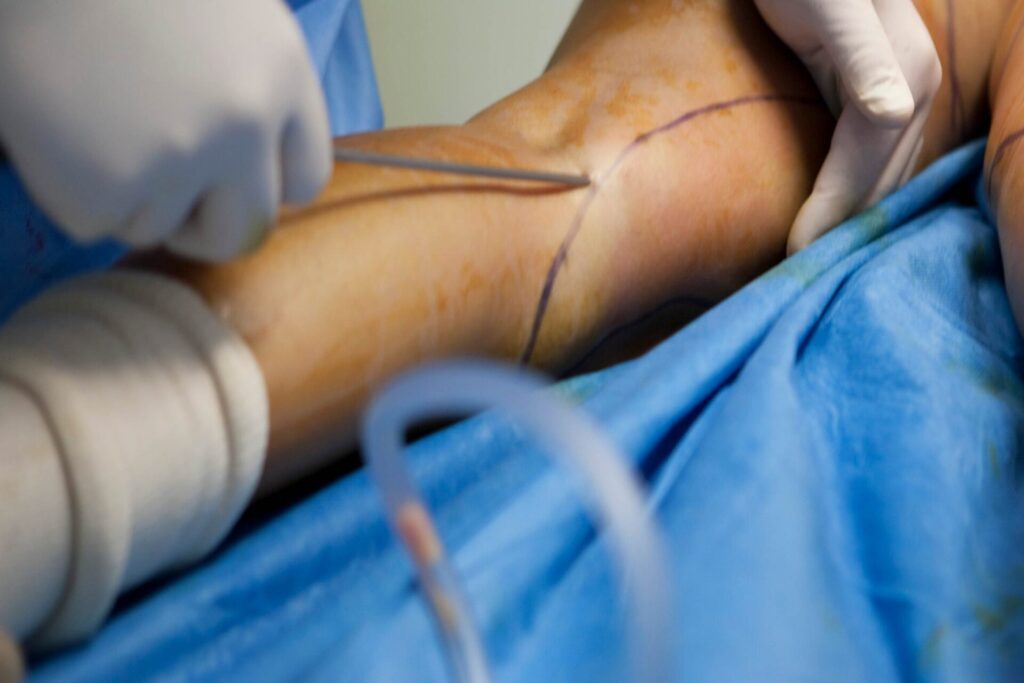
  3. Incision: A small incision is made in a concealed area which is usually the armpit. The precise location of the incision can vary based on the patient’s anatomy and desired outcome.
  4. Placement of Implants: Using specialised tools and techniques, the surgeon creates a pocket for the implant. The implants are then carefully inserted through the small incision using a special delivery device.
  5. Closure: The incision is closed with sutures, and a surgical dressing is applied. The small size of the incision typically results in minimal scarring.

Where is the Incision, and How Big Can You Go with This?

The incision is usually in the armpit. The size of the implants that can be used with Mia FemTech depends on the patient’s anatomy and the desired result. Generally, the procedure is only for a small increase in size of about a cup size. If you would like a larger increase in breast size then traditional breast augmentation or MiniAugmentation techniques would provide the desired results.

Has This Been Scientifically Approved?

The Mia FemTech technique, like other medical procedures, has to undergo rigorous scrutiny and approval processes to ensure its safety and efficacy. It is important to verify that any medical technique or device used in the procedure is approved by relevant regulatory bodies, such as the Medicines and Healthcare products Regulatory Agency (MHRA) in the UK, and the Food and Drug Administration (FDA) in the USA. Surgeons employing Mia FemTech should be highly trained and experienced in this method to ensure optimal outcomes. Some initial studies have shown early results and these include the following: The Mia Feasibility Clinical Study was a prospective study that enrolled 100 subjects between December 2020 and April 2021. In the preliminary two-year Kaplan-Meier analysis of key events, there were no reports of capsular contracture (Baker Grade III/IV) and no ruptures (suspected or confirmed). Our recommendation when considering any new device or implant is wait until there is much more established data and research. It is still very early stages for the Mia Femtech device which is why we have not started to offer this until there is much more established data.

How is it Different from a Traditional Breast Augmentation?

Mia FemTech differs from traditional breast augmentation in several key ways:

  1. Incision Size: Mia FemTech uses a significantly smaller incision compared to traditional methods, which typically require larger incisions to insert the implants. Although if you are considering small implants we would usually be able to perform this through a 3-4 cm incision.
  2. Recovery Time: Due to the less invasive nature of the procedure, patients often experience a faster recovery time with Mia FemTech. This means less downtime and a quicker return to daily activities. There are limitations with the procedure in terms of the size and plane of surgery with the FemTech implant.
  3. Scarring: The smaller incision used in Mia FemTech results in less noticeable scarring, which is in the armpit. The armpit incision is not commonly used in the UK due to the more difficult creation of a good pocket for the implant.
  4. Technology and Tools: Mia FemTech uses a diamond shaped implant which provides more projection with a smaller size. There has not been much comment about the potential risks with this shape such as rotation or flipping.

What are the Risks?

As with any surgical procedure, Mia FemTech carries potential risks and complications, although they may be reduced compared to traditional methods due to the less invasive approach. Potential risks include:

  1. Infection: There is a risk of infection at the incision site or within the breast tissue. Proper surgical techniques and post-operative care are crucial to minimise this risk.
  2. Capsular Contracture: This occurs when the scar tissue around the implant tightens, causing the breast to feel firm or look distorted. The risk is present with any breast augmentation procedure.
  3. Implant Rupture or Leakage: Implants can rupture or leak over time, which may require additional surgery to replace them.
  4. Changes in Sensation: Some patients may experience changes in nipple or breast sensation, which can be temporary or permanent.
  5. Asymmetry: There is a risk that the breasts may not be perfectly symmetrical after surgery, which may necessitate further corrective procedures.
  6. Anaesthesia Risks: As with any surgery involving general anaesthesia, there are risks related to the anaesthesia itself, including allergic reactions and complications from being under anaesthesia.
  7. Unknown Risks: Given this is a new device and procedure there are many unknowns. There is very little long term data on this so it is too early to comment if there will be additional risks associated with this procedure.

Conclusion

Mia FemTech represents a significant advancement in the field of breast augmentation, offering patients a less invasive option with potentially reduced recovery times and minimal scarring. However, like any surgical procedure, it is not without risks. The technique is in its very early stages and there is not too much scientific evidence published to report safety information. In view of this, I would caution patients seeking this as a first choice procedure. You should book a consultation with us to find out if the traditional or MiniAug breast enhancement options may be safer more established procedures for your desired results.

Blepharoplasty, commonly known as eyelid surgery, is a popular cosmetic procedure aimed at rejuvenating the appearance of the eyes. This surgery can be performed on the upper eyelids, lower e...

Blepharoplasty, commonly known as eyelid surgery, is a popular cosmetic procedure aimed at rejuvenating the appearance of the eyes. This surgery can be performed on the upper eyelids, lower eyelids, or both, and it addresses issues such as drooping eyelids, puffiness, and under-eye bags. If you’re considering blepharoplasty in the UK, understanding the costs involved is crucial for planning your surgery. We will provide a detailed overview of the factors that influence the cost of blepharoplasty and what you can expect during your journey to achieve a more youthful and refreshed appearance.

Factors Influencing the Cost of Blepharoplasty

Several elements can affect the overall cost of blepharoplasty. It’s essential to understand these factors to get a clearer picture of what you might pay for the procedure.

1. Type of Procedure

The cost of blepharoplasty varies depending on whether you are having upper eyelid surgery, lower eyelid surgery, or both. Upper eyelid surgery tends to be less expensive than lower eyelid surgery due to the complexity and duration of the latter. Combined procedures typically cost more but can be more cost-effective than having each done separately.

2. Surgeon’s Expertise and Reputation

The experience and reputation of the surgeon performing the procedure play a significant role in the cost. Highly experienced surgeons who are well-regarded in the field may charge more for their services. It’s essential to choose a surgeon with a proven track record of successful blepharoplasty surgeries, as this can significantly impact your results and overall satisfaction.

3. Geographic Location

The location of the clinic also influences the cost. Clinics in major cities like London or Manchester may charge higher fees compared to those in smaller towns or rural areas. The cost of living and operational expenses in a particular area can affect the pricing structure.

4. Clinic Facilities and Services

The quality of the clinic facilities and the range of services offered can also impact the cost. Clinics equipped with state-of-the-art technology and providing comprehensive pre- and post-operative care may charge higher fees. Additionally, clinics that offer a more luxurious environment and additional amenities may also have higher prices. You should always seek a clinic that is CQC registered.

5. Anaesthesia and Hospital Fees

The type of anaesthesia used and the associated hospital fees contribute to the overall cost. Local anaesthesia is generally less expensive than general anaesthesia. Upper eyelid lift can usually be done under a local anaesthetic. The blepharoplasty can often be combined with other procedures such as a facelift.

Typical Costs of Blepharoplasty in the UK

While the costs can vary significantly based on the factors mentioned above, we can provide some general estimates to give you an idea of what to expect.

Upper Eyelid Surgery

Upper eyelid surgery in the Manchester at CLNQ typically costs £4250. This is the price when done under local anaesthetic in our CQC registered clinics in Manchester and Knutsford, Cheshire.

Lower Eyelid Surgery

Lower eyelid surgery tends to be more expensive, with costs starting from £6,500. The higher cost reflects the more complex nature of this procedure, which often involves addressing both excess skin and fat and also that this is usually done under general anaesthetic which include hospital and anaesthetic fees.

Combined Upper and Lower Eyelid Surgery

For those opting for combined upper and lower eyelid surgery, the cost is £8,000. While this might seem steep, combining the procedures can be more cost-effective than having them done separately. This combination is usually done under a general anaesthetic which will include the hospital cost and anaesthetic fees.

Additional Costs to Consider

It’s essential to factor in additional costs that may not be included in the initial quote. These can include:

Consultation Fees

At CLNQ, we charge a consultation fee which is £100. This fee is not deducted from the total cost of the surgery.

Post-operative Care

Post-operative care is crucial for a smooth recovery. Ensure you understand what post-operative care is included in your surgery package. This can include follow-up appointments, medications, and any necessary revisions. At CLNQ, we provide the post operative as part of our price.

Choosing the Right Surgeon

While cost is an important factor, it should not be the sole determinant in choosing a surgeon for your blepharoplasty. Consider the following when making your decision:

Qualifications and Experience

Ensure your surgeon is highly qualified and has extensive experience in performing blepharoplasty. Look for a surgeon who is a member of recognised professional bodies such as the British Association of Aesthetic Plastic Surgeons (BAAPS) or the British Association of Plastic, Reconstructive and Aesthetic Surgeons (BAPRAS).

Patient Reviews and Testimonials

Research patient reviews and testimonials to get an idea of the surgeon’s reputation and the quality of their work. Positive reviews and before-and-after photos can give you confidence in your choice.

Personal Consultation

Schedule a personal consultation with the our surgeon to discuss your goals, ask questions, and ensure you feel comfortable and confident in their care. A good surgeon will take the time to explain the procedure, discuss risks and benefits, and provide realistic expectations.

Conclusion

Blepharoplasty can be a life-changing procedure, offering significant improvements in the appearance of your eyes and overall facial aesthetics. Understanding the costs involved and the factors that influence these costs is crucial for making an informed decision. Remember that while the price is important, the quality of care and the expertise of the surgeon are paramount to achieving the best possible results.

Investing in a reputable surgeon and a well-equipped clinic such as CLNQ that can provide peace of mind and ensure a smoother, more satisfying experience. By considering all the factors discussed, you can embark on your blepharoplasty journey with confidence, knowing that you are making an informed and thoughtful decision. Book your consultation with our plastic surgeons today.

The popularity of DD breasts can be attributed to various cultural, social, and aesthetic factors. Society’s standards of beauty have always been fluid, influenced by media, fashion trends, a...

The popularity of DD breasts can be attributed to various cultural, social, and aesthetic factors. Society’s standards of beauty have always been fluid, influenced by media, fashion trends, and celebrity culture. Over the years, fuller breasts have often been associated with femininity, attractiveness, and sexuality, leading to their popularity.

Cultural and Media Influence

Media plays a significant role in shaping societal standards of beauty. Magazines, television, and movies frequently portray women with larger breasts as symbols of beauty and desirability. This portrayal has ingrained the idea that larger breasts, such as DD cups, are highly attractive. Social media, such as Instagram and Tiktok, has also contributed to this trend, with influencers and celebrities often showcasing their curvy figures, thus reinforcing the desirability of larger breasts.

Fashion Trends

Fashion trends have also played a part in the popularity of larger breasts. Clothing designed to accentuate curves, such as low-cut tops and push-up bras, can make larger breasts more noticeable and desirable. The fashion industry’s focus on body-positive movements and celebrating diverse body types has also contributed to the acceptance and admiration of fuller breasts.

Psychological and Sociological Factors

Psychologically, larger breasts are often associated with fertility and femininity. This perception can lead to the belief that women with larger breasts are more attractive and desirable. Sociologically, the concept of ideal body types can vary across cultures, but in many Western societies, larger breasts have become a standard of beauty due to the influences mentioned above.

What is the Double D Bra?

A double D (DD) bra size is a common size for women with fuller breasts. Bra sizes are determined by the measurement of the bust and the band size around the ribcage. The “DD” indicates the cup size, which represents the difference between the bust measurement and the band size. Specifically, a DD cup size means there is a 5-inch difference between the band and bust measurements.

Understanding Bra Sizing

  • Band Size: This is the measurement around the ribcage, just under the bust. It is usually measured in inches.
  • Cup Size: This is the difference between the bust measurement (around the fullest part of the breasts) and the band measurement. Each inch of difference corresponds to a cup size. For example, a 1-inch difference is an A cup, a 2-inch difference is a B cup, and so on. A 5-inch difference results in a DD cup.

Importance of Proper Fit

Wearing a properly fitted bra is crucial for comfort and support. A well-fitted bra can enhance the appearance of the breasts, improve posture, and prevent back and shoulder pain. It’s essential to get measured regularly, as breast size can change due to factors like weight fluctuations, hormonal changes, and aging.

Celebrities Who Have Made DD Breasts Popular

Several celebrities have contributed to the popularity of DD breasts through their influence in media and fashion. Their visibility and openness about their body shapes have helped normalize and celebrate fuller figures.

Pamela Anderson

Pamela Anderson, famous for her role in “Baywatch,” is one of the most well-known celebrities with DD breasts. Her iconic red swimsuit and curvy figure have made her a symbol of beauty and sex appeal.

Kim Kardashian

Kim Kardashian is another influential figure who has popularized fuller breasts. Known for her curvaceous figure, Kim’s body shape has inspired many women to embrace their natural curves or seek cosmetic enhancements to achieve a similar look.

Salma Hayek

Salma Hayek, with her voluptuous figure, has been celebrated for her natural beauty and talent. Her openness about her body and confidence has made her a role model for women with fuller breasts.

Sofia Vergara

Sofia Vergara, the star of “Modern Family,” is known for her curvy figure and has often spoken about embracing her body type. Her confidence and sense of humour about her physique have made her a popular and relatable figure.

How to Get Double D Boobs

Achieving a DD cup size can be done through natural means or cosmetic surgery, depending on individual preferences and circumstances.

Breast Augmentation

Breast augmentation surgery is a common and effective way to achieve a desired breast size, including DD cups. The procedure involves the insertion of implants to enhance the size and shape of the breasts.

Types of Implants

  • Silicone Implants: These are filled with silicone gel and are known for their natural feel.
  • Saline Implants: These are filled with sterile salt water and are typically inserted empty and then filled once they’re in place. These are not widely used in the UK.

The Procedure

Breast augmentation is typically performed under general anaesthesia and involves making an incision (usually under the breast, around the nipple, or in the armpit) and placing the implant either under the breast tissue or under the chest muscle. In the UK, the incision is usually placed underneath the breast. Recovery time varies, but most patients can return to normal activities within a few weeks.

Considerations

Before opting for breast augmentation, it’s essential to consider factors such as the potential risks (e.g., infection, implant rupture, changes in nipple sensation), the cost, and the importance of having realistic expectations. Consulting with a qualified plastic surgeon is crucial to understanding the procedure, options, and expected outcomes.

Non-Surgical Enhancements

For those who prefer non-surgical methods, there are options like:

  • Push-Up Bras: These bras have padding that lifts and enhances the appearance of the breasts.
  • Breast Enhancement Creams: Some topical creams claim to enhance breast size through ingredients that stimulate tissue growth, though their effectiveness varies and lacks substantial scientific support.
  • Fat Transfer: This minimally invasive procedure involves taking fat from other parts of the body (like the abdomen or thighs) and injecting it into the breasts. It offers a more natural enhancement compared to implants.

Conclusion

The popularity of DD breasts can be attributed to cultural, media, and fashion influences, as well as psychological and sociological factors. A DD bra size represents a fuller breast size, often seen as attractive and feminine. Celebrities like Pamela Anderson, Kim Kardashian, Salma Hayek, and Sofia Vergara have played significant roles in popularizing this breast size through their public personas and media presence.

Achieving a DD cup size can be done naturally through diet, exercise, and hormonal changes, or through cosmetic surgery like breast augmentation. Each method has its considerations, and it’s essential for individuals to choose the option that best suits their body, lifestyle, and personal preferences. Book your appointment with Mr Nassab to discuss your ideal breast goals and options to achieve these.

As the quest for a youthful appearance continues to be a priority for many, understanding the various facelift techniques becomes crucial. Among the most popular and effective methods are the...

As the quest for a youthful appearance continues to be a priority for many, understanding the various facelift techniques becomes crucial. Among the most popular and effective methods are the SMAS (Superficial Musculoaponeurotic System) facelift and the deep plane facelift. Both techniques aim to restore a youthful contour to the face, but they differ significantly in their approach and results. Mr Nassab will explain the distinctions between these two facelift procedures, helping you make an informed decision about which might be best suited to your needs.

What is a SMAS Facelift?

The SMAS facelift is one of the most commonly performed facelift procedures. It targets the Superficial Musculoaponeurotic System, a layer of tissue that encompasses the muscles responsible for facial expressions. By manipulating this layer, surgeons can achieve a more natural and long-lasting lift.

How is a SMAS Facelift Performed?

  1. Incision: The surgeon makes incisions along the hairline, around the ears, and sometimes extending into the scalp. These incisions are strategically placed to minimize visible scarring.
  2. Lifting the Skin: The skin is carefully lifted to expose the underlying SMAS layer.
  3. SMAS Adjustment: The SMAS layer is then lifted, tightened, and repositioned. This step is crucial for achieving a youthful and natural look.
  4. Excess Skin Removal: Any excess skin is trimmed away.
  5. Closure: The incisions are closed with sutures, and the area is bandaged.

Advantages of a SMAS Facelift

  • Natural Results: Because the SMAS layer is adjusted, the results tend to look more natural compared to procedures that only tighten the skin.
  • Long-Lasting: The SMAS facelift offers enduring results as it addresses the deeper structural components of the face.
  • Customizable: This technique allows for significant customization, enabling the surgeon to address specific areas of concern effectively.

Considerations

  • Recovery Time: Recovery can take several weeks, with initial swelling and bruising common.
  • Skill Dependent: The success of a SMAS facelift heavily depends on the surgeon’s skill and experience.

What is a Deep Plane Facelift?

The deep plane facelift goes a step further than the SMAS facelift. This technique involves lifting and repositioning the deeper layers of the face, including the muscles, fat, and SMAS layer, in one continuous section. By doing so, it aims to provide a more comprehensive and dramatic rejuvenation.

How is a Deep Plane Facelift Performed?

  1. Incision: Similar to the SMAS facelift, incisions are made along the hairline and around the ears.
  2. Deep Layer Access: The surgeon dissects beneath the SMAS layer, accessing deeper structures of the face.
  3. Repositioning: The entire facial structure, including muscles and fat, is lifted and repositioned as a single unit. This step ensures a more unified and harmonious lift.
  4. Skin Adjustment: Unlike other facelifts, minimal skin is lifted, reducing the risk of a pulled or unnatural look.
  5. Closure: The incisions are closed with sutures, and the area is bandaged.

Advantages of a Deep Plane Facelift

  • Comprehensive Rejuvenation: By addressing deeper facial structures, this technique offers a more comprehensive and dramatic improvement.
  • Natural Appearance: The minimal skin lifting involved reduces the risk of an overly tight or unnatural appearance.
  • Longevity: Results are typically long-lasting due to the extensive nature of the adjustments made to the facial structure.

Considerations

  • Complexity: The deep plane facelift is a more complex procedure, requiring a highly skilled and experienced surgeon.
  • Recovery: Recovery time can be longer due to the extensive nature of the surgery. Swelling and bruising may be more pronounced initially.
  • Cost: This procedure tends to be more expensive than a SMAS facelift due to its complexity and the expertise required.

Key Differences Between SMAS and Deep Plane Facelifts

  1. Depth of Adjustment:
  • SMAS Facelift: Adjusts the superficial musculoaponeurotic system layer, providing significant but less extensive facial rejuvenation.
  • Deep Plane Facelift: Involves lifting and repositioning deeper facial structures, offering more comprehensive rejuvenation.
  1. Incision and Dissection:
  • SMAS Facelift: Involves more superficial incisions and dissection.
  • Deep Plane Facelift: Requires deeper dissection, affecting more structural components of the face.
  1. Results:
  • SMAS Facelift: Provides natural and long-lasting results, with moderate improvement in facial contours.
  • Deep Plane Facelift: Offers dramatic and enduring results, with a more unified lift of the facial structure.
  1. Recovery:
  • SMAS Facelift: Generally involves a shorter recovery period, though still significant.
  • Deep Plane Facelift: May have a longer recovery period due to the extensive nature of the procedure.
  1. Risk and Complexity:
  • SMAS Facelift: Considered less complex and is widely performed.
  • Deep Plane Facelift: More complex, requiring a surgeon with substantial expertise in this specific technique.

Choosing the Right Facelift for You

Deciding between a SMAS facelift and a deep plane facelift depends on several factors, including your specific aesthetic goals, the degree of facial aging, and your willingness to undergo a more complex procedure with a potentially longer recovery time. Here are some considerations to help you decide:

  • Aesthetic Goals: If you are looking for a moderate improvement with natural-looking results, a SMAS facelift may be suitable. If you desire a more dramatic and comprehensive rejuvenation, the deep plane facelift might be the better choice.
  • Facial Anatomy: Your unique facial structure and the degree of sagging or aging can influence which procedure is more appropriate.
  • Recovery Time: Consider how much time you can allocate for recovery. The deep plane facelift may require a longer downtime.
  • Surgeon’s Expertise: Ensure your chosen surgeon has extensive experience with the specific facelift technique you are considering. Both procedures require a high level of skill, but the deep plane facelift, in particular, demands considerable expertise. Mr Nassab has spent time visiting and learning the Deep Plane facelift from surgeons such as Mike Nayak and Dominic Bray.

Conclusion

Both the SMAS facelift and the deep plane facelift offer excellent options for facial rejuvenation, each with its own set of advantages and considerations. Understanding the differences between these techniques can help you make an informed decision and achieve the youthful appearance you desire. Book your consultation with Mr Nassab to discuss your options for facial rejuvenation.

What is the Most Common Bra Cup Size? The most common bra cup size can vary significantly based on geographical location, ethnicity, and changes over time due to various factors, including tr...

What is the Most Common Bra Cup Size?

The most common bra cup size can vary significantly based on geographical location, ethnicity, and changes over time due to various factors, including trends in clothing and lingerie. Historically, B cup used to be one of the most prevalent sizes, but in recent years, there has been a noticeable shift, with many women now wearing C or D cups. This change is attributed to several factors, including better bra fitting practices, changes in average body size, and the increased popularity of breast augmentation procedures.

What Are C Cup Breasts?

C cup breasts are considered moderate in size, falling between B and D cups. For many women, C cup breasts are perceived as an ideal size that offers a balance of volume and proportionality. They are often desired for their aesthetic appeal, providing a fuller shape without being excessively large.

How Much Volume is a Cup Size?

The volume of each bra cup size varies, but on average, each cup size represents an approximate increase of 150-200 cubic centimeters (cc) or millilitres (ml). Specifically, a C cup typically indicates a breast volume of about 300-400 cc per breast. It’s important to note that this volume can vary slightly depending on the bra manufacturer and style. There have been some studies that have estimated that 130-150 ml roughly equates to a cup size.

What Influences Breast Size?

Several factors influence breast size, including:

  1. Genetics: Heredity plays a significant role in determining breast size, with genetic factors influencing overall body shape and tissue distribution.
  2. Hormonal Changes: Hormones like estrogen and progesterone significantly impact breast development, particularly during puberty, pregnancy, and menopause.
  3. Body Weight: Since breasts are composed partly of fatty tissue, weight gain or loss can affect their size and shape.
  4. Age: Over time, breast tissue composition changes, often leading to variations in size and firmness.
  5. Lifestyle Factors: Exercise, diet, and overall health can influence breast size. For example, high levels of physical activity can lead to lower body fat, potentially reducing breast size.

How Are Cup Sizes Measured?

Bra cup sizes are measured using two key measurements:

  1. Band Size: The circumference of the rib cage directly under the bust.
  2. Bust Size: The circumference around the fullest part of the breasts.

To determine the cup size, you subtract the band size from the bust size. The difference in inches correlates to the cup size:

  • 1 inch = A cup
  • 2 inches = B cup
  • 3 inches = C cup
  • 4 inches = D cup

For example, if the band size is 34 inches and the bust size is 37 inches, the difference is 3 inches, resulting in a C cup.

Is the Bra Cup Size the Same in Different Shops?

No, bra cup sizes can vary between different brands and even styles within the same brand. This discrepancy is known as “vanity sizing,” where some brands might label a larger cup size as a smaller one to appeal to consumers. Additionally, the shape and structure of the bra, such as push-up, balconette, or full coverage, can affect the fit and perceived size. For this reason, we tend to avoid discussing cup sizes during your consultation as they will vary a lot between stores. Some stores such as Victoria’s Secret or Honey Birdette will often have smaller cups.

Options for Achieving C Cup Size Breasts

For those desiring C cup breasts, there are several options available:

  1. Breast Augmentation Surgery: This is a common and effective way to increase breast size. The procedure involves placing implants made of silicone or saline beneath the breast tissue or chest muscles to achieve the desired volume.
  2. Fat Transfer: This technique involves liposuction to remove fat from other parts of the body, which is then purified and injected into the breasts. This method provides a more natural feel and avoids the use of synthetic implants.
  3. Hormonal Treatments: In certain cases, hormonal therapies can influence breast size, though this is more commonly applied in transgender women undergoing hormone replacement therapy (HRT).
  4. Breast Enhancement Creams and Pills: These products claim to enhance breast size through the application of topical creams or ingestion of pills. However, the effectiveness and safety of these methods are not well-supported by scientific evidence.
  5. Natural Methods: Lifestyle changes such as weight gain or targeted exercises can sometimes increase breast size, though the results are typically less dramatic than surgical options.

A Closer Look at C Cup Boobs

C cup breasts are often considered a desirable size due to their moderate volume and proportional appearance. They offer a fuller shape without being overly large, making them a popular choice for women seeking breast augmentation. Understanding the factors influencing breast size, the measurement techniques, and the variability between different brands can help individuals make informed decisions about their lingerie and potential enhancement procedures. The Motiva Preserve is the latest advance in breast enhancement for women looking for a more natural look with quick recovery.

Breast size is a deeply personal aspect of a woman’s body, and achieving the desired size should be approached with careful consideration and professional guidance. Book your consultation with Mr Nassab to discuss your options further.

Reference

What Is the Standard Volume to Increase a Cup Size for Breast Augmentation Surgery? A Novel Three-Dimensional Computed Tomographic Approach. King, Nina-Marie M.B.B.S.; Lovric, Vedran Ph.D.; Parr, William C. H. Ph.D.; Walsh, W. R. Ph.D.; Moradi, Pouria F.R.A.C.S. (Plast. Surg.). Plastic & Reconstructive Surgery: May 2017 – Volume 139 – Issue 5 – p 1084.

The concept of beauty has intrigued humanity for centuries, and one of the most enduring mathematical formulations related to aesthetics is the golden ratio. Also known as the divine proporti...

The concept of beauty has intrigued humanity for centuries, and one of the most enduring mathematical formulations related to aesthetics is the golden ratio. Also known as the divine proportion, this ratio has been used in art, architecture, and, more recently, in plastic surgery to create pleasing and harmonious results. We explore the golden ratio, its relevance to plastic surgery, and the studies that support its application in cosmetic procedures.

 Understanding the Golden Ratio

The golden ratio, often denoted by the Greek letter phi (φ), approximately equals 1.618. It is derived from the Fibonacci sequence, where each number is the sum of the two preceding ones (e.g., 1, 1, 2, 3, 5, 8, 13, and so on). The ratio between successive Fibonacci numbers approaches the golden ratio as the numbers increase.

Mathematically, the golden ratio occurs when the ratio of two quantities is the same as the ratio of their sum to the larger of the two quantities. This proportion is often found in nature, from the arrangement of leaves on a stem to the spirals of shells and galaxies. It is also seen in the human body, where the dimensions of various body parts exhibit the golden ratio.

 The Golden Ratio in Plastic Surgery

Plastic surgeons have long sought ways to achieve aesthetic balance and harmony in their procedures. The golden ratio provides a mathematical basis for these goals. By using this ratio, surgeons can design and execute procedures that enhance facial and body symmetry, contributing to a more natural and attractive appearance.

 Facial Proportions

In facial plastic surgery, the golden ratio can be applied to various features:

– Facial Height to Width: The ideal face is said to have a height-to-width ratio close to the golden ratio.

– Eye Placement: The distance between the eyes and their placement relative to other facial features often follow this proportion.

– Nasal Aesthetics: The dimensions of the nose, including the width, length, and the nasolabial angle, can be refined using the golden ratio.

– Lips: The width and height of the lips, as well as the philtrum (the groove between the base of the nose and the top of the lip), are often adjusted to conform to the golden ratio.

 Body Proportions

For body contouring procedures, such as breast augmentation, liposuction, and tummy tucks, the golden ratio can guide the surgeon in achieving a balanced and proportionate silhouette. For example:

– Breast Augmentation: The ideal breast shape often adheres to the golden ratio, with the upper pole being smaller than the lower pole by this proportion.

– Waist-to-Hip Ratio: A waist-to-hip ratio of approximately 0.618 is often considered ideal, reflecting the golden ratio.

Studies on the Golden Ratio in Cosmetic Surgery

Several studies have explored the application of the golden ratio in cosmetic surgery, providing evidence for its efficacy in achieving aesthetically pleasing results.

 Facial Analysis and the Golden Ratio

A study published in the Journal of Cranio-Maxillofacial Surgery analyzed the faces of models and celebrities to determine if their features conformed to the golden ratio. The researchers found that individuals considered highly attractive often had facial dimensions that closely matched the golden ratio. This suggests that the golden ratio could be a useful tool in planning facial surgeries to enhance attractiveness .

 Rhinoplasty and the Golden Ratio

In rhinoplasty, the application of the golden ratio has been shown to yield superior outcomes. A study in the Aesthetic Surgery Journal assessed the nasal proportions of patients undergoing rhinoplasty. The results indicated that post-operative noses that adhered to the golden ratio were rated more aesthetically pleasing by both surgeons and laypeople .

 Breast Augmentation

Breast augmentation procedures also benefit from the golden ratio. A study in Plastic and Reconstructive Surgery evaluated the outcomes of breast augmentations performed using the golden ratio as a guide. The findings revealed that patients and surgeons were more satisfied with the results when the golden ratio was applied, as the breasts appeared more natural and proportionate .

 Body Contouring

The application of the golden ratio in body contouring, such as liposuction and tummy tucks, has also been supported by research. A study in the Annals of Plastic Surgery demonstrated that patients who underwent body contouring procedures designed with the golden ratio in mind had higher satisfaction rates and perceived their bodies as more balanced and aesthetically pleasing .

 The Role of the Golden Ratio in Modern Plastic Surgery Practice

While the golden ratio is a valuable tool, it is not the sole determinant of beauty. Each patient is unique, and individual variations must be considered. Surgeons must blend artistic intuition with scientific principles to achieve the best results.

 Consultation and Customisation

During a consultation, plastic surgeons, such as Mr Nassab, assess a patient’s features and discuss their aesthetic goals. By understanding the patient’s desires and expectations, surgeons can create a personalised treatment plan. The golden ratio serves as a guideline, but the final approach is tailored to the individual.

 Technological Advancements

Advances in technology have further refined the application of the golden ratio in plastic surgery. Computer imaging and 3D modelling allow surgeons to simulate procedures and visualise outcomes. These tools help in planning surgeries that adhere to the golden ratio, ensuring precision and predictability.

 Conclusion

The golden ratio is a timeless principle that continues to influence modern plastic surgery. By providing a mathematical foundation for aesthetic harmony, it helps surgeons achieve natural and balanced results. Studies support its application, demonstrating higher satisfaction rates and more pleasing outcomes when the golden ratio is considered. However, the golden ratio is just one aspect of the complex and nuanced field of plastic surgery. Personalisation and a holistic approach remain key to delivering the best possible results for each patient.

References

1. Popenko, N. A., et al. (2017). “Golden Ratio in the Faces of Models: Myth or Reality?” Journal of Cranio-Maxillofacial Surgery.

2. Rohrich, R. J., et al. (2019). “The Golden Ratio in Rhinoplasty.” Aesthetic Surgery Journal.

3. Persichetti, P., et al. (2018). “Application of the Golden Ratio in Breast Augmentation Surgery.” Plastic and Reconstructive Surgery.

4. Mustoe, T. A., et al. (2020). “Golden Ratio in Body Contouring: Enhancing Aesthetic Outcomes.” Annals of Plastic Surgery.

Facelift surgery, or rhytidectomy, is a popular cosmetic procedure aimed at reducing the visible signs of ageing on the face and neck. While the results can be transformative, one common conc...

Facelift surgery, or rhytidectomy, is a popular cosmetic procedure aimed at reducing the visible signs of ageing on the face and neck. While the results can be transformative, one common concern among patients is the potential for scarring. Understanding what to expect in terms of scarring can help set realistic expectations and prepare you for the post-operative healing process.

Types of Scars from Facelift Surgery

Facelift surgery involves making incisions in strategic locations to minimise visible scarring. The typical types of scars you can expect include:

1. Preauricular and Postauricular Scars: These scars are located in front of and behind the ear. The incisions usually follow the natural contours of the ear, extending into the hairline behind the ear, making them less noticeable.

2. Temporal Scars: These are made in the hairline at the temples. The goal is to lift the skin and underlying tissues to create a smoother, more youthful appearance. Temporal scars are generally well-concealed within the hair.

3. Submental Scar: In cases where neck tightening is also performed, an additional small incision may be made under the chin. This scar is typically very discreet and fades well over time.

 Factors Influencing Scar Formation

Several factors can influence the extent and appearance of scars after facelift surgery:

1. Surgical Technique: The skill and experience of the surgeon play a crucial role. A well-trained plastic surgeon like Mr Nassab will use meticulous techniques to minimise tissue trauma and ensure precise wound closure.

2. Skin Type and Genetics: Your skin’s natural healing ability and genetic predisposition to scarring will affect the final outcome. Some individuals may develop more noticeable scars due to their skin type.

3. Post-Operative Care: Proper aftercare is essential for optimal healing. Following our postoperative instructions regarding wound care, avoiding sun exposure, and not smoking can significantly impact scar formation.

4. Age: Older patients often have thinner skin with less elasticity, which may affect how well scars heal and how noticeable they are.

 Scar Healing Timeline

The healing process of facelift scars generally follows a predictable timeline:

– First Few Weeks: Initially, scars may appear red and slightly raised. Swelling and bruising around the incision sites are common during this period.

– 1 to 3 Months: The redness of the scars typically begins to fade, and they start to flatten. Swelling and bruising continue to diminish.

– 3 to 12 Months: Scars gradually become less noticeable, blending more with the surrounding skin. By the end of one year, most scars are mature, appearing as thin, pale lines.

 Minimising and Treating Scars

There are several strategies to minimise and treat scars after facelift surgery:

1. Scar Massage: Gentle massage of the scar tissue can help to soften and flatten scars.

2. Silicone Gel or Sheets: These products are often recommended to keep the scars hydrated and promote smoother healing. They can be applied once the incisions are fully closed. CLNQ offer their own brand of silicone scar gel.

3. Topical Treatments: Prescription creams containing ingredients like corticosteroids or other agents may help reduce redness and improve scar appearance.

4. Laser Therapy: Laser treatments can be effective in reducing the redness and improving the texture of scars. They work by promoting collagen remodelling in the scar tissue.

5. Microneedling: This technique involves tiny needles creating micro-injuries in the scar tissue, stimulating collagen production and improving the scar’s appearance.

 What to Avoid

To ensure your scars heal as well as possible, certain activities and habits should be avoided:

– Sun Exposure: UV radiation can darken scars, making them more noticeable. Always use a high-SPF sunscreen or wear protective clothing if you need to be outdoors.

– Smoking: Smoking impairs blood flow and can delay healing, leading to more prominent scarring.

– Excessive Movement: Strenuous activities or movements that stretch the skin around the incision sites should be avoided during the initial healing period.

 When to Contact Us Following your Surgery

If you notice any unusual changes in your scars, such as excessive redness, swelling, pain, or if the scars are not healing as expected, it is important to contact us. These could be signs of infection or other complications that may require medical attention.

 Conclusion

Scarring is an inevitable part of any surgical procedure, including facelift or deep plane facelift surgery. However, with skilled surgical techniques, proper aftercare, and modern scar management strategies, the visibility of scars can be minimised. It’s essential to have a thorough discussion with your surgeon about your concerns and to follow their post-operative care instructions diligently to achieve the best possible outcome. Remember, the ultimate goal is to enhance your appearance and confidence, and minor scars are often a small trade-off for the significant rejuvenation a facelift can provide.

Breast expansion, commonly referred to as breast augmentation or a boob job, is a popular cosmetic surgery aimed at increasing the size and enhancing the shape of the breasts. This procedure ...

Breast expansion, commonly referred to as breast augmentation or a boob job, is a popular cosmetic surgery aimed at increasing the size and enhancing the shape of the breasts. This procedure can be tailored to meet individual desires and anatomical considerations, making it a highly sought-after solution for many women. We will explore the process of breast expansion, including various techniques, costs, and considerations involved in this surgery in the UK.

 Understanding Breast Augmentation

Breast augmentation involves the use of implants or fat transfer to enhance the size and shape of the breasts. This procedure is often sought by individuals looking to improve their body contour, restore breast volume lost after weight reduction or pregnancy, or achieve better symmetry.  Breast expansion can also refer to the use of tissue expanders.  Tissue expanders are breast implants that can be filled with saline to adjust their size.

 Types of Breast Implants

1. Saline Implants: These are filled with sterile salt water. They can provide a uniform shape, firmness, and feel, and in case of rupture, the body safely absorbs the saline. These types of breast implants are rarely used in the Uk.

2. Silicone Implants: Filled with silicone gel, these implants tend to feel more like natural breast tissue. However, if they leak, the gel may remain within the implant shell or escape into the breast implant pocket.

3. Gummy Bear Implants: These are form-stable implants that maintain their shape even when the implant shell is broken. The consistency of the silicone gel inside these implants is thicker than traditional silicone gel implants.

4. Fat Transfer: Also known as autologous fat transfer, this technique involves taking fat from other parts of the body through liposuction and injecting it into the breasts.

5. Tissue Expanders : These are inflatable boob implants that are part silicone and part saline.  The saline is injected into the implant using a port which allows the breast expansion.  These are commonly used in patients with congenital asymmetry, deformities or breast cancer reconstruction.

 The Process of Breast Expansion

1. Consultation: The journey towards breast augmentation begins with a thorough consultation with a qualified plastic surgeon such as Mr Nassab. During this consultation, we will discuss your expectations, assess your anatomy, and determine the most suitable options for you.

2. Choosing the Right Implants: Patients can choose between saline, silicone, or gummy bear implants. Factors influencing this decision include desired size, feel, and any potential medical conditions. We will guide you during this process and provide you with information to make an informed decision.

3. Pre-Surgery Preparation: Prior to the surgery, patients are required to undergo a medical evaluation or preop. They may need to adjust current medications, avoid certain foods, or cease smoking. You will usually have another consultation before surgery as well to see if you have any further questions.

4. Surgical Procedure: Breast augmentation is performed under general anaesthesia. We make an incision under the breast in the or close to the crease.      After making the incision,we create a pocket either behind the pectoral muscle (submuscular placement) or directly behind the breast tissue (subglandular placement). The implant is then inserted into this pocket and positioned correctly.

5. Closing the Incisions: Once the implants are in place, the incisions are closed with sutures.  These stitches or sutures are usually dissolvable.

6. Recovery: Post-surgery, patients are monitored in a recovery area. The breasts are covered with a bandage and support bra to minimize swelling and support the breasts as they heal. Recovery instructions include how to care for the breasts, medications to apply or take orally, and when to follow up with Mr Nassab.

 Costs and Considerations

The cost of breast augmentation in the UK varies widely depending on several factors, including the surgeon’s experience, the type and size of implants used, and the location of the surgery. Costs will usually include anesthesia, operating room facilities, and post-surgery care.

 Key Considerations:

1. Health and Safety: Ensure the procedure is carried out by a qualified and experienced plastic surgeon that is on the GMC specialist register in Plastic Surgery and BAAPS member.

2. Realistic Expectations: While breast augmentation can enhance appearance, it’s crucial to have realistic expectations. Discussing desired outcomes with your surgeon can help align expectations with achievable results. Although it is helpful to see how you would like the breasts to look, we must be aware that achieving the same look will not be possible since everyone’s anatomy is different.

3. Potential Risks: As with any surgery, breast augmentation carries risks such as infection, changes in nipple or breast sensation, implant leakage or rupture, and the formation of scar tissue (capsular contracture).

4. Follow-Up: Regular follow-up visits are essential to monitor the implants and overall breast health. Implants may need to be replaced or revised over time. Implant health checks include examination and further investigations such as ultrasound and MRI scans.

 Conclusion

Breast expansion through augmentation is a highly personal decision that requires careful consideration and consultation with a qualified plastic surgeon like Mr Nassab. By understanding the process, costs, and potential risks, you can make informed decisions and achieve their desired aesthetic goals safely and effectively. For anyone considering this procedure, thorough research and clear communication with a surgeon you feel comfortable with are essential steps towards a successful and satisfying outcome.

Breast size is a topic that garners significant attention and can impact a woman’s self-esteem and body image. Many women with small boobs often wonder about the reasons behind their size and...

Breast size is a topic that garners significant attention and can impact a woman’s self-esteem and body image. Many women with small boobs often wonder about the reasons behind their size and seek potential solutions. They often describe themselves as flat chested.  We aim to provide a comprehensive understanding of the causes of small boobs and explore the options available for those who may want to make changes.

Anatomy and Development of Breasts

Breasts are primarily composed of glandular tissue, fat, and connective tissue. The size and shape of breasts can vary widely among women due to a combination of genetic, hormonal, and environmental factors. Breast development typically begins during puberty, driven by hormonal changes, particularly the increase in oestrogen and progesterone levels. The process usually completes by the early twenties, although changes can continue throughout a woman’s life due to factors like pregnancy, breastfeeding, and menopause.

Causes of Small Boobs

1. Genetics

One of the most significant factors influencing breast size is genetics. If women in a family typically have smaller breasts, it is likely that other female members will have a similar boob size. Genetic predisposition affects the distribution of fat and glandular tissue in the breasts, ultimately determining their size and shape.

2. Hormonal Influences

Hormones play a crucial role in breast development. Conditions that affect hormone levels, such as polycystic ovary syndrome (PCOS) or thyroid disorders, can impact breast size. Low levels of oestrogen during puberty can result in smaller breast development.

3. Body Weight and Composition

Breasts, commonly called tits, are composed largely of fatty tissue, so body weight and fat distribution can significantly influence breast size. Women with lower body fat percentages tend to have smaller breasts. Conversely, those with higher body fat percentages may have larger breasts.

4. Nutrition and Lifestyle

Adequate nutrition during puberty is essential for normal boob development. Malnutrition or eating disorders can hinder the growth process. Additionally, intense physical activity and low body fat levels, often seen in athletes, can contribute to smaller boob size.

5. Medical Conditions and Medications

Certain medical conditions and medications can affect boob size. For instance, hormonal imbalances caused by conditions like hypogonadism can lead to underdeveloped breasts. Some medications, including those used for birth control or hormone therapy, can also influence breast size.

6. Ageing

As women age, hormonal changes, particularly a decrease in oestrogen, can lead to a reduction in breast size and a change in shape. Post-menopausal women often experience these changes due to lower oestrogen levels.

Addressing Concerns About Small Boobs

Many women with small tits or boobs may feel self-conscious or dissatisfied with their breast size. It is important to remember that boob size does not define beauty, femininity, or worth. However, if a woman desires to enhance her breast size for personal reasons, several options are available.

Non-Surgical Options

1. Hormonal Therapy

In some cases, hormonal therapy might be considered, particularly if a hormonal imbalance is identified. However, this is typically reserved for specific medical conditions and should be discussed with your doctor.  This is not commonly used but you may notice some changes when you start or stop taking the oral contraceptive pill.  These changes in boob size are due to the hormonal changes.

2. Padded Bras and Inserts

Padded bras and inserts can provide an immediate and non-invasive way to enhance the appearance of breast size. These options can create a fuller look and boost confidence without any permanent changes.

3. Exercise

While exercise cannot increase breast size directly, strengthening the pectoral muscles beneath the breasts can enhance their appearance. Exercises such as push-ups, chest presses, and chest flies can help improve muscle tone and provide a slight lift.

Surgical Options

1. Breast Augmentation

Breast augmentation is the most popular surgical option for women seeking to increase their boob size. This is the top aesthetic surgical procedure performed in women in the UK. This procedure involves the placement of implants to enhance the size and shape of the tits.

2. Fat Transfer

Fat transfer, also known as fat grafting, involves removing fat from one part of the body (such as the abdomen or thighs) and injecting it into the breasts. This option can provide a more natural enhancement, although the increase in size is generally more modest compared to implants.  This may require a number of procedures and may be suitable if only a small increase is tit size is required.

Psychological and Emotional Considerations

The decision to alter boob size, whether through surgery or other means, is deeply personal. Women may have various motivations, ranging from aesthetic preferences to psychological well-being. It is crucial to approach this decision thoughtfully and to consider the potential physical and emotional impacts.

1. Body Image and Self-Esteem

Body image and self-esteem are interconnected with how individuals perceive their physical appearance. Small breasts can sometimes lead to feelings of inadequacy or self-consciousness. It is important to address these feelings, potentially with the support of a therapist or counsellor, to ensure that decisions about breast size are made from a place of self-acceptance rather than societal pressure.

2. Social and Cultural Influences

Social standards and cultural perceptions of beauty can heavily influence how women feel about their bodies.  We are always seeing images of celebrities such as Kim Kardashian in the media.  It is important to recognise that these standards are constantly evolving and that beauty comes in all shapes and sizes. Embracing one’s natural body and celebrating diversity can help counteract the negative impact of unrealistic beauty ideals.

Conclusion

Understanding the factors that influence boob size can help demystify why some women have small boobs and feel like they have a flat chest. While genetics and hormonal influences play significant roles, lifestyle factors, medical conditions, and ageing also contribute. For those who wish to enhance their breast size, both non-surgical and surgical options are available, each with its own considerations and potential outcomes.

Welcome to Altrincham Altrincham, a charming town in Greater Manchester, is known for its vibrant community, rich history, and excellent amenities. Situated just 8 miles southwest of Manchest...

Welcome to Altrincham

Altrincham, a charming town in Greater Manchester, is known for its vibrant community, rich history, and excellent amenities. Situated just 8 miles southwest of Manchester city centre, Altrincham offers a blend of urban convenience and suburban tranquillity. The town boasts a range of attractions, from its bustling market to beautiful parks and historic architecture, making it a delightful place to live and visit.

 Altrincham Market

One of Altrincham’s most famous landmarks is its market. Altrincham Market is a hub of activity, renowned for its food hall and diverse range of stalls. It has become a popular destination for both locals and tourists, offering everything from artisanal foods to handmade crafts. The Market House, located at the heart of the market, features a collection of independent food vendors, making it an ideal spot for food enthusiasts.

 Parks and Green Spaces

Altrincham is home to several lovely parks and green spaces, providing residents with ample opportunities for outdoor recreation. Stamford Park, with its beautiful gardens, playgrounds, and sports facilities, is a favourite among families. John Leigh Park, another local gem, offers a peaceful retreat with its picturesque landscape and well-maintained grounds.

 Education and Community

The town is also known for its excellent schools and strong sense of community. Altrincham Grammar School for Boys and Altrincham Grammar School for Girls are highly regarded institutions, contributing to the area’s reputation for quality education. The town’s community spirit is evident in its numerous local events, festivals, and active neighbourhood groups.

 Meet Mr. Reza Nassab: Expert Plastic Surgeon

Mr. Reza Nassab is a highly esteemed plastic surgeon, renowned for his expertise in cosmetic surgery. With a specialist interest in the field, Mr. Nassab performs a wide range of procedures for the face, breast, body, and skin. His reputation as one of the most sought-after cosmetic surgeons in the North West, Cheshire, and the UK speaks to his exceptional skills and dedication to patient care.

 Education and Credentials

Mr. Nassab holds a MBChB degree and has furthered his education with an MSc and MBA. He is also a Fellow of the Royal College of Surgeons (FRCS Plast), which underscores his extensive training and proficiency in plastic surgery. His commitment to continuous learning and professional development ensures that he stays at the forefront of advancements in his field.

 Holistic Approach

Mr. Nassab’s approach to cosmetic surgery is both bespoke and holistic. He believes that each patient is unique, with individual goals and anatomical considerations. During consultations, Mr. Nassab takes the time to understand his patients’ expectations and desires, discussing options specific to their needs. His philosophy is to help patients achieve realistic goals, ensuring that each treatment plan is tailored to the individual.

 Renowned Procedures

Among the many procedures he performs, Mr. Nassab is particularly well-known for breast augmentation surgery. His work has been featured on television shows such as “The Real Housewives of Cheshire” and “Olivia Attwood’s Price of Perfection,” where he has showcased procedures like the Mummy Makeover and Eyelid Lift. His celebrity clientele and their glowing testimonials further highlight his expertise and the trust he has earned in the cosmetic surgery community.

 Discover CLNQ in Knutsford

CLNQ, located in the picturesque town of Knutsford, is a state-of-the-art clinic where Mr. Reza Nassab practices. The clinic is dedicated to providing high-quality aesthetic treatments and surgical procedures in a comfortable and welcoming environment. CLNQ combines modern facilities with a team of experienced professionals, ensuring that patients receive the best possible care.

 The Facility

The clinic is equipped with the latest technology and amenities to support a wide range of cosmetic procedures. From initial consultation to post-operative care, every aspect of the patient journey is meticulously planned to ensure a seamless and satisfying experience. The facility’s modern design and soothing atmosphere contribute to a sense of relaxation and confidence for patients.

 Range of Services

At CLNQ, Mr. Nassab offers a comprehensive range of services, including:

– Facial Surgery: Procedures such as facelifts, rhinoplasty, and eyelid surgery to enhance and rejuvenate facial features.

– Breast Surgery: Including breast augmentation, reduction, and lifts to achieve the desired breast shape and size.

– Body Contouring: Procedures like liposuction, tummy tucks, and body lifts to sculpt and refine body contours.

– Non-Surgical Treatments: A variety of non-invasive treatments such as Botox, dermal fillers, and skin rejuvenation techniques.

The clinic’s commitment to excellence is reflected in its personalised approach, ensuring that each patient receives a treatment plan tailored to their specific needs and goals.

 Getting to CLNQ from Altrincham

Travelling from Altrincham to CLNQ in Knutsford is straightforward, whether you choose to drive or use public transport.

 By Car

The most convenient way to travel from Altrincham to CLNQ is by car. The journey is approximately 10 miles and takes around 20-30 minutes, depending on traffic. Here’s a simple route:

1. Head South on A56: Start by heading south on the A56 from Altrincham towards Timperley.

2. Take A538: Continue on the A56 and then take the A538 towards Hale and Wilmslow.

3. Continue to Knutsford: Follow the A538 through Hale and Ashley, and you will eventually reach Knutsford.

4. Arrive at CLNQ: Once in Knutsford, follow signs for the town centre, where CLNQ is located.

There is ample parking available at the clinic, making it easy for patients who drive.

 By Public Transport

For those who prefer public transport, several options are available:

1. Train: There are regular train services from Altrincham to Knutsford. The journey typically involves a change at Stockport or Manchester Piccadilly, with a total travel time of around 45-60 minutes.

2. Bus: Direct bus services also run between Altrincham and Knutsford. The 88 bus route operated by Arriva North West offers a convenient option, with a journey time of approximately 40 minutes.

Both the train station and bus stops in Knutsford are within walking distance of CLNQ, making public transport a viable and straightforward option for patients.

 Conclusion

Altrincham is a delightful town with much to offer, from its vibrant market to its beautiful parks and strong community spirit. For those seeking top-tier cosmetic surgery, Mr. Reza Nassab is a distinguished plastic surgeon whose bespoke and holistic approach ensures personalised and satisfying results. His practice at CLNQ in Knutsford provides a state-of-the-art environment where patients can receive high-quality care. Whether travelling by car or public transport, accessing CLNQ from Altrincham is simple and convenient, making it easy for patients to benefit from Mr. Nassab’s expertise.

If you’re considering cosmetic surgery and want to explore your options with a trusted professional, Mr. Reza Nassab and the team at CLNQ are here to help you achieve your aesthetic goals.

Unveiling Radiance

Your Consultation

Consultations involve an in-depth discussion about your desired outcomes and planning bespoke solutions to address your concerns. Mr. Reza Nassab provides consultations in Cheshire and Manchester. We are committed to delivering the highest quality of care for our patients. Mr. Reza Nassab performs consultations and procedures in Knutsford, Cheshire, and Deansgate Square, Manchester. He operates in the exclusive boutique Deansgate Hospital in Manchester. This is a state-of-the-art facility providing the best in patient care. Mr. Reza Nassab provides consultations and minor procedures at CLNQ in Deansgate Square Manchester and Knutsford Cheshire.

Get in touch

Fill out the form below, and we’ll get back to you as soon as possible. Please send me information about your services*