Generic selectors
Exact matches only
Search in title
Search in content
Post Type Selectors

|

Manchester | Cheshire

Latest News

Choosing between a breast lift (mastopexy) and breast implants (breast augmentation) is one of the most common dilemmas women face when considering breast surgery. Every week in CLNQ clinic and Deansgate Hospital, patients ask:

  • “Do I need a lift or implants?”

  • “My breasts feel empty after pregnancy—what is the right option?”

  • “Is a lift always required for sagging?”

What Is a Breast Lift (Mastopexy)?

A breast lift, or mastopexy, is a surgical procedure that lifts the breast tissue, tightens stretched skin, and repositions the nipple–areola complex. The goal is to restore a more youthful, uplifted breast shape without necessarily changing breast size. We can use your existing tissue to create some volume using the auto-augmentation technique.

What a Lift Can Achieve

  • Correct sagging (ptosis)

  • Raise and reshape the breast mound

  • Improve nipple position

  • Remove excess or loose skin

  • Restore a firmer, rounder contour

What a Lift Cannot Do

  • It cannot add volume in the upper pole on its own

  • It does not significantly increase breast size

  • It cannot stop future ageing or gravity changes

Clinical literature confirms that mastopexy improves ptosis and contour but does not replace volume lost after breastfeeding or weight loss.

What Are Breast Implants (Augmentation)?

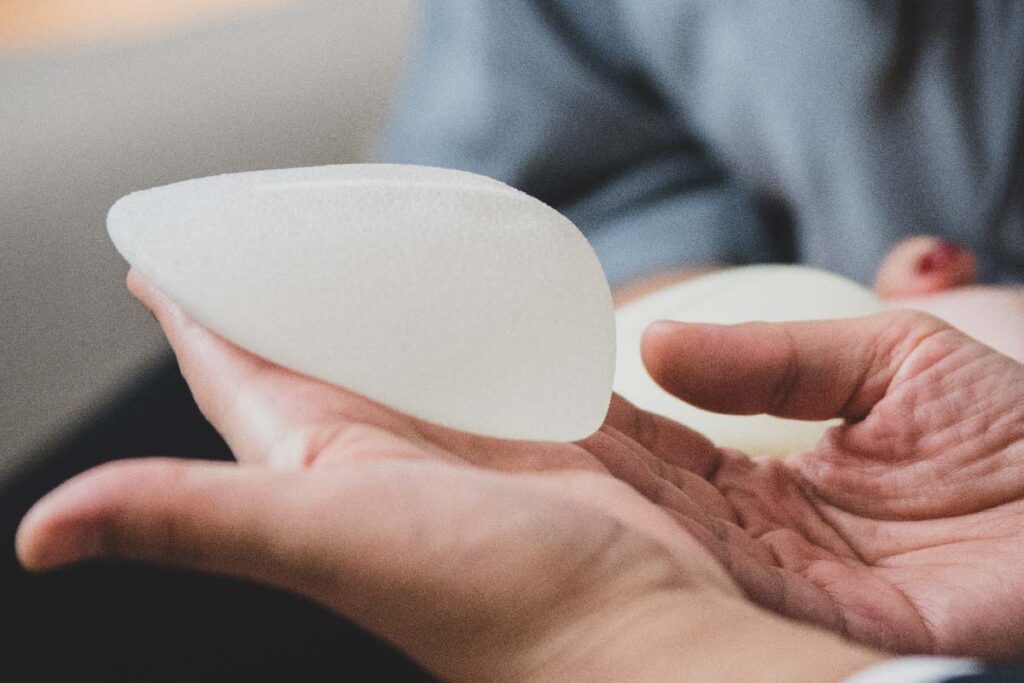
Breast augmentation involves inserting silicone implants behind the breast tissue or muscle. This treatment adds volume, enhances the cleavage area, and increases projection.

What Implants Can Achieve

  • Increase cup size

  • Restore fullness, especially deflated upper pole

  • Improve symmetry

  • Enhance shape in clothes and swimwear

What Implants Cannot Do

  • They cannot correct sagging on their own

  • They do not reposition nipples if they sit too low

  • They cannot stop future ageing changes

Published studies show implants augment size and projection but are limited in addressing ptosis unless combined with mastopexy.

Breast Lift vs Breast Implants: Clear Comparison

Feature

Breast Lift

Breast Implants

Purpose

Lift and tighten breasts

Increase size and fullness

Best for

Sagging, low nipples, stretched skin

Volume loss, flatness, small breasts

Scarring

Yes – typically around the nipple ± vertical/anchor

Minimal – crease incision

Longevity

Long lasting, but ageing continues

10–20 years depending on implant

Nipple Position

Repositioned

Unchanged unless combined with lift

Volume Restoration

Limited

Excellent

Recovery

6 weeks

4-6 weeks


How to Know If You Need a Lift, Implants, or Both

Mr Reza Nassab approaches this is a systematic way to decide and this involves three things:

  1. Degree of skin laxity

  2. Nipple position relative to the inframammary fold (IMF)

  3. Whether you want more volume

This is based on the internationally recognised ptosis grading system used in plastic surgery research.

Understanding Breast Ptosis (Sagging)

Breast ptosis is classified as:

Grade 0 – No Ptosis

  • Nipple sits above the fold

  • Breast is naturally full

  • Implants alone are usually enough

Grade I – Mild Ptosis

  • Nipple sits at the level of the fold

  • Slight sagging

  • Implants may correct this, depending on tissue quality

Grade II – Moderate Ptosis

  • Nipple sits below the fold

  • Mild skin excess

  • Lift required for natural result

  • Implants alone will not elevate nipple position

Grade III – Severe Ptosis

  • Nipple at the lowest point of the breast

  • Significant skin excess

  • Lift necessary, with or without implants

Pseudoptosis

  • Nipple is in a normal position but the lower pole is sagging

  • Common after breastfeeding

  • Implants or lift depending on goals

These classifications are standard across surgical literature and help determine suitability for augmentation vs mastopexy.

Do You Need a Lift or Implants?

  1. Are you happy with your breast size?

    • Yes → Go to Step 2

    • No → You may need implants

  2. Is your nipple sitting below the fold?

    • Yes → A lift is required

    • No → Go to Step 3

  3. Do your breasts feel empty or deflated at the top?

    • Yes → Implants recommended

    • No → A lift alone may be enough

  4. Do you want a fuller upper pole (push-up bra look)?

    • Yes → Implant or lift + implant

    • No → Lift alone

When a Breast Lift Alone Is the Best Option

A breast lift is usually the right treatment when:

  • You have sagging or drooping

  • Your nipples point downward

  • Your areola has stretched

  • You like your breast size but not the shape

  • You do not want implants

  • You want a more natural, perkier breast without extra volume

A mastopexy reshapes rather than enlarges the breast.

autoaugmentation breast lift before and after

When Breast Implants Alone Are the Best Option

Implants are the better choice when:

  • You want to increase breast size

  • You have lost volume after pregnancy or weight changes

  • Your breasts look “empty” at the top

  • You have good nipple position

  • You want more projection or cleavage

  • Your skin has mild laxity only

In patients with mild ptosis, implants can create the appearance of lift by adding projection.

When You Need Both: The Augmentation-Mastopexy

Sometimes the best result comes from combining implants with a breast lift.

Ideal for:

  • Significant sagging with loss of volume

  • Nipples below the fold + flat upper pole

  • Desire for a larger cup size

  • Post-pregnancy and post-weight-loss cases

Augmentation-mastopexy corrects shape, nipple position, and volume at the same time.

Augmentation Mastopexy before and after

Scars, Recovery, and Longevity

Scarring

  • Breast lift: around the nipple, vertical line, sometimes anchor

  • Implants: a small scar in the breast fold (around 4–5 cm)

  • Combined surgery: lift scars + implant incision, often blended into one

Over time, most scars fade and soften.

Recovery

  • Implants: 1–2 weeks for normal activities

  • Lift: 2–3 weeks for normal activities

  • Combined: 2-3 weeks for normal activities

  • Gym: usually after 6 weeks

  • Underwire bras: after 6–8 weeks

Longevity

  • Breast lifts: long-lasting but ageing continues

  • Implants: typically 10–20 years depending on the device

  • Combined: similar timelines, but results depend on skin quality, weight changes, and pregnancies

Risks and Complications

All breast surgeries carry general risks such as:

  • Infection

  • Bleeding

  • Haematoma

  • Seroma

  • Scarring

  • Changes in nipple sensation

Lift-Specific Risks

  • Temporary numbness

  • Delayed wound healing

  • Asymmetry

  • Recurrent ptosis over time

  • Nipple necrosis

Implant-Specific Risks

  • Capsular contracture

  • Implant malposition

  • Rippling (especially in thin patients)

  • Need for future replacement

  • Rare risks such as BIA-ALCL with textured implants

Before & After: What Results to Expect

Breast Lift Results

  • Perkier, higher breasts

  • More youthful shape

  • Areola refinement

  • More balanced contour

  • No major change in volume

Implant Results

  • Larger, fuller breasts

  • Improved upper-pole fullness

  • Cleavage enhancement

  • More rounded silhouette

Combined Results

  • Lifted breasts with enhanced volume

  • Restored post-pregnancy shape

  • More dramatic transformation

FAQs Do I Need a Breast Lift or Breast Implants?

Do implants fix sagging breasts?

Implants alone can improve mild sagging by adding projection, but they cannot reposition the nipple. Moderate to severe ptosis requires a lift.

Can I avoid a lift if I choose larger implants?

This is not recommended. Oversized implants can worsen sagging and cause faster stretching of the breast tissue.

Will a lift make my breasts smaller?

A lift does not remove significant breast tissue, but reshaping can make the breasts appear slightly smaller because they are firmer and more compact.

Can you do a lift and implants at the same time?

Yes. A combined augmentation-mastopexy is commonly performed and allows correction of both volume and shape.

How long does a breast lift last?

Most results last many years, but ageing, pregnancy, and weight changes can affect longevity.

How do I know for sure which option I need?

A consultation with Mr Nassab plastic surgeon Manchester is essential. Measuring nipple position relative to the breast fold and assessing tissue quality are key factors.

Introduction

In recent years the debate around aesthetic (cosmetic) breast surgery has largely focused on the physical changes in appearance — size, shape, symmetry. What is sometimes overlooked is the broader health-related impact of such surgery: functional improvements, psychological wellbeing, quality-of-life enhancements. In this landmark article published as part of the BAAPS special supplement, Mr Reza Nassab, plastic surgeon Manchester and BAAPS council member, presents an evidence-based overview of the health benefits associated with aesthetic breast procedures — including augmentation, reduction, and tuberous breast correction. Not only is this pivotal for surgeons and patients alike, but it also underscores why cosmetic breast surgery is not purely “vanity” but can confer legitimate health advantages.

Why a Special Supplement on Health Benefits?

This article appears in a section of the Aesthetic Surgery Journal titled “Medical & Health Benefits of Aesthetic Surgery”, a dedicated collection within the BAAPS supplement. As the introductory paper to the series notes, the goal is to equip both surgeons and patients with evidence about how aesthetic procedures deliver more than just cosmetic improvements.  Our article specifically examines the breast surgery domain.

What the Article Covers

In the paper Mr Nassab reviews the latest literature regarding aesthetic breast surgery — focusing on two principal procedures:

We discuss not only the aesthetic outcome, but also functional, psychological and emotional benefits.  Below are the key themes and take-away points which I believe are of importance for patients and professionals alike.

Key Benefit Areas

1. Functional / Physical Benefits

Often, breast surgery has tangible physical benefits beyond appearance. Examples include:

  • Relief of back, shoulder or neck discomfort in patients with overly large or heavy breasts.

  • Improved posture and mobility when the breast burden is reduced.

  • Correction of asymmetry or deformity (for example tuberous breasts) which may interfere with comfort, self-image or even clothing fit.

  • In augmentation cases, restoration of volume loss (after pregnancy or weight change) which may reduce skin laxity or improve physical comfort.

These physical benefits are frequently mentioned in the literature and are validated in the review. Indeed, one of the article’s premises is that aesthetic breast surgery should be seen as more than skin-deep. 

2. Psychosocial & Emotional Benefits

Perhaps the most compelling aspect of the article is the discussion of psychological health and quality of life. The data show that women undergoing aesthetic breast surgery report improvements in:

  • Body image and self-esteem

  • Social confidence and willingness to engage in activities previously avoided

  • Reduction in anxiety and depressive symptoms connected to dissatisfaction with breast appearance

  • Improved sexual well-being and lifestyle satisfaction

The article emphasises that while these benefits are not guaranteed for every patient, they are substantial, measurable, and should be included in the consent and counselling discussion. 

3. Long-term Health & Wellbeing

Another interesting point brought out in the paper is that well-performed aesthetic breast surgery can contribute to long-term health and wellbeing by virtue of allowing patients to engage more fully in physical activity, enjoy improved ergonomic comfort, and reduce compensatory habits (such as avoiding certain types of exercise or clothing). The article highlights that such secondary effects should not be forgotten when assessing the value of the procedure. 

4. Evidence Base & Gaps

A responsible surgeon must acknowledge that the evidence is still evolving. In the paper we discuss:

  • What the current studies show: many are retrospective, variety of methodologies, mixed follow-up durations.

  • Where evidence is robust (e.g., reduction mammaplasty for symptomatic macromastia) and where more data are needed (e.g., very long-term psychosocial trajectories after augmentation).

  • The need for standardised outcome measurement, registries, and prospective studies to strengthen the conclusions.

One takeaway: aesthetic breast surgery carries health benefits, but patient selection, technique, and follow-up matter.

health benefits of aesthetic breast surgery

Why This Matters for Patients

When you are considering breast surgery — whether enlargement, reduction or correction of a congenital deformity — it’s important to view it holistically. Here’s why the findings in the article are relevant:

  • They reinforce that the decision is not purely cosmetic. If you have physical symptoms (e.g., back/neck pain) or psychological distress tied to your breast appearance, surgery may deliver meaningful relief.

  • In your consultation, ask your surgeon about not just the aesthetic result, but also anticipated functional and psychosocial outcomes.

  • Because technique and surgeon experience affect outcomes, it underscores the value of choosing a board-certified, experienced specialist (see later on why choosing me matters) who will tailor surgery to your anatomy and goals.

  • Understanding the evidence helps set realistic expectations. Benefits are real, but they depend on good planning, adherence to after-care, and realistic goals.

Highlights from the Article 

Here are some of the salient bulleted points from the journal review:

  • Aesthetic breast surgery remains one of the most commonly performed cosmetic surgical procedures worldwide. 

  • Reduction mammaplasty has among the strongest evidence base for improving physical symptoms and quality of life in women with macromastia.

  • Breast augmentation (when appropriately indicated) can lead to improved body image, self-esteem and sexual well-being.

  • Correction of tuberous breasts — often overlooked in the literature — can yield both aesthetic and psychosocial gains.

  • Despite the benefits, not all studies measure functional outcomes (such as pain relief or mobility) or prolonged psychological follow-up; hence there is a call for better data.

  • Surgeons must integrate outcomes-based counselling into practice — explaining to patients the full range of potential benefits (and risks) before surgery.

  • Outcome measurement tools (e.g., validated patient-reported outcome measures) are more frequently used but require wider adoption.

Conclusion

The article “The Health Benefits of Aesthetic Breast Surgery” – part of the BAAPS supplement in Aesthetic Surgery Journal – represents a meaningful shift in how we view cosmetic breast surgery. It is no longer just about looks; the data show that well-performed aesthetic breast surgery can have measurable benefits on physical symptoms, psychological wellbeing and quality of life.

For patients considering breast surgery, this means it is entirely reasonable and appropriate to ask: “What benefits might I gain beyond aesthetics?” And to discuss openly with your surgeon: physical comfort, lifestyle improvement, body-image enhancement, realistic outcomes, long-term planning.

For surgeons, it means that in the consultation we must integrate evidence-based counselling about these broader health benefits — and in our practice strive to measure outcomes, share data and continue to refine protocols and techniques.

References

Nassab R, Ho-Asjoe M. The Health Benefits of Aesthetic Breast Surgery. Aesthet Surg J. 2025;45(Supplement 2):S40-S46. DOI:10.1093/asj/sjaf093. 

Introduction: Wilson P. Medical & Health Benefits of Aesthetic Surgery. Aesthet Surg J. 2025;45(Supplement 2):S33-S39. 

If you love the sleek, athletic look of a dancer’s body and want your breasts to look naturally perky, compact, and in proportion, then ballerina breast augmentation may be exactly what you’re looking for. Sometimes called yoga boobs, a mini boob job, or miniaug, this approach focuses on creating a soft, natural upper-pole contour with a narrower base width and balanced projection. The result is a beautifully proportioned breast that looks elegant in activewear, swimwear, and evening outfits — without appearing overdone or “augmented.”

At CLNQ in Manchester and Cheshire, our consultant plastic surgeon, Mr Reza Nassab MBChB, MSc, MBA, FRCS (Plast), offers highly individualised breast augmentation treatments designed to achieve this refined, natural aesthetic. Below we explain what the ballerina style is, who it’s for, how it’s performed, and why it has become one of the most sought-after styles among women who want a graceful, athletic look.

What Is Ballerina Breast Augmentation?

“Ballerina” breast augmentation describes a style of result rather than a specific implant type or brand. The look is inspired by the delicate proportions of dancers — slim, sculpted, and naturally balanced. The goal is to enhance the breasts in a way that complements an athletic frame, maintaining elegance and harmony rather than excessive volume.

In a ballerina breast augmentation, the surgeon aims to:

  • Keep the breast base narrow to match a petite or athletic chest wall.

  • Create a youthful nipple position with subtle upper-pole fullness.

  • Maintain natural side-boob and avoid excessive lateral fullness.

  • Preserve mobility and comfort for women who live active lifestyles, such as yoga, running, and Pilates.

This style often uses smaller or moderate-volume implants that produce soft, natural curves while keeping everything in proportion.

Who Is It For?

Ballerina breast augmentation is perfect for those who want to enhance their breasts in a refined, understated way. You may be an ideal candidate if:

  • You have a slim or athletic build and want your breasts to look elegant rather than large.

  • You prefer a natural silhouette that fits comfortably in everyday clothing and sportswear.

  • You want to restore volume lost after pregnancy or weight changes without appearing “augmented.”

  • You lead an active lifestyle and value comfort and mobility.

  • You appreciate a look that ages gracefully and stays proportionate over time.

This approach suits patients who feel that traditional breast augmentations can sometimes look too full or wide for their body shape.

The Aesthetic Blueprint: Proportion, Projection and Pole Ratio

Every ballerina augmentation is tailored to the individual, but the aesthetic philosophy remains the same — it’s all about proportion and harmony. The upper and lower poles of the breast should complement each other, the cleavage should be softly defined, and the projection should feel balanced.

A well-planned ballerina result typically features the right profile, narrow base width, and natural slope from the upper chest to the nipple. During consultation at CLNQ Manchester, Mr Nassab takes detailed measurements of your chest wall, breast footprint, and tissue elasticity. These measurements help determine which implant dimensions — not just volume — will achieve the best result for your body.

Choosing the Right Implant for the Ballerina Look

Motiva Preservé and Advanced Gel Implants

Many ballerina-style augmentations use Motiva Preservé implants. These advanced implants have a soft, cohesive gel that retains shape while maintaining a natural feel. They are especially suited to slimmer patients, as they reduce visible rippling and maintain a gentle, natural upper-pole slope.

Profile and Base Width

Most ballerina patients choose demi or moderate-plus profiles, which provide elegant projection without extending too far laterally. The key is to match the implant’s base width to your chest, keeping your silhouette sleek and balanced. Some may prefer a full or high profile which can still look natural if the size is correctly chosen.

The MiniAug Approach

Smaller implant volumes — often in the 200 to 300cc range — are popular for ballerina augmentations. However, this depends entirely on your existing breast tissue, frame, and desired change. The focus is always on harmony, not numbers.

Surgical Technique: Placement and Incision

At CLNQ, Mr Nassab typically performs ballerina breast augmentations using a dual-plane technique, where the upper part of the implant sits under the pectoral muscle and the lower part beneath the breast tissue. This approach helps soften the upper-pole contour, reduce visible edges, and achieve a more natural slope. The Motiva Preserve is performed over the muscle but uses Ergonomix 2 implants which are more natural.

The incision is usually placed in the inframammary fold (the crease beneath the breast), as this provides optimal control for implant positioning and a well-hidden scar. Meticulous attention is given to creating a symmetrical, stable pocket that keeps the implant centred for the most natural result.

Mini Boob Job Under Local Anaesthetic

For selected patients, ballerina augmentation can sometimes be performed as a mini boob job under local anaesthetic. This approach uses smaller implants and is suitable for those seeking subtle enhancement with faster recovery and minimal downtime. It’s not right for everyone, but it can be an excellent option for those who want a more comfortable, awake experience.

Ballerina vs Traditional Breast Augmentation

While both involve breast implants, the goals and aesthetic outcomes differ significantly.

Feature

Ballerina Augmentation

Traditional Augmentation

Style

Elegant, natural, athletic

Varies – natural to dramatic

Volume

Smaller, moderate

Full range

Base Width

Narrow, footprint matched

Can be wider

Cleavage

Defined but natural

Can be fuller or closer

Upper Pole

Soft, gradual slope

Often more pronounced

Best For

Active, petite, balanced look

Broader goals, fuller results


If you’ve ever felt that traditional augmentations looked “too much,” the ballerina approach provides a graceful, proportionate alternative.

The Consultation Process at CLNQ Manchester

Your consultation with Mr Nassab is an in-depth, collaborative experience.

First, we’ll discuss your goals, lifestyle, and the type of look you want to achieve — including reviewing before-and-after photos that reflect the ballerina style. Next, detailed measurements and sizing are used to select the implants that best fit your frame. You’ll have the opportunity to try on sizers, review implant options like Motiva Preservé, and see how different volumes affect your shape.

Finally, we’ll discuss the surgical plan, anaesthetic options, recovery process, and realistic outcomes. You’ll leave with a clear understanding of every step of your journey.

The Procedure

The procedure usually takes around 60 to 90 minutes. Most patients have general anaesthesia, although small-volume cases may be performed under local anaesthetic with Motiva Preserve.

An incision is made beneath the breast fold, and a precise pocket is created to house the implant. Once positioned, the area is carefully closed with dissolvable sutures. A surgical support bra is placed immediately after surgery, and you can usually return home the same day.

Recovery and Aftercare

Recovery from ballerina breast augmentation is often quicker and more comfortable than traditional augmentation, thanks to the smaller implant size and refined technique.

  • Days 1–3: You may experience tightness and mild swelling. Pain relief will help, and gentle walking is encouraged.

  • Week 1: Most people can return to light work or desk-based tasks.

  • Weeks 2–3: You’ll feel more comfortable performing daily activities, though still avoid heavy lifting.

  • Week 4: Light cardio exercise may resume with Preserve, traditional augmentation may need 6 weeks.

  • Weeks 6–8: You can return to yoga, Pilates, and full gym routines once cleared.

  • 3–6 months: The implants settle naturally, with final results visible around this time.

You’ll have regular follow-ups to ensure you’re healing well and achieving the aesthetic outcome discussed.

Risks and Safety

As with all surgical procedures, there are risks. These include bleeding, infection, asymmetry, implant malposition, changes in sensation, capsular contracture, and the need for future revision.

At CLNQ, we minimise risks through meticulous planning, advanced surgical technique, and close aftercare. We only use premium implants from reputable manufacturers, and our facilities are CQC-registered for the highest standards of care.

Cost and Finance Options

The cost of ballerina breast augmentation varies depending on factors such as implant type (e.g., Motiva Preservé), anaesthetic choice, and surgical complexity. After your consultation, you’ll receive a personalised fixed-price quote. We also offer flexible finance plans, making it easier to spread the cost of your procedure.

Why Choose Reza Nassab Manchester Plastic Surgeon for Your Ballerina Augmentation

CLNQ is one of Manchester’s leading clinics for cosmetic and wellness treatments. When you choose us, you benefit from:

  • Consultant-led care by a fully accredited plastic surgeon, Mr Reza Nassab FRCS (Plast).

  • Tailored planning to ensure your results complement your anatomy and lifestyle.

  • Access to advanced implants like Motiva Preservé for natural, refined outcomes.

  • Discreet luxury clinics in Manchester and Cheshire with exceptional aftercare.

  • Experience with athletic and lifestyle-focused patients, ensuring your results look and feel natural.

Yoga Boobs vs Ballerina Boobs

Although the terms are often used interchangeably, there are subtle differences. Yoga boobs usually refer to very natural, subtle augmentations designed to look great in sportswear, while ballerina boobs add a touch more projection and a classical, symmetrical shape. Both styles are natural and feminine, designed to enhance without exaggeration.

Fat Grafting and Hybrid Options

For patients seeking the softest, most natural result, fat grafting can be combined with implants. This technique smooths transitions and reduces visible implant edges, particularly in slim patients. It can also be used to fine-tune symmetry or enhance upper-pole fullness.

Long-Term Results

Since ballerina augmentation focuses on proportion and moderate sizing, results tend to age gracefully. Proper implant choice, pocket control, and tissue respect mean you can enjoy your new shape for many years. While implants don’t last forever, modern designs such as Motiva Preservé offer improved longevity and safety.

Key Takeaways

Ballerina breast augmentation is all about balance, proportion, and elegance. It’s ideal for women who want a natural enhancement that suits an active lifestyle. Using modern implants, refined surgical technique, and expert planning, Mr Nassab can help you achieve the subtle, timeless look you’ve always wanted.

FAQs

Is ballerina breast augmentation only for petite patients?

No, this technique can be adapted for anyone who prefers a subtle, athletic result. It’s about achieving harmony with your body shape, not size.

What cup size will I be after surgery?

We don’t plan surgery based on cup sizes, as they vary by brand and band size. Instead, we focus on dimensions and proportions. Most patients go up by one to two cup sizes.

Will the results look natural?

Yes. The combination of implant profile, size and plane will produce soft, believable results with elegant cleavage.

Can I exercise after surgery?

Yes. Once you’ve recovered and been cleared, you can resume all physical activity, including yoga, running, and gym workouts.

What if my breasts are uneven?

Mild asymmetry is normal. We can use different implant sizes or subtle adjustments to improve balance.

How long do implants last?

Implants don’t have a fixed lifespan but may eventually need replacement. Regular follow-ups help monitor your long-term results.

Is Motiva Preservé right for me?

Motiva Preservé is a high-quality option for many patients. We will compare various implants to find the one that best matches your goals.

What are the main risks?

Risks include infection, bleeding, implant malposition, rippling, and capsular contracture. We minimise risks through careful planning and strict hygiene protocols.

Can I have it under local anaesthetic?

In some cases, yes. A mini boob job using local anaesthetic and Motiva Preserve is suitable for selected patients seeking smaller enhancements.

How much does it cost in Manchester?

Prices vary depending on implant type, anaesthetic, and complexity. A personalised quote will be provided after consultation, with finance options available. Motiva Preserve is from £9500 and the MiniAug from £7500.

Ready to begin your journey?

If you want elegant, natural-looking results that reflect your lifestyle, book a consultation with Mr Nassab today. We will help you design a ballerina breast augmentation that enhances your confidence and complements your body beautifully.

Looking for a way to enhance your breasts without the downtime and invasiveness of traditional surgery? The so-called 15 min boob job—also known as a mini boob job, MiniAug, or 15 mins breast enlargement—is an innovative approach to breast enhancement designed to achieve natural results in a shorter time under local anaesthetic. At CLNQ Deansgate Hospital in Manchester, Mr Reza Nassab Consultant Plastic Surgeon offer breast enhancemenst using the latest breast-preservation techniques and devices, such as the Motiva Preservé. This approach focuses on achieving elegant, natural results with minimal trauma and faster recovery.

What Is the 15 Min Boob Job?

The term “15 min boob job” has become popular in the media to describe a minimally invasive breast enlargement procedure. Rather than relying on traditional general anaesthetic and larger incisions, this approach uses local anaesthetic, smaller incisions, and refined surgical tools to minimise tissue disruption. The procedure aims to create a natural, proportionate result in a shorter operating time, typically allowing patients to return home the same day.  The Mia Femtech has often been referred to as the 15 min breast augmentation since it was the first technique to offer a minimally invasive approach.  The same manufacturer have since the Motiva Preserve which uses many of the same principles as the Mia Femtech.

At Reza Nassab Plastic Surgery, this philosophy aligns closely with the concept of breast preservation. This means maintaining the integrity of your natural breast tissue wherever possible, reducing trauma during implant placement, and focusing on long-term soft tissue health.

Although the phrase “15 minutes” makes for catchy marketing, in reality the exact duration of surgery will depend on your anatomy, implant size, and surgical plan. Our focus is always on precision and safety, not speed.  The overall procedure usually takes about 45-60 minutes due to preparation and local anaesthetic infiltration.  The actual implant insertion does take about 15 minutes hence the term.

Who Is a Good Candidate for a Mini Boob Job?

The 15 min or mini boob job approach is designed for individuals seeking subtle to moderate enhancement rather than a dramatic transformation. It is ideal for:

  • Patients who want a natural, proportionate result with gentle upper pole fullness.

  • Those who have good skin tone and minimal sagging (ptosis).

  • Individuals who prefer local anaesthetic or light sedation instead of general anaesthetic.

  • Patients looking for smaller scars and a quicker recovery.

This approach may not be suitable for women with significant sagging, large asymmetry, or those seeking substantial volume increases. In these cases, a traditional augmentation or breast uplift (mastopexy) may be recommended. We personalise every plan to your anatomy and goals to ensure safe, long-lasting results.

How Does the Mini Boob Job Work?

Your journey begins with a comprehensive consultation. During this appointment, we will assess your chest measurements, tissue quality, and goals. We will discuss the range of implant types, sizes, and profiles, and determine the best placement—either subglandular, subfascial, or dual plane—depending on your anatomy.

On the day of your procedure, you will be given local anaesthetic and possibly light sedation for comfort. A small incision—often around 3 cm—is made, usually hidden in the inframammary fold (under the breast crease). Through this small access point, a precise pocket is created using refined instruments. The implant is then inserted using a no-touch technique, often with low-friction delivery systems to reduce trauma to surrounding tissues.

This breast-preserving approach is designed to minimise swelling, bruising, and recovery time while achieving a smooth, natural contour. Most patients can return home within an hour or two and resume light activities within a few days.

Motiva Preservé and Breast Preservation

The Motiva Preservé concept is based on protecting the soft tissues of the breast. It incorporates atraumatic tools and low-friction insertion methods that allow implants to be placed with minimal disturbance to existing tissues. This gentle technique may help reduce discomfort and shorten recovery time, while maintaining the natural integrity of the breast. The pocket is created using a special expander rather than surgical cautery.

We incorporate breast-preservation techniques wherever possible. Our goal is to ensure that your surgery is not only aesthetically successful but also kind to your tissues—a key factor in achieving the best long-term results.

Motiva Preserve before and after

15 Minute Boob Job vs Traditional Breast Augmentation

A 15 minute boob job differs from a traditional breast augmentation in several ways:

  • Anaesthesia: Usually performed under local anaesthetic with optional sedation, rather than general anaesthesia.

  • Incision Size: Smaller incisions (3 cm) compared to traditional techniques.

  • Tissue Handling: Less invasive and focuses on preservation.

  • Recovery Time: Faster return to work and daily activities.

  • Ideal Candidates: Best suited for those seeking a subtle to moderate enhancement.

  • Trade-offs: May not be suitable for significant enlargement or lifts.

While the 15 minute boob job offers convenience and reduced downtime, the traditional approach remains the gold standard for patients seeking larger or more transformative results.

Results You Can Expect

Most patients who choose this approach want to maintain a natural appearance with subtle improvements in volume, contour, and symmetry. The 15 min boob job can achieve:

  • A soft, natural breast shape.

  • Gentle upper pole fullness without exaggerated roundness.

  • Improved balance between breasts.

  • Minimal scarring and a refined recovery experience.

Results continue to evolve over several weeks as the tissues settle. Final results are typically visible around  6 to 12 weeks after surgery.

Safety and Risks

Although the 15 min boob job is less invasive than traditional surgery, it still carries some degree of risk. Possible complications include:

  • Bleeding or haematoma.

  • Infection.

  • Asymmetry or implant malposition.

  • Changes in nipple sensation.

  • Capsular contracture.

  • Poor scarring or delayed healing.

Your safety is our top priority. We employ strict sterile protocols, advanced implant-handling techniques, and thorough follow-up care to minimise these risks. During your consultation, we will discuss the benefits, risks, and alternatives in full.

Recovery Timeline

Recovery after a mini boob job is generally faster than with a full breast augmentation. Most patients experience mild discomfort for a few days, which can be managed with simple pain relief.

  • Days 1–3: Rest, limited activity, and continuous use of a support bra.

  • Days 3–7: Most patients can return to desk-based work or light activities.

  • Weeks 3-4: Gradual resumption of light exercise (avoid upper-body workouts).

  • Weeks 4–6: Return to full activities and gym sessions as advised.

  • 8–12 weeks: The breasts settle into their final shape and position.

Costs and Finance Options

The cost of a 15 min boob job in Manchester starts from £9500 for the Motiva Preserve. Prices include your surgical procedure, implants, hospital fees, and aftercare.

We provide transparent, fixed-price packages and offer finance options to help you spread the cost over manageable monthly payments. You will receive a detailed quotation after your consultation.

Alternatives to a Mini Boob Job

For patients who are not ideal candidates for a mini boob job, there are several alternative treatments:

  • Traditional Breast Augmentation: For larger volume changes or more complex cases.

  • Breast Uplift (Mastopexy): To correct sagging and restore youthful contour.

  • Fat Transfer to Breasts: For subtle enhancement using your own fat tissue.


Frequently Asked Questions

Is the 15 min boob job really completed in 15 minutes?

The term refers to a streamlined, minimally invasive approach. While the procedure is faster than traditional surgery, your total treatment time will vary depending on your individual plan. Our focus is always on safety and precision, not speed. The overall procedure time is likely to be about 45-60 minutes.

Will I be awake during the procedure?

Yes, most patients undergo the mini boob job under local anaesthetic with the option of light sedation. You will be comfortable and relaxed throughout.

How much bigger can I go?

The mini boob job is ideal for subtle to moderate enhancement. For larger size increases, traditional breast augmentation is more suitable. The Motiva Preserve maximum volume is about 320-330cc.

What type of implants are used?

We use high-quality, CE-marked and FDA-approved implants such as Motiva and Mentor.

Are the scars smaller?

Yes, incisions are typically around 2.5–3 cm and carefully placed in natural creases for minimal visibility.

How soon can I return to work or exercise?

Most patients return to work within a few days and can resume full exercise after 4–6 weeks.

What are the risks?

All breast surgery carries risks including infection, bleeding, implant malposition, and capsular contracture. Minimally invasive methods aim to reduce these risks but cannot eliminate them completely.

How long do results last?

Implants are not lifetime devices, but with good care, results can last many years. Factors such as ageing, pregnancy, and weight changes will naturally influence your breast shape over time.

How much does a mini boob job cost in Manchester?

The price for a boob job in Manchester is from £7500 although the Motiva Preserve is £9500.

Book Your Consultation

If you are considering a mini boob job, 15 min breast enlargement, or are curious about Motiva Preservé and breast preservation, book a consultation with Mr Reza Nassab Manchester or Cheshire today.

To arrange your consultation, call 0800 058 4558.

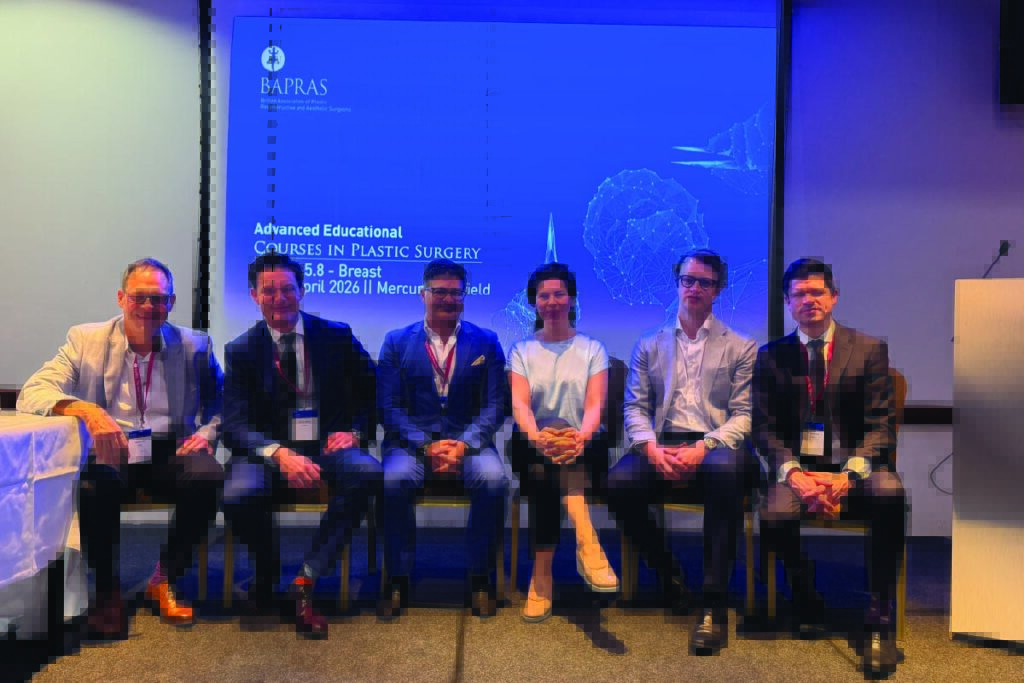
Mr Reza Nassab, Honorary Treasurer and Council Member of the British Association of Aesthetic Plastic Surgeons (BAAPS), attended the BAAPS Annual Scientific Meeting 2025 in London. The event took place on 2–3 October 2025 at Kings Place and brought together leading aesthetic plastic surgeons from across the UK and around the world.

As Treasurer and Council Member, Mr Nassab plays a vital role in the governance and future direction of BAAPS. His work ensures the Association continues to uphold the highest standards of patient safety, surgical innovation and professional education. The theme for this year’s meeting was “Redefining Aesthetics,” highlighting the importance of advancing techniques while keeping patients at the centre of decision-making.

Highlights from Day One

The first day opened with the BAAPS Presidential Address by Miss Nora Nugent, setting the tone for the conference with a focus on safety, innovation and the future of aesthetic surgery. This was followed by the IAAPS Presidential Address by Sandeep Sharma, which brought an international perspective to the meeting.

The sessions focused on body contouring and abdominoplasty, a topic that continues to evolve as patient demand for more refined results grows. Talks included:

  • “Differential Approaches in Skin Types” by Sandeep Sharma, looking at how surgical planning and outcomes can differ across skin tones.

  • “Tips and Tricks in High Definition Body Contouring” by Rajat Gupta, offering insights into delivering more sculpted results.

  • “Abdominoplasty – A New Era” by David Ross, highlighting how techniques have advanced in recent years.

  • “My Abdominoplasty Philosophy” by Charlie Durrant, sharing a personal approach to achieving predictable outcomes.

  • “The Modern Abdominoplasty” by Dan Marsh, exploring current methods and patient selection.

  • “Extended and Beyond Abdominoplasty Assessment and Techniques” by Mo Akhavani, looking at advanced techniques for complex cases.

  • “High Definition Abdominoplasty – S.H.A.R.P. Technique to Ensure Consistent Results” by Rajat Gupta, focussing on reproducibility in body contouring surgery.

The day closed with the annual BAAPS dinner giving delegates the chance to connect with colleagues, exchange ideas and celebrate the profession.

Highlights from Day Two

The second day of the meeting explored facial surgery and regenerative techniques. A lecture was given by Dr Steven Cohen on “Facial Fat Grafting” This session reflected the growing interest in using a patient’s own fat to restore facial volume and rejuvenate appearance, while also discussing the long-term outcomes of different grafting methods.  The highlight for Mr Nassab was key note lecture from Dr Jordi Mir on HD Liposuction from Barcelona.  Dr Jordi Mir is one the leading expert in high definition liposuction.  He share his experience in Vaser liposuction and HD lipo.  The other keynote speaker was Dr Marc Mani from Beverley Hills talking about facelift procedures. Dr Marc Mani spoke on the Scarless facelift or endoscopic facelift technique.

Further sessions continued to address modern challenges and opportunities in aesthetic surgery, from improving surgical outcomes to managing patient expectations in an increasingly image-focused society.

baaps 2025 council

Looking Ahead

BAAPS 2025 once again demonstrated the Association’s role in advancing the field of aesthetic plastic surgery. With its mix of world-class speakers, innovative topics and collaborative spirit, the meeting provided surgeons with practical insights to take back to their practices.

For patients, this is reassuring: the surgeons they entrust with their care are continually updating their knowledge, challenging outdated practices and adopting safer, more effective methods.

Mr Nassab’s continued involvement as Treasurer and Council Member at BAAPS highlights his commitment to advancing aesthetic plastic surgery.

Choosing the “right” breast implant size is one of the most important decisions you will make in your breast augmentation journey. It is not simply the biggest you can “get away with” — it’s about harmony, safety, longevity, and satisfaction.

In the Manchester and Cheshire region, we’re dedicated to delivering beautiful, natural-looking breast augmentation results. I’ll walk you through how I personally guide patients through implant size selection, combining scientific evidence with patient preferences, so that your decision is well informed and unlikely to lead to regret or revision.

Why Implant Size Matters (Beyond Vanity)

  • Long-term satisfaction: Patients unhappy with implant size are among the leading causes of revision surgeries.

  • Complications & biomechanics: Oversized implants can increase risks of bottoming-out, implant displacement, rippling, back/neck strain, and skin stretch.

  • Proportionality: Your chest width, soft-tissue envelope, skin elasticity, and torso height all influence what implant sizes “fit” your anatomy.

  • Surgical realism: You may imagine one size, but intraoperative decisions may refine final implant choice (within a narrow range).

  • Evidence base: Systematic reviews suggest that tissue-based planning (i.e. sizing based on the patient’s breast and chest tissue metrics) yields lower reoperation rates compared to purely “preference-based” methods. 

Thus, the ideal implant size is not “maximum” — it’s the size that gives you the look you desire while being sustainable for your anatomy and lifestyle.

Key Principles for Implant Size Selection

1. Start with Tissue-Based Planning (the “Gold Standard”)

A 2016 review of 33 implant size selection systems found that those using tissue-based planning (i.e. measurements of the breast, skin, tissue, base width, etc.) had higher methodological quality and fewer revisions.   Conversely, systems that ignore anatomy and simply use “what the patient wants” alone showed lower consistency.   So, in my practice, I always begin with anatomic constraints — your breast base width, skin stretch, chest wall dimensions, and projection tolerance — and then overlay patient goals. During your consultation we will give a range of implant sizes that may be suitable for your frame and anatomy.

2. Combine Objective Measurements + Subjective Preferences

A balanced approach is best: you and your surgeon discuss ideal size goals, while anatomy constrains what’s safe and aesthetically optimal. The literature supports this “middle path” approach.   Some recent work is extending this to machine learning — a 2024 study trained a model to predict optimal implant volume with a mean absolute error of ~27 mL and correlation coefficient ~0.93, suggesting AI may help refine decision support in future. 

3. Key Measurements & Anatomical Factors

To choose implant size intelligently, we assess:

  • Breast base width (or breast footprint)

  • Chest wall width / inter-mammary distance

  • Available soft-tissue thickness (breast tissue, fat, skin)

  • Skin envelope stretch / elasticity

  • Nipple-to-inframammary fold (nipple-to-crease) distance

  • Upper pole slope, ptosis, and breast shape

  • Torso height, shoulder width, rib cage contour

For example: if your breast base width is 11.0 cm, we avoid implants with projected width larger than that, to avoid “spill-over” underarms or lateral fullness that looks unnatural.We often follow approaches similar to the “High Five” decision method (Tebbett’s system) or patient-customised adjustments thereof.

4. Use Preoperative Sizers & Imaging

Before surgery, we offer:

  • Sizers (trial implants) in the clinic to help you “try on” different volumes under normal clothing.

  • 3D imaging / simulation so you can visualise how a 280 cc vs 320 cc vs 360 cc implant might look. These are not fully accurate so only used in some cases. We use the Crisalix 3D simulation software in our clinic.

  • Conversion from your aesthetic “wish” cup to cc (bearing in mind the unreliability of bra sizing).

Preoperative sizing is helpful. Dr David Hidalgo describes a process where patients try sizers twice, and we aim to narrow the final choice to two sizes differing by no more than 25 cc.  We always try to offer two consultations to patients so they can be sure of their sizing before their procedure. 

5. Consider Projection / Profile

Each implant is defined not only by volume (cc) but also by projection (how far it projects forward). For the same base width, a “high-profile” implant projects more, and a “moderate-profile” expands more laterally or wider.

Choosing projection is as important as volume:

  • For narrower chests or those wanting a more forward look, high-profile implants may be preferable.

  • For broader chests, moderate or low-profile may look more natural.

  • Avoid extremes of projection relative to your base width; otherwise you risk unnatural tension or edge visibility.

6. Respect Soft-Tissue Envelope Limits

Even if you desire a large implant, your skin envelope (its elasticity, thickness, and internal support) may not tolerate it. Over-stretching the skin risks thinning, rippling, bottoming-out, and poor long-term outcomes. So the feasible implant size is bounded by tissue safety. Stretch marks may also arise when the skin is overstretched.

7. Plan for Future Changes

Your body may change: weight fluctuations, pregnancy, ageing, and gravity will all affect shape. When selecting size, discuss whether you’re likely to want a larger or smaller size in future — it’s better to plan conservatively than overshoot. Some data show that women with multiple pregnancies tend to select larger implants later, possibly because their skin envelope is looser. We find that some patients initially report they wish they had gone bigger early following surgery.  However, long term we find most patients thinking they would prefer to be smaller often due to changes in the amount of breast tissue and fat. 

8. Anaesthesia Type

We also now have another consideration which is the type of anaesthetic used.  The new wide awake breast augmentation with Motiva Preserve offers patients an alternative to traditional general anaesthetic procedures.  This has some size considerations and limits which we can discuss during your consultation.

A Step-by-Step Approach with Mr Reza Nassab Manchester and Cheshire

  1. Consultation & Goal Discussion

    • I ask about your desired “look” (natural, moderate, bold)

    • Review inspiration photos which can help provide me with an idea of expected aims.  We also discuss whether these are achievable in your case.  Sometimes the expectations may be unrealistic.

    • Review lifestyle, clothing preferences, physical activity

  2. Anatomical Measurements & Assessment

    • Measure base width, nipple-to-inframammary fold, chest dimensions

    • Assess skin elasticity, tissue thickness, breast shape

    • Determine the safe “range” of implant volumes

  3. Sizing Trials & Simulation

    • Use trial sizers or actual implants

    • Perform 3D imaging or simulation if required

    • Compare how different sizes look in your everyday clothing

  4. Narrowing to a Final Range

    • Usually two sizes (e.g. 300 cc and 325 cc) are chosen

    • We discuss pros/cons of each (projection, feel, edge visibility)

  5. Final Decision and Shared Consent

    • You choose the size you feel most confident in

    • I advise final safe limits

    • We document the range and consent plan

  6. Intraoperative Verification

    • During surgery, I insert trial sizers to confirm symmetry if there is asymmetry and intraoperative sizing is required

    • If adjustment is needed, I select the final implant within the pre-discussed range

This process ensures fewer surprises and better alignment between expectation and final result.

Common Mistakes & Pitfalls (and How to Avoid Them)

  • Choosing size based solely on photos or someone else’s preference (ignoring your anatomy). It is wrong to think that since Kylie Jenner had dual plane moderate profile implants that you will achieve the same look by having the same implants.

  • Going too large, causing soft-tissue thinning, edge visibility, bottoming-out, or back strain.

  • Ignoring projection / profile mismatch.

  • Assuming bra cup = implant volume. (Rather the reverse: implant influences bra fit.)

  • Failing to plan for asymmetry — minor differences between left/right breasts may require different implant sizes (in perhaps ~5–10 % of cases). We try to address this by using sizers during the procedure to assess the best match.  Patients will always have some degree of asymmetry.

Top Tips to Help You Choose the “Right” Size 

  1. Bring some clothing items (t-shirts, dresses, bras) to your sizing session so you see how different volumes behave.

  2. Use trial sizers in everyday lighting and in your usual garments, not just in a clinical bra.

  3. Take photos from multiple angles (front, side, 45°) during trials.

  4. Ask for 3D simulation if available and suitable — seeing how volumes will look over your full torso helps manage expectations. If you require an uplift then the simulation is not always accurate.

  5. Be cautious with extremes — more is not always better.

  6. Sleep on it — many surgeons recommend patients “live with” sizers (or imagine the change) for days before final decision.

  7. Discuss future changes (e.g. pregnancy, weight change), and whether your choice is sustainable over years.

Frequently Asked Questions (FAQ)

Below are common questions patients ask

How many cc should I choose for implants?

There is no one-size-fits-all. Instead, your surgeon will give you a safe range (e.g. 300–325 cc) based on your anatomy, then help you choose within that based on your aesthetic goal.

What’s better — larger implants or natural look?

It depends on your goals. Very large implants may overshadow your natural frame, compromise tissue health, or lead to complications. A balanced, natural result often leads to higher satisfaction.

Can I switch implant sizes later if I change my mind?

Yes — but that implies a revision surgery, additional cost, and tissue changes. It’s better to choose carefully first than to assume you’ll change later.

Do I need different implant sizes in each breast?

Sometimes — mild asymmetry is common. In ~5–10 % of cases, two slightly different volumes help achieve symmetry.

Will my lifestyle or activity level affect my implant size?

Yes — if you’re very athletic (running, high-impact sports), too large implants may interfere with comfort or performance. We aim to balance volume with practical daily life.

What if my skin can’t stretch enough for the size I want?

In such cases, we limit the size to what your tissue tolerates safely. Over-stretching increases risks like thinning, rippling, or bottoming-out.

Do I choose the size or does the surgeon?

It’s a shared decision. You propose your ideal, and I refine it based on measurements, safety, and aesthetics. The final choice is yours within medically safe bounds.

Does implant profile (projection) matter?

Absolutely. The same cc volume can look very different if one implant is low projection and wide, another is high projection and narrow. We must match projection to your chest shape.

Will weight changes or pregnancy ruin the result?

They can affect the shape and size of your augmented breast, but a well-chosen implant will age more gracefully. If you plan pregnancies, we plan accordingly.

How do I visualise my result before surgery?

Through trial sizers, 3D imaging and simulation, and viewing before & after photos of patients with similar frames.

Scars are a normal part of wound healing, but their final appearance varies widely. Genetics, the location of the incision, surgical technique, postoperative tension, infection, and sun exposure all play a part. One simple, evidence-based intervention that consistently helps is topical silicone—available as silicone scar tape/strips, silicone gel sheeting, and silicone gel in a tube or pump.

As a plastic surgeon, I recommend silicone routinely after most procedures, from breast and body surgery to facial scars and minor lesion excisions. Used correctly, silicone can flatten, soften, and fade new scars and can also improve symptoms such as itching, redness, and tightness.

What is silicone therapy?

“Silicone therapy” describes medical-grade, inert silicone applied continuously over a maturing scar. It comes as:

  • Silicone tape/strips (adhesive) – thin, flexible plasters you stick directly over the scar. Reusable, washable, and cut-to-fit.

  • Silicone gel sheeting (non-adhesive or self-adhesive) – slightly thicker sheets used in the same way; often preferred for larger areas (e.g., abdominoplasty).

  • Silicone gel (topical) – a fast-drying gel you spread on the scar, forming a transparent, semi-occlusive film; ideal for irregular areas (eyelids, nostrils, around joints) where tape lifts, or where discreetness matters.

All three formats deliver the same therapeutic mechanism when used continuously.

How does silicone improve scars?

Silicone doesn’t “peel the scar off” or bleach it. Instead, it optimises the micro-environment of the healing skin:

  1. Occlusion & Hydration

    Silicone creates a semi-occlusive barrier, reducing transepidermal water loss (TEWL). A well-hydrated stratum corneum keeps keratinocytes calmer, which reduces inflammatory signalling to dermal fibroblasts.

  2. Down-regulation of fibroblast activity

    In hypertrophic and keloid-prone skin, fibroblasts overproduce collagen and glycosaminoglycans. By normalising hydration and static electricity at the skin surface, silicone appears to modulate cytokines (e.g., TGF-β family) and reduce collagen overproduction, leading to flatter, softer scars.¹

  3. Temperature and pressure micro-effects

    The thin barrier can subtly alter scar temperature and reduce mechanical irritation from clothing, which may lessen pruritus (itching) and erythema (redness).

The net effect: reduced thickness, improved pliability, less redness, and less itch, particularly in new and immature scars.¹

What does the evidence say?

Multiple clinical studies and reviews support silicone for prevention and treatment of hypertrophic scars and keloids, especially when initiated early and used consistently for 2–3 months or longer. A widely cited review concluded that topical silicone significantly improves scar height, colour, and pliability and reduces symptoms versus no treatment.¹

Key takeaways from the literature:

  • Early use matters: start as soon as the wound is fully epithelialised (usually ~10–14 days post-op, once there is no crusting or open areas).

  • Consistency is crucial: 12–24 hours/day of wear or film coverage, ideally for at least 8–12 weeks; high-risk scars may benefit from 3–6 months.

  • All formats help: tape, sheets, and gels work when used properly; choose based on the anatomy and lifestyle

Bottom line: Silicone is a safe, non-invasive, first-line option with solid clinical support for improving new surgical and injury scars.¹

Silicone tape vs silicone gel: which should I choose?

Both work. Pick the format you will actually use long-term.

Choose silicone tape/strips if you:

  • Need all-day coverage under clothing or a bra.

  • Have a long, linear scar (e.g., tummy tuck, C-section, breast augmentation).

  • Prefer set-and-forget (apply after morning shower, remove at night or every 2–3 days depending on brand care instructions).

  • Want mild scar support—well-fitted strips may also reduce lateral tension across the incision.

Choose silicone gel if you:

  • Have curved or irregular scars (eyelid, nose, lip, around joints).

  • Need invisible or make-up compatible treatment (it dries into a clear film).

  • Are sensitive to adhesives or find tape lifts with sweat or skincare.

Many patients mix and match: gel by day for discretion, tape at night for prolonged occlusion.

When should I start silicone after surgery?

  • Start when the incision is fully sealed: no scabs, weeping, or gaps. For most uncomplicated incisions this is 10–14 days post-op.

  • If you’ve had steri-strips or paper tape in the early weeks to offload tension, transition to silicone once steri-strips are no longer required and the skin is intact.

Do not apply silicone over open wounds, infection, or broken skin.

How to use silicone tape or gel (step-by-step)

Silicone tape/strips

  1. Clean, dry skin: Shower, then pat the area dry. Avoid oily moisturisers under the strip.

  2. Cut to size: Slightly longer and wider than the scar on all sides for full coverage.

  3. Apply without stretch: Lay the strip down gently to avoid blistering or shear.

  4. Wear time: Aim for 12–24 hours/day. Some strips are washable and reusable; replace when they lose adhesion or integrity.

  5. Skin breaks: If irritation occurs, give the skin 12–24 hours off, then resume. Rotate placement slightly if possible.

Silicone gel

  1. Pea-sized amount: A thin film covering the scar and 0.5–1 cm around it is enough. We recommend CLNQ Silicone Scar Gel.

  2. Let it dry (3–5 minutes): It should form a clear, non-tacky film before dressing or clothing.

  3. Frequency: Usually twice daily to maintain continuous film coverage (follow product guidance).

  4. Make-up compatible: Once dry, you can apply sunscreen, make-up, or non-occlusive skincare on top.

How long should I continue?

  • Standard course: 8–12 weeks of continuous use.

  • High-risk scars (chest, shoulders, sternum, darker phototypes, previous keloids, large tension lines): 3–6 months may be warranted.

  • You can stop once the scar is pale, flat, and pliable—a sign that active remodelling has largely settled.

Scar maturation continues for up to 12–18 months; silicone is most effective in the first 3–6 months.

Who benefits most?

  • Recent surgical scars (breast, tummy tuck, C-section, facelifts, blepharoplasty, rhinoplasty, mole/cyst excisions).

  • Traumatic or burn scars once healed.

  • Hypertrophic/keloid-prone patients, including those with a personal or family history of raised scars or scars in high-tension areas (upper chest, shoulders, jawline).¹

Safety, side effects, and precautions

Silicone is inert and non-medicated. Side effects are uncommon and usually mild:

  • Skin irritation or folliculitis (more likely with prolonged occlusion in hot weather).

  • Contact dermatitis to adhesives (less common with gel forms or non-adhesive sheets).

  • Maceration if applied over damp skin.

Stop temporarily if you notice significant redness, blistering, or rash; restart once settled or switch formats (e.g., gel instead of tape). Avoid use on broken skin or infected wounds. Silicone is generally considered safe in pregnancy and breastfeeding when used externally on healed skin.

Combining silicone with other scar strategies

Silicone is most effective as part of a complete scar plan:

  • Sun protection (SPF 30–50+) daily for at least 6–12 months to prevent hyperpigmentation.

  • Scar massage once cleared by your surgeon (typically from 3–4 weeks post-op) to improve pliability.

  • Paper tape/microporous tape in the first 1–3 weeks for tension off-loading, then transition to silicone.

  • In-clinic treatments for resistant scars:

    • Steroid (triamcinolone) injections ± 5-FU for keloids/hypertrophic scars.

    • Vascular lasers (e.g., PDL/Vbeam) to reduce redness.

    • Fractional lasers (e.g., CO₂, Er:YAG) in later remodelling for texture.

    • Silicone + pressure therapy for burns or bulky hypertrophic scars.

If a scar is thickening after 6–8 weeks despite good silicone use, seek review—early intervention gives better outcomes.

Practical tips for everyday use

  • Showering & sport: With tape, many brands are washable; pat dry and reapply. If it loosens with sweat, consider gel for daytime and tape overnight.

  • Clothing friction: Silicone acts as a glide layer, reducing irritation from bras and waistbands.

  • Make-up: Use gel for face or neck scars; once dry, conceal normally.

  • Hair-bearing areas: Gel is easier; tape may lift or irritate follicles.

  • Sensitive skin: Start with shorter wear times and build up; consider gel if adhesives bother you.

  • Travel: Gel is compact; strips can be cut to size and kept in a travel pouch.

Frequently asked questions (FAQs)

Does silicone actually work, or is it just marketing?

There is peer-reviewed evidence that silicone reduces thickness, softens scars, improves colour, and decreases itch/pain, particularly for new hypertrophic scars.¹ Consistent use is the key.

Tape, sheet, or gel—which is best?

They’re equally effective when used correctly. Choose based on location, lifestyle, and skin sensitivity. Long, linear body scars often suit tape/sheets; facial or irregular scars often suit gel.

When can I start silicone after surgery?

Begin once the wound is completely epithelialised—usually 10–14 days after an uncomplicated procedure (or when your surgeon confirms it’s safe).

How many hours per day do I need?

Aim for continuous coverage, practically 12–24 hours/day. With gel, apply twice daily to maintain a film; with tape, daily wear or per brand instructions.

How long should I continue?

At least 8–12 weeks; for high-risk scars, 3–6 months. Stop when the scar is pale, flat, and supple.

Will silicone remove a keloid?

Silicone can soften and flatten a hypertrophic or small keloid over time, but established keloids often need injections, laser, or surgery plus ongoing silicone to help prevent recurrence.

Can I use silicone with other creams or oils?

Yes, but apply silicone directly on clean, dry skin first. Oily products underneath can reduce adhesion and effectiveness. Sunscreen/make-up can go on top once gel dries.

Is silicone safe in pregnancy or while breastfeeding?

Topical silicone used on healed skin is generally considered safe; it is inert and non-medicated. If unsure, ask your clinician.

What if the tape irritates my skin?

Pause for 12–24 hours, switch to gel, or try a different brand. Ensure the skin is dry before application and avoid stretching the tape.

Can I start silicone months after surgery?

Earlier is better, but late use can still help with redness, itching, and some thickening. For mature scars (>12 months), in-clinic options may be more impactful, but silicone remains a low-risk adjunct.

Will silicone lighten dark skin or cause pigment changes?

Silicone does not bleach the skin. In darker phototypes, it may reduce post-inflammatory hyperpigmentation indirectly by calming inflammation and reducing friction. Daily SPF is still essential.

How do I know it’s working?

Expect less itch within 1–3 weeks, less redness over 4–8 weeks, and gradual softening/flattening over 8–12+ weeks.

Realistic expectations

Silicone optimises your scar; it doesn’t erase it. Results depend on biology, tension, and compliance. Even in ideal conditions, a scar may remain faintly visible. The goal is a flat, pale, supple line that blends well with surrounding skin.

Our Scar Management Plan

  • Week 0–2: Wound care as advised. Keep the incision clean and dry.
  • Around week 2 (once sealed): Start silicone (tape for body scars; gel for face/curves).

  • Weeks 2–12: Continuous silicone use + daily SPF; begin gentle massage when cleared (often week 3–4).

  • 3–6 months: Continue silicone in high-risk sites; taper once the scar is flat and pale.

  • Ongoing: Sun protection for 6–12 months minimum.

Key do’s and don’ts

Do:

  • Start silicone as soon as it’s safe (fully healed).

  • Aim for 12–24 hours/day of coverage.

  • Use SPF 30–50+ daily.

  • Keep the skin clean and dry before application.

  • Persist for at least 12 weeks.

Don’t:

  • Apply over open or infected wounds.

  • Stretch the strip when applying.

  • Put thick oils under silicone.

  • Expect instant changes—consistency matters.

When to seek help

  • Scar becomes rapidly raised, itchy, painful, or extends beyond the original incision (possible keloid).

  • Signs of infection (in early stages): redness spreading, warmth, discharge, fever.

  • Persistent pigmentation or texture concerns despite good compliance.

Early, evidence-based adjustments usually lead to a better outcome.

Final word

Silicone scar tape and gel are low-risk, high-value tools to improve scar quality. Start early, use it consistently, protect the area from the sun, and pair silicone with good follow-up. If your scar isn’t settling as expected, there are effective clinic-based treatments we can add. The combination of sound surgical technique, tension control, and smart aftercare is what produces the fine-line scars patients want.

References

O’Brien L, Pandit A. Silicone gel sheeting for preventing and treating hypertrophic and keloid scars. Aesthetic Plast Surg. 2014; (comprehensive review summarised in PubMed Central). Available at: https://pmc.ncbi.nlm.nih.gov/articles/PMC4486716/

Every woman’s breasts are unique, and they don’t stay the same throughout life. From your teenage years to later life, your breasts will naturally change in size, shape, and firmness. These changes are influenced by hormones, weight fluctuations, pregnancy, breastfeeding, medication, and menopause.

As a consultant plastic surgeon, I regularly see patients who are concerned about how their breasts look and feel. Some worry about sagging breasts, others about unevenness, lumps, or skin changes. Understanding what is normal at each stage of life can help you feel reassured, and it also allows you to know when you should seek medical advice.

We will guide you through the breast changes that typically happen throughout your lifetime. We also explain what is considered normal, when to get checked, and the treatment options available if you’d like to enhance the shape or size of your breasts.

A Quick Look at Breast Anatomy

To understand how breasts change, it helps to know a little about their structure. Breasts sit on top of the chest muscles and are made up of glandular tissue (responsible for milk production), milk ducts, and fat. They are supported by skin and internal connective tissue known as Cooper’s ligaments, which help hold them in place.

Breasts do not contain muscle, so exercise affects the chest muscles underneath but not the breast tissue itself. Breast volume is largely determined by the balance between glandular tissue and fat, which explains why weight changes often affect breast size.

Firmness and perkiness depend on skin elasticity, the strength of ligaments, and the amount of volume in relation to the breast crease. Nipples and areolae (the darker skin around the nipple) come in many shapes and sizes. Their position and appearance also change with age and life events.

Teenage Years – The Development Phase

Breast development, known as thelarche, begins during puberty. Hormones such as oestrogen cause the first signs of growth, which often start with tender, firm lumps called breast buds.

During these years, breasts grow rapidly and may feel sore or itchy. Stretch marks can appear as the skin expands, and it’s common for one breast to develop faster than the other. Eventually, most asymmetry balances out, but some difference is completely normal.

Any lumps in teenagers are usually harmless, such as benign fibroadenomas. Still, if a lump persists beyond one menstrual cycle, it’s best to get it checked by a doctor. Wearing a supportive bra during sport is important to reduce strain on breast tissue.

Your 20s – Hormonal Fluctuations

By your 20s, breast development usually stabilises, although your menstrual cycle still causes changes. Breasts often feel fuller and more tender before your period due to hormonal shifts.

Weight gain or loss can affect breast size because of the fat content. Some women notice changes with contraception too. Combined contraceptive pills can make breasts slightly fuller, while other forms may reduce volume for some.

It’s important to stay aware of your breasts. Any lump, skin dimpling, or nipple discharge that doesn’t settle with your cycle should be assessed. Lifestyle choices matter at this stage. Smoking, for example, damages skin and speeds up sagging.

Pregnancy – Rapid Growth and Fullness

During pregnancy, high levels of oestrogen, progesterone, and prolactin prepare the breasts for breastfeeding. They often become fuller, heavier, and more tender. Veins can appear more visible, nipples enlarge, and areolae darken.

Stretch marks are common, especially if breasts grow quickly. These start red or purple but gradually fade to silvery lines. Supportive bras are essential during this time.

Any lumps that appear in pregnancy should be checked. Most are harmless, but it’s important to be cautious. Mastitis, which is an infection of breast tissue, can also occur and causes redness, pain, and swelling.


Breastfeeding and After Weaning

Breastfeeding brings another set of changes. Breasts become heavier and fuller before feeds, then soften afterwards. Blocked ducts and engorgement are common issues in the early days.

Once breastfeeding stops, glandular tissue shrinks, which can leave breasts looking smaller, saggy or “deflated.” This change is particularly noticeable if the skin has stretched. The upper part of the breast often looks emptier, and nipples may sit lower.

It’s worth waiting at least three to six months after weaning before deciding whether you’re happy with your breast shape, as they often settle over time. If you remain unhappy, surgery such as a breast lift or augmentation can restore shape and volume.

Your 30s – Life and Lifestyle Effects

In your 30s, pregnancies, breastfeeding, weight changes, and lifestyle habits have the greatest impact on breast appearance. Even without children, skin gradually loses some elasticity. With children, sagging and loss of fullness are more common.

Areolae may remain slightly larger after pregnancy, and some women notice small bumps on them, which are harmless. Regular self-checks are still important, and it’s best to examine your breasts after your period, when they’re least lumpy.

Your 40s – Early Signs of Ageing

As women enter their 40s, perimenopause can start. Hormone fluctuations may cause lumpiness or tenderness. Skin becomes thinner and less elastic, meaning breasts can start to droop more noticeably.

This is often the decade when women begin to notice a difference in breast shape, even if they maintain a stable weight. Screening becomes important in this stage, as mammograms are introduced for women in their 50s, though some with family history may start earlier.

Many women consider cosmetic surgery such as breast lifts or augmentation at this stage to restore their shape.

Your 50s and 60s – Menopause and Beyond

During menopause, the decline in oestrogen affects breast composition. The glandular tissue shrinks, and fat becomes the dominant component. This makes breasts feel softer and sometimes smaller, although weight gain can increase breast size.

Sagging is usually more pronounced now, and nipples often sit lower. Skin becomes thinner, and wrinkles may be more visible on the chest.

At this stage, some women choose breast surgery to lift or reshape the breasts, especially if they are heavy and causing back or neck pain. Others simply opt for supportive, well-fitted bras.

Later Life – Comfort and Skin Health

In the 70s and beyond, skin becomes more fragile. Breasts often sit lower on the chest, and under-breast rashes (intertrigo) become common. Soft, breathable bras with wide straps are key for comfort.

If breasts are very large and heavy, reduction surgery can still be an option in later life, provided overall health allows. Age itself is not a barrier to surgery.

What Influences Breast Changes?

Several factors affect how breasts change over time:

  • Genetics: Family traits strongly influence shape, size, and sagging.

  • Pregnancy and breastfeeding: Number of pregnancies, degree of breast enlargement, and breastfeeding duration all matter.

  • Weight fluctuations: Repeated gain and loss stretch skin and ligaments. Weight loss can cause saggy boobs.

  • Smoking: Speeds up collagen breakdown, leading to droop.

  • Sun exposure: Damages collagen and causes chest wrinkles.

  • Exercise without support: High-impact sports can strain breast ligaments without a proper sports bra.

When Should You Seek Advice?

Breast changes are usually natural, but certain signs should never be ignored. See a doctor if you notice:

  • A new lump that doesn’t go away.

  • Skin dimpling or puckering.

  • Nipple inversion that is new or one-sided.

  • Unexplained nipple discharge, especially if bloody.

  • Redness, swelling, or pain that doesn’t settle.

Catching changes early is always best for reassurance and treatment.

Can Lifestyle Slow Breast Ageing?

While you can’t stop natural changes completely, certain habits help maintain breast shape and skin quality:

  • Wear supportive bras daily and during exercise.

  • Maintain a stable weight.

  • Use sunscreen on your chest.

  • Avoid smoking.

  • Stay active with good posture exercises.

Cosmetic Options

If you’re unhappy with how your breasts look, there are safe surgical options:

  • Breast lift (mastopexy): A breast lift elevates nipples and reshapes sagging tissue.

  • Breast augmentation (implants): Breast augmentation restores volume and enhances fullness.

  • Fat transfer: Uses your own fat for natural enhancement.

  • Breast reduction: Reduces size and reshapes heavy breasts.

These procedures are tailored to your anatomy and goals after a thorough consultation.

Final Thoughts

Breasts naturally change through every stage of life. Most changes are completely normal, though some may be distressing or affect your confidence. Understanding these changes helps you to feel reassured and to know when medical advice is needed.

If you’re unhappy with how your breasts look, modern surgical techniques offer safe and natural-looking options. At our clinics in Manchester and Cheshire, we provide tailored treatment plans to restore or enhance breast shape in a way that suits your body and lifestyle.

FAQs

Will my breasts always get smaller after breastfeeding?

Not always. Some women return to their pre-pregnancy size, others become smaller, and some remain larger. The most common change is loss of fullness in the upper part of the breast and a lower nipple position due to stretched skin and ligaments.

Can creams prevent stretch marks?

Moisturisers may improve skin comfort, but they cannot reliably prevent stretch marks. Genetics and the speed of breast growth are the main factors. Over time, stretch marks fade in colour and become less noticeable.

What cup size will I be after surgery?

Cup size varies between brands and isn’t an exact measurement. During consultation, we focus on your body proportions and desired shape, often using implant sizers or 3D imaging to guide the result.

Do implants need replacing every 10 years?

There is no strict 10-year rule. If you are happy and have no problems, routine replacement is not needed. Implants are not lifetime devices, but many women keep theirs for longer than 10 years without issue.

Is there a non-surgical breast lift that works?

No non-surgical treatment can provide the same results as surgery. While skincare, good bras, and posture help, meaningful lifting of the nipple and breast tissue requires a breast lift procedure.

Introduction to Motiva Implants in Manchester

Choosing the right breast implant is one of the most important decisions you will make if you are considering breast augmentation. In Manchester and Cheshire, many women are now turning to Motiva Ergonomix 2 breast implants, the most advanced option in the Motiva range. These implants combine natural movement, high levels of safety, and long-lasting results. They are designed for women who want confidence not only in the way their breasts look but also in the quality of the implant itself.

At our CQC-registered Deansgate Hospital in Manchester, we specialise in Motiva implants, offering women a personalised and safe surgical journey. Motiva Ergonomix 2 has quickly become one of the most requested implants thanks to its ability to mimic natural breast dynamics, its innovative safety features, and its unique patient-centred JOY® program.

What Are Motiva Ergonomix 2 Implants?

Motiva Ergonomix2 implants are the latest generation of silicone breast implants developed by Establishment Labs®. They represent the evolution of implant design, building on earlier Motiva Round and Motiva Ergonomix implants.

Traditional implants often hold the same shape regardless of how you move. In contrast, Motiva Ergonomix2 implants adapt to your body’s natural positions. They appear rounder when you are lying down, take on a gentle teardrop shape when you are standing, and move naturally as you go about daily activities.

This dynamic adaptability is possible thanks to ProgressiveGel Ultima®, an advanced silicone gel that mimics the mobility of natural breast tissue. The Ergonomix 2 implants are used for the Motiva Preserve wide awake breast augmentation.

The Evolution of Motiva Implants

Motiva implants have evolved through three main stages:

  • Motiva Round, which provided projection and volume.

  • Motiva Ergonomix®, which introduced natural movement.

  • Motiva Ergonomix2®, which combines natural movement with advanced safety features and cutting-edge technology.

motiva breast implants ergonomix 2

Key Features of Motiva Ergonomix 2

Motiva Ergonomix 2 implants are designed not just for appearance but also for safety, comfort, and durability. The key features include:

Motiva SuperSilicones® – A new silicone formulation and shell design that makes the implants more flexible and able to adapt to changes. This flexibility allows the implant to be inserted through smaller incisions, supporting minimal scar techniques.

TrueMonobloc+® Technology – A special technology that links the shell and gel into one cohesive structure. This means the implant can be compressed further, allowing easier insertion and less trauma during surgery.

BluSeal+® Safety Barrier – A unique blue safety layer that lets surgeons visually confirm implant integrity during surgery. This extra barrier reduces the risk of silicone diffusion.

ProgressiveGel Ultima® – A gel designed to behave like natural tissue. It changes shape depending on your body position, creating a natural look and feel.

SmoothSilk®/SilkSurface® – An advanced surface texture that reduces the risk of bacterial contamination, minimises inflammation, and lowers the chances of complications such as double capsule or late seromas.

RFID-enabled Implants (Qid®) – Each implant has a tiny electronic identification chip that allows surgeons to verify implant details with a handheld scanner. This improves safety and traceability.

The JOY® Program

Motiva Ergonomix2 implants are offered as part of the JOY® Program, which is unique to Motiva. This program is designed around patient safety, satisfaction, and long-term peace of mind.

It includes:

  • A 5-year extended warranty at no extra cost, provided the implants are registered within 90 days of surgery.

  • The Always Confident Warranty®, which covers rupture for the lifetime of the implant.

  • The Woman’s Choice Program®, which offers financial support if you decide to reverse your augmentation within 2 years of surgery.

This program puts the patient first and offers reassurance that your decision is supported both medically and financially.

Why Choose Motiva Ergonomix2 in Manchester?

Manchester has become a leading centre for cosmetic surgery, and our CLNQ clinic is one of the few offering Motiva Ergonomix 2 implants. Choosing us means you benefit from:

  • Consultations with an experienced plastic surgeon Mr Nassab who specialises in breast augmentation.

  • Access to the full range of Motiva implants, including Ergonomix2, Ergonomix, and Round.

  • Personalised sizing consultations, often supported by Crisalix 3D imaging technology.

  • CQC-registered facilities in Manchester and Cheshire, ensuring the highest standards of care including our own Deansgate Hospital.

  • Comprehensive local aftercare and support.

Natural Results with Minimal Scarring

One of the biggest advantages of Motiva Ergonomix 2 is that it works well with Motiva MinimalScar® techniques. Thanks to the improved flexibility of Motiva SuperSilicones®, these implants can often be inserted through smaller incisions, as little as 2.5 to 3 cm. This uses a special funnel to insert the implants minimising the scar.

This approach results in smaller and less noticeable scars, faster recovery, and lower surgical trauma.

Motiva Ergonomix 2 Sizes

Motiva Ergonomix 2 implants come in a wide range of sizes and projections to suit different body shapes and preferences. Options include:

  • Mini for subtle enhancement.

  • Demi for balanced projection.

  • Full for a fuller look.

  • Corsé for maximum projection.

We will guide you in choosing the right size and profile for your desired result.

Safety and Research

Motiva implants are supported by a growing body of scientific evidence. Studies have shown that their nano-textured SmoothSilk®/SilkSurface® design reduces inflammatory complications, minimises the risk of bacterial biofilm, and achieves high patient satisfaction rates. The Motiva implants are FDA approved.

Motiva implants also have one of the lowest complication rates among modern implant brands, making them a safe choice for women in Manchester.

The Breast Augmentation Journey with Motiva in Manchester

If you choose Motiva Ergonomix 2 breast implants at our Manchester Deansgate Hospital, here’s what your journey will look like:

  1. Consultation – A detailed assessment of your medical history, goals, and expectations.

  2. Implant Selection – Choosing the right implant size and profile, often with 3D imaging simulations.

  3. Surgery – Performed under general or local anaesthetic, using minimal-scar techniques where suitable.

  4. Recovery – Most patients return to light activities within a week.

  5. Aftercare – Ongoing support, warranty registration, and access to JOY® program benefits.

Cost of Motiva Implants in Manchester

The cost of breast augmentation with Motiva Ergonomix2 implants in Manchester depends on several factors including the implant choice and hospital fees.

At our clinic, prices for Motiva implant surgery typically start from £7,500, which includes consultation, implants, surgery, and aftercare.

Motiva Ergonomix 2 vs Other Breast Implants

Compared to standard breast implants, Motiva Ergonomix2 offers:

  • A more natural look and feel.

  • Advanced safety features like BluSeal+, TrueMonobloc+, and SmoothSilk.

  • Additional support programs like JOY® and the Woman’s Choice Program®.

  • RFID tracking for safety and peace of mind.

Frequently Asked Questions

Are Motiva Ergonomix 2 implants safe?

Yes. They are designed with multiple safety features including BluSeal+, TrueMonobloc+, and SmoothSilk surfaces, all of which reduce risks such as rupture, capsular contracture, and biofilm.

How long do Motiva implants last?

Motiva implants are covered by a lifetime rupture warranty. Many women enjoy results for 10 to 20 years before considering replacement. Some patients may require replacement sooner if there issues or should they wish to change size.

Do Motiva implants feel natural?

Yes. Thanks to ProgressiveGel Ultima®, they adapt dynamically to your body’s movements, giving a soft and natural feel.

Where can I get Motiva implants in Manchester?

Our CQC-registered clinics and hospital in Manchester and Cheshire specialise in Motiva Ergonomix2 implants with experienced surgeon Mr Nassab and comprehensive aftercare.

Thinking about a boob job and want clear, straight-talking guidance on cost? We explain what affects the price of breast enlargement surgery, typical price ranges in the UK, what’s usually included, and how to budget with confidence. Mr Reza Nassab is a UK consultant plastic surgeon and tailored for patients who want safe, natural results with transparent pricing.

How Much Does a Boob Job Cost?

If you are comparing quotes for a boob job in Manchester, you will see a wide range of prices. That is completely normal. Costs vary because every patient’s anatomy and goals are different, surgeons experience is different and clinics package things differently.

In the UK, the typical price range for breast enlargement with implants is between £5,500 and £9,500. In Manchester, most reputable private surgeons charge from £7,500 for a straightforward augmentation with high-quality silicone implants, additional costs for asymmetry and implant sizing may be required. If you are considering a combined procedure such as augmentation with a breast lift, the price will be higher, often from £11,500. Breast implant replacement is often more than a primary breast augmentation since this procedure is more complex requiring pocket adjustment, capsule surgery or uplifts.

The only way to get an exact figure is to attend a consultation and examination. This is where your implant type and size, surgical plan, facility, anaesthesia, and aftercare will be confirmed—all of which influence the final cost.

What Affects the Cost of a Boob Job?

Your Surgeon’s Qualifications and Experience

Surgeons with extensive training and consultant status, such as FRCS(Plast) certified plastic surgeons, usually command higher fees. You are paying for their skill, judgment, and safety standards. Reputable surgeons also operate only in CQC-regulated hospitals or clinics. You should make sure the surgeon is on the GMC specialist register in Plastic Surgery as a minimum.  Mr Reza Nassab is a highly experienced GMC registered plastic surgeon and member of BAAPS and BAPRAS which are the UK’s leading plastic surgery associations.

Implant Type, Brand and Warranty

Not all implants are the same. Options include different shapes, profiles, surface textures, and advanced lightweight technologies. Premium implants often come with better warranties and reassurance, which can add to the cost. The new technologies or techniques such as Motiva Preserve or Mia Femtech will also cost more.  Many clinics in the UK will charge extra for tear drop or anatomical implants or newer generation implants such as MemoryGel Xtra or Motiva Ergonomix implants.  Mr Nassab charges the same price irrespective of the implant type.  There will be higher price for the technique such as Motiva Preserve.  The cost of the Motiva Preserve is £9500 with Mr Nassab in Deansgate Hospital, Manchester.

Surgical Complexity and Time in Theatre

A straightforward augmentation is usually less expensive than revision surgery, a lift with augmentation, or an implant exchange. Longer, more complex procedures require more time, resources and specialist techniques, so the cost is higher.

Facility Standards and Anaesthesia

Safe surgery requires a high-quality clinical environment. A CQC-registered hospital or clinic, general anaesthesia provided by a consultant anaesthetist, and the option of overnight care all affect the cost of treatment.

What’s Included in the Package

Always check what is included in the price. A comprehensive package should cover consultation, pre-op assessments, surgeon and anaesthetist fees, hospital charges, implants with warranty, scheduled follow-up appointments, and emergency support.

Why Do Quotes Vary So Much Online?

Different clinics structure their pricing in different ways. Some advertise a “from” price that excludes essential elements such as premium implants or the anaesthetist’s fee. Others offer an all-inclusive package. Regional clinics in Manchester and Cheshire often provide transparent consultant-led pricing, which is usually more cost-effective and convenient than London. You should beware that some clinics or surgeons may charge extra for follow up appointments.

Implant Choices and How They Influence Price

Round implants are generally more affordable than anatomical (teardrop) implants, which can cost more due to their shape and manufacturing. Lightweight implants, which reduce the overall implant weight by up to 30%, are usually more expensive than standard silicone implants. These include the B-Lite implants but these are not FDA approved and so we do not offer these.

Most implant brands provide warranties that cover rupture and sometimes capsular contracture. Premium warranties may add to the cost, but they offer long-term peace of mind.

Placement and Technique

The technique used can also affect price at some clinics. Dual plane or submuscular placement takes longer than subglandular placement. If internal bra techniques, mesh support, or nipple adjustments are needed, costs will be higher. The right technique depends on your anatomy and goals, and will be confirmed at your consultation. Mr Nassab does not charge any difference in price if you have the implant under or over the muscle.

Anaesthesia and Safety

The vast majority of boob jobs are performed under general anaesthesia. A consultant anaesthetist monitors you throughout the procedure to ensure safety. This service is included in reputable clinics’ pricing. Avoid any provider suggesting shortcuts when it comes to anaesthesia or facility standards. The Motiva Preserve is performed under local anaesthetic although you will still have support from an anaesthetist.

Aftercare and What Should Be Included

High-quality aftercare is essential for your recovery and results. A comprehensive aftercare package should include wound checks, follow-up appointments with your surgeon, scar care advice, and emergency contact access.  Always check how many appointments are included and how issues will be handled if they arise.

Additional Costs

When comparing prices, consider whether the following are included:

  • Initial consultation fee

  • Pre-op blood tests or ECG

  • Premium implant upgrades

  • Post-op bras and dressings

  • Prescription costs for pain relief or antibiotics

  • Treatment for minor complications within the aftercare period

  • Revision policy and terms

Mr Nassab provides many of the above in the package price although the cost of the postop bra is additional.  We also provide an extended insurance to cover you for 2 years postop instead of 12 months at an additional cost. Any revision surgery may have additional costs for the hospital or anaesthetist.

Finance and Payment Options

Most clinics offer payment plans through FCA-authorised finance providers. These may include interest-free options or low-interest monthly plans. You will receive a personalised finance illustration after your consultation and confirmed quote. Always avoid pressure to sign finance agreements before meeting the surgeon. At CLNQ and Deansgate Hospital, we offer breast implant finance to help spread the cost of the surgery.  Below is an illustration of the a finance cost for a boob job:

Breast Augmentation Cost £7500

Initial deposit £500 Interest Free over 18 months about £390 per month or 16.9% Interest over 36 months about £250 per month

Motiva Preserve Cost and Finance £9500

Initial deposit £500 Interest Free over 18 months about £500 per month or 16.9% Interest over 36 months about £315 per month

These are illustrations and the exact amounts will be provided following consultation and application.

Can You Get a Boob Job on the NHS?

Cosmetic breast augmentation is not available on the NHS. Surgery is only funded in rare cases, such as reconstructive needs following cancer treatment or trauma. If a clinic implies that cosmetic augmentation may be available on the NHS, be cautious.

Mr Reza Nassab Breast Surgery Prices

Please note these are illustrative ranges only. Your exact quote will depend on your consultation, anatomy, and chosen surgical plan.

  • Primary breast augmentation: £7,500

  • Motiva Preserve: £9,500

  • Augmentation with uplift (augmentation mastopexy): £11,500

  • Revision surgery (implant exchange, capsulectomy or complex correction): £9,500–£16,500

Your Patient Journey in Manchester

Your journey usually begins with a consultation where your history, goals and measurements are taken. Implant sizing and planning discussions follow, and then you receive a written quote. You are given a cooling-off period to reflect before booking surgery. On the day of surgery, the procedure is consultant-led in a CQC-registered hospital. Aftercare includes scheduled checks, dressing appointments and surgical follow-up.

How to Compare Quotes Fairly

When comparing prices, always check:

  • The name and qualifications of your surgeon

  • Whether the hospital is CQC-registered

  • The implant brand and warranty included

  • The aftercare and revision policy

  • What is and is not included in the package

Do not feel rushed into making a decision. A reputable clinic will give you time to think and ensure all your questions are answered.

Why Choose Mr Nassab Consultant Plastic Surgeon in Manchester

Patients in Manchester and Cheshire often choose Mr Nassab for expertise, continuity of care, and local convenience. With Mr Nassab, consultant plastic surgeon, you know you will see him before, during and after surgery. This continuity offers reassurance and consistency. Local aftercare means you can be seen quickly if you need follow-up, which adds to peace of mind. We also get many patients from around the UK and world have procedures with us.  We are there to support patients near and far including video or online consultations and follow ups.

Safety, Results and Value

A boob job is an investment in your confidence as well as your body. The best value is not the lowest cost but the right balance of safety, expertise, natural results and long-term aftercare. Choosing an experienced surgeon in a regulated facility gives you the best chance of achieving the look you want while protecting your health.

Long Term Costs of Breast Augmentation

It is important to remember there are long term financial costs associated with breast implants and breast surgery.  There will always be ongoing changes with the breasts with time, age and pregnancy.  These will affect the results and further procedures will be required.  Breast implants will also need replacing in the future and there will be costs associated with this.

Ready for Your Personalised Quote?

If you are considering a boob job in Manchester or Cheshire, the next step is to book a consultation. You will receive a personalised plan, a clear quote, and time to reflect before making your decision. Bring your questions and reference photos if you wish, and we will guide you on what is realistic for your anatomy and goals.

FAQs About Boob Job Cost in Manchester

How much does a boob job cost in Manchester?

Primary augmentations with Mr Nassab cost from £7500. Combined procedures such as a lift with implants are more expensive.

What’s included in the price?

A typical package includes surgeon and anaesthetist fees, hospital charges, implants with warranty, dressings appointments, scheduled follow-up visits, and aftercare support.

Are teardrop implants more expensive?

At some clinic anatomical (tear drop) implants may cost more than round implants but at our clinic we do not charge more.  The cost of the implant should not be a factor when making the right choice for your desired outcome.

Is finance available?

Yes we have some finance options available for our patients.  You will be provided with a personalised finance quote following your consultation.  Finance is subject to application and acceptance by an external company.

Why are some quotes so cheap?

Low quotes often exclude essential elements such as anaesthetist fees, premium implants or comprehensive aftercare.  They may also be performed by inexperienced surgeons who do not have the right credentials.  Always do your research on the surgeon and their experience before booking surgery.  You should never pay a deposit or book surgery without meeting your surgeon first.

Does a breast lift increase the cost?

Yes, combining augmentation with a lift is more complex and therefore more expensive.

What about revision surgery?

Revision costs vary depending on complexity. This will often be more expensive and exchange of implants starts from £9500.

How long do implants last?

Implants are not lifetime devices. Many patients enjoy results for several years to decades, but revision will be needed over time.

How much time off work do I need?

Most office-based workers need one to two weeks off. Manual workers often need longer. The Motiva Preserve offers a quicker recovery and return to work.

How do I get an exact quote?

Book a consultation. After your assessment and planning, you will receive a fixed written quote with everything included.

Unveiling Radiance

Your Consultation

Consultations involve an in-depth discussion about your desired outcomes and planning bespoke solutions to address your concerns. Mr. Reza Nassab provides consultations in Cheshire and Manchester. We are committed to delivering the highest quality of care for our patients. Mr. Reza Nassab performs consultations and procedures in Knutsford, Cheshire, and Deansgate Square, Manchester. He operates in the exclusive boutique Deansgate Hospital in Manchester. This is a state-of-the-art facility providing the best in patient care. Mr. Reza Nassab provides consultations and minor procedures at CLNQ in Deansgate Square Manchester and Knutsford Cheshire.

Get in touch

Fill out the form below, and we’ll get back to you as soon as possible. Please send me information about your services*