Body Contouring After Weight Loss
Published by Reza Nassab
Losing a significant amount of weight is a huge achievement. Whether through diet and exercise, medication, or bariatric surgery, the health benefits are undeniable. However, many patients are surprised to find that once the weight is gone, loose skin remains.
This can affect the abdomen, arms, thighs, breasts, buttocks and even the face. Skin that has been stretched for years often cannot fully retract, particularly after major weight loss. That is where body contouring surgery comes in.
Body contouring after weight loss is about more than aesthetics. It is about restoring comfort, confidence and proportion after hard-earned transformation. The skin laxity can often have functional issues such as rubbing, skin infections, rashes and much more.
Why Does Loose Skin Happen After Weight Loss?
When the body gains weight, the skin stretches to accommodate increased fat volume. Over time, collagen and elastin fibres become weakened. After substantial weight loss:
- The fat shrinks
- The skin envelope remains stretched
- The body cannot always “snap back”
Factors influencing skin laxity include:
- Age
- Genetics
- Amount of weight lost
- Speed of weight loss
- Smoking history
- Sun damage
Even younger patients can experience significant excess skin after losing 2–4 stones or more.
When Is the Right Time for Body Contouring?
Before considering surgery, patients should:
- Be at a stable weight for at least 3–6 months
- Have realistic expectations
- Be nutritionally optimised
- Be medically fit for surgery
Professional organisations such as the British Association of Aesthetic Plastic Surgeons recommend weight stability prior to surgical contouring to improve safety and outcomes.
If weight is still fluctuating, results can be compromised. We always recommend being at a stable weight and maintaining this weight. Further weight loss in the future can result in further skin laxity and volume loss.
Best Surgical Options for Body Contouring
The most suitable procedure depends on which areas are affected. Many patients require more than one area addressed, either staged or combined.
Tummy Tuck (Abdominoplasty)
The abdomen is the most commonly affected area after weight loss.
What It Treats
- Excess abdominal skin
- Hanging folds (apron skin)
- Muscle separation (diastasis recti)
- Lower abdominal laxity
How It Works
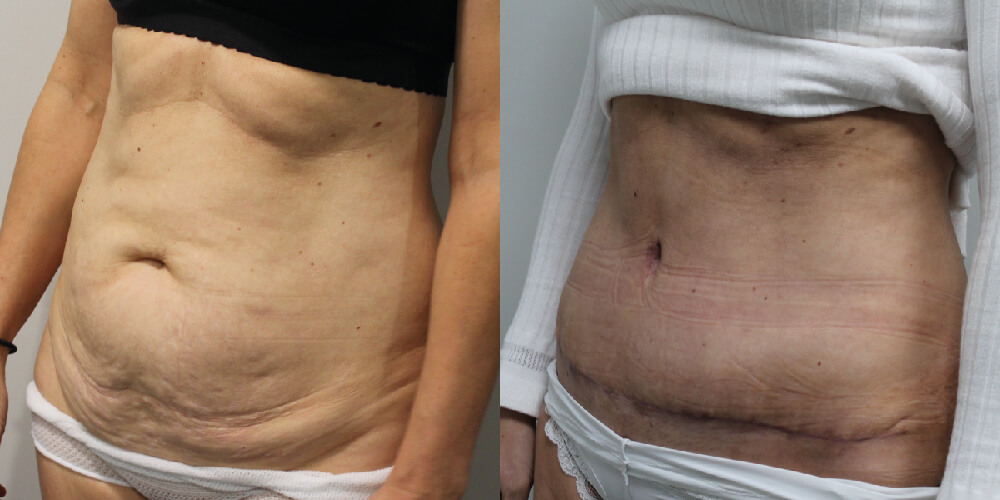
A tummy tuck removes excess skin and tightens underlying muscles. The scar is usually placed low enough to be hidden in underwear or swimwear.
Who It’s Best For
Patients with significant lower abdominal skin laxity, stretch marks, and weakened core muscles.
Recovery typically takes several weeks, with swelling gradually improving over months.
Arm Lift (Brachioplasty)
“Bingo wings” are a frequent concern following weight loss.
What It Treats
- Loose, hanging upper arm skin
- Skin irritation in folds
- Difficulty wearing fitted clothing
Surgical Approach
An incision is usually placed along the inner arm to remove excess skin and reshape the arm contour.
Scarring is a key discussion point during consultation, but most patients feel the trade-off is worthwhile for improved shape and comfort.
Thigh Lift
Inner thigh laxity can cause chafing, discomfort and self-consciousness.
What It Treats
- Sagging inner thigh skin
- Skin rubbing and irritation
- Loss of definition
Incisions are often hidden in the groin crease, although more extensive lifts may require longer scars.
Breast Lift (Mastopexy) With or Without Implants
Weight loss frequently results in:
- Loss of breast volume
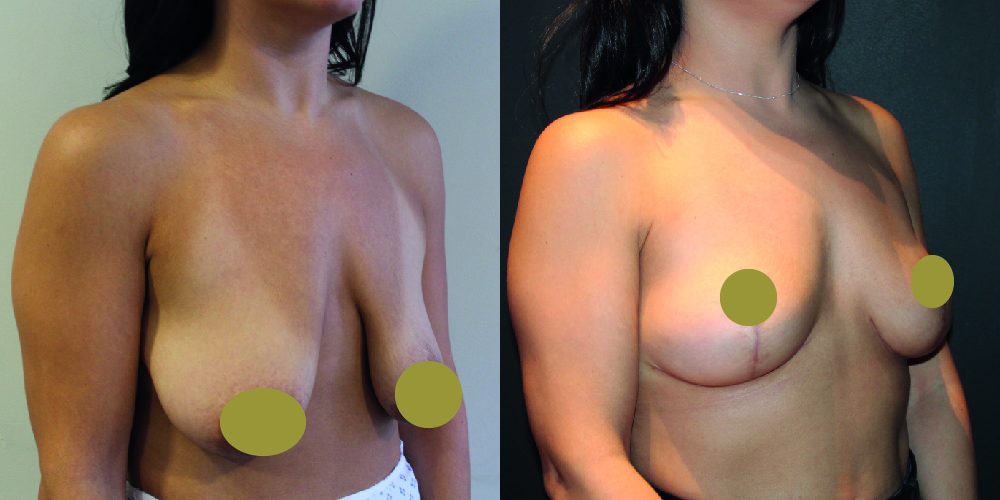
- Drooping (ptosis)
- Skin laxity
A breast lift reshapes and repositions the breast tissue. Some patients combine this with implants for restored fullness.
This can be particularly important for patients who feel deflated after major weight reduction.
Lower Body Lift
For patients who have lost a very large amount of weight, particularly after bariatric surgery, a lower body lift may be considered.
This addresses
- Abdomen
- Flanks
- Lower back
- Buttocks
It removes circumferential excess skin and improves overall contour.
This is a more extensive procedure and requires detailed planning and recovery commitment.
Can Procedures Be Combined?
Yes — but carefully.
Combining procedures can:
- Reduce total anaesthetic episodes
- Shorten overall recovery timeline
- Improve balanced results
However, safety comes first. Surgical duration, patient health, and tissue healing capacity must be assessed individually.
Risks and Considerations
Body contouring surgery is major surgery and must be approached responsibly.
Possible risks include:
- Bleeding
- Infection
- Seroma (fluid collection)
- Delayed wound healing
- Visible scarring
The General Medical Council emphasises the importance of informed consent and patient understanding of risks.
Proper aftercare, compression garments, and adherence to post-operative instructions significantly reduce complications.
What Results Can You Expect?
Patients often describe:
- Better clothing fit
- Improved confidence
- Greater comfort during movement
- Reduced skin irritation
Scars are permanent but typically fade over time. In most cases, patients feel the improvement in shape outweighs scar visibility.
Importantly, surgery does not replace healthy habits. Long-term weight stability is essential to maintain results.
Recovery Timeline Overview
First 2 Weeks
- Swelling and tightness
- Limited movement
- Compression garments required
Weeks 3–6
- Gradual return to normal activity
- Light exercise may resume
3–6 Months
- Swelling significantly reduced
- Final contours emerging
Full scar maturation can take up to a year.
Psychological Impact After Weight Loss
For many patients, loose skin can feel like the final barrier between them and full confidence.
Body contouring is not about vanity. It is often the last stage of a life-changing journey. Patients frequently say:
“I worked so hard to lose the weight, I wanted my body to reflect that achievement.”
A thorough consultation explores expectations, motivations and emotional readiness.
Is Body Contouring Right for You?
You may be a suitable candidate if:
- You have significant excess skin
- Your weight is stable
- You are in good general health
- You understand the trade-offs of scarring
Every plan should be bespoke. There is no one-size-fits-all approach.
Final Thoughts
Body contouring after weight loss can be transformative — physically and emotionally. The key is careful planning, realistic expectations and experienced surgical judgement.
Our focus is always on:
- Safety
- Proportion
- Long-term outcomes
- Personalised care
If you have achieved significant weight loss and are considering your next step, a detailed consultation will help you understand your options clearly and confidently.
FAQs
How do I know if I need body contouring after weight loss?
If you’ve lost a significant amount of weight and are left with loose, hanging skin that affects comfort (rashes, chafing), clothing fit, or confidence, you may be a candidate. A consultation is the best way to confirm whether the issue is mainly skin laxity, residual fat, or both.
When is the best time to have skin removal surgery after weight loss?
Most surgeons recommend you are weight-stable for at least 3–6 months (sometimes longer after bariatric surgery) before body contouring. This improves safety and helps protect your results.
What’s the difference between liposuction and body contouring surgery?
Liposuction removes fat but does not remove excess skin. If your main issue is loose skin, you usually need a skin excision procedure (e.g., tummy tuck, arm lift). Many patients benefit from a combination approach, but it depends on your anatomy.
What procedure is best for loose skin on the tummy after weight loss?
For most people, the gold standard is an abdominoplasty (tummy tuck). If there’s also muscle separation, a tummy tuck can tighten the abdominal wall too. In patients with circumferential laxity, a lower body lift may be more appropriate.
Can a tummy tuck fix an “apron” (overhang) of skin?
Yes. A tummy tuck is designed to remove excess lower abdominal skin, including an apron, and improve contour.
What are the best options for loose skin on the arms?
An arm lift (brachioplasty) is the most effective option when skin is the main issue. The trade-off is a scar along the inner arm, which usually fades over time.
What’s the best surgery for loose inner thigh skin?
An inner thigh lift can tighten and reshape the thighs. Scar placement varies depending on how much laxity you have (groin crease only vs. extended incision).
Can procedures be combined in one operation?
Sometimes, yes. Combining procedures can reduce total downtime, but safety comes first. The decision depends on your health, surgical time, and how much work is planned.
Will I have visible scars after post-weight loss body contouring?
Yes—scars are expected because skin is removed. The aim is to place scars where they’re as discreet as possible (low bikini line, inner arm, groin crease). Scar quality improves with time, good aftercare, and avoiding smoking.
What are the main risks of body contouring surgery?
Risks include bleeding, infection, fluid collections (seroma), delayed wound healing, and scarring. Your surgeon should explain your personal risk profile during consent.
How long is recovery after body contouring?
This varies by procedure. Many patients need 2–6 weeks before feeling more “normal,” and several months for swelling to fully settle. Scar maturation commonly takes up to 12 months.
Will my results last if my weight changes again?
Results are most durable when weight stays stable. Significant weight gain or loss can stretch tissues again and affect shape.